Start Planning Your European Adventure.
Are you dreaming of roaming historic streets, watching the sun dip into the ocean, or hiking through quiet Northern woods? Europe is a continent of contrasts, andwe’vegathered all the information you need on how to backpack through Europe. From what to bring and how to pack to our best budget-friendly tips, we provide the necessary information you need to kickstart your journey.
The Concept of Backpacking.
Backpacking is synonymous with freedom. Traveling with a backpack gives flexibility, which allows you to travel spontaneously and potentially take on an adventure without a concrete plan. While backpacking, you have the ability to change your mind mid-trip, allowing you to chase a sunset or explore a local recommendation without hesitation. It’s about being present in the moment and unburdened by commitments, instead you can grab your pack and go.
Europe as a Destination.
One of Europe’s greatest perks is its seamless infrastructure. You can have breakfast in Brussels, lunch in Paris, and dinner in Amsterdam via a high-speed rail system that often beats flying in both price and efficiency. Because the stations are usually in the heart of the city, you waste zero time on airport transfers.
Beyond the transit, the continent is essentially a living museum. History isn't just tucked away in galleries but is displayed on every street corner. You’ll find yourself walking on ancient cobblestones and grabbing a coffee next to Gothic cathedrals. In Europe, the scenic route is the only route.
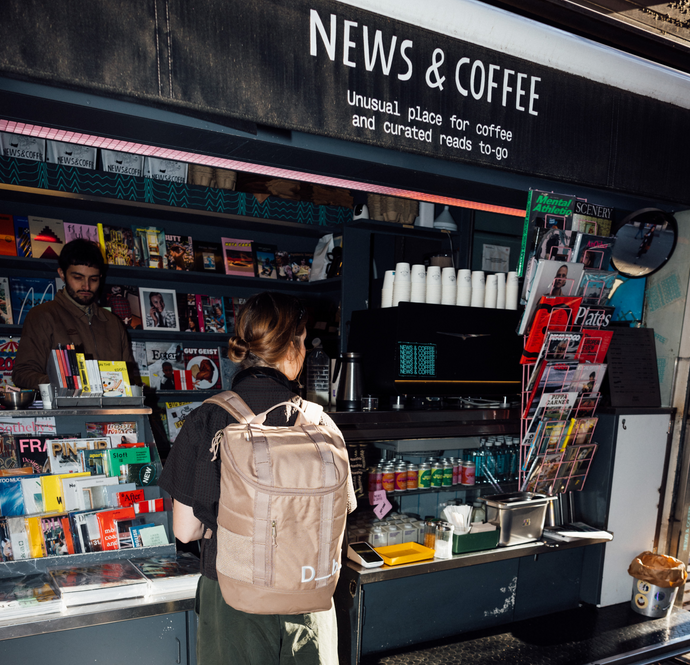
Tip: While admiring the historical charm of different countries, remember the 90-Day Rule. Most non-EU backpackers are limited to 90 days within a 180-day period across most of the continent. Ensure you track your days and plan your route carefully to avoid any visa hiccups at the border.
How to Choose the Right Backpack for Backpacking?
When choosing a backpack to use for backpacking, there are some key components to look for:
Prioritize a Lightweight Backpack.
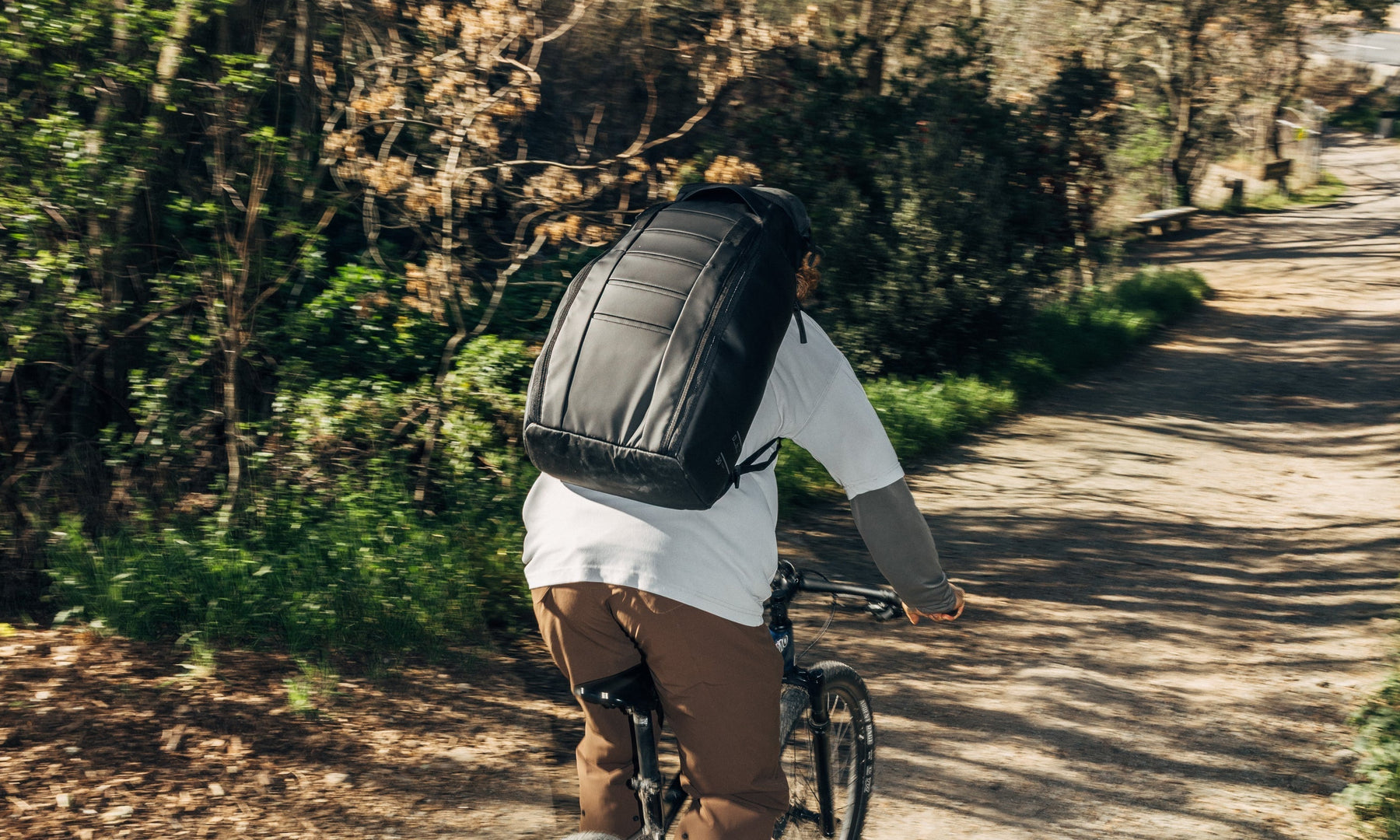
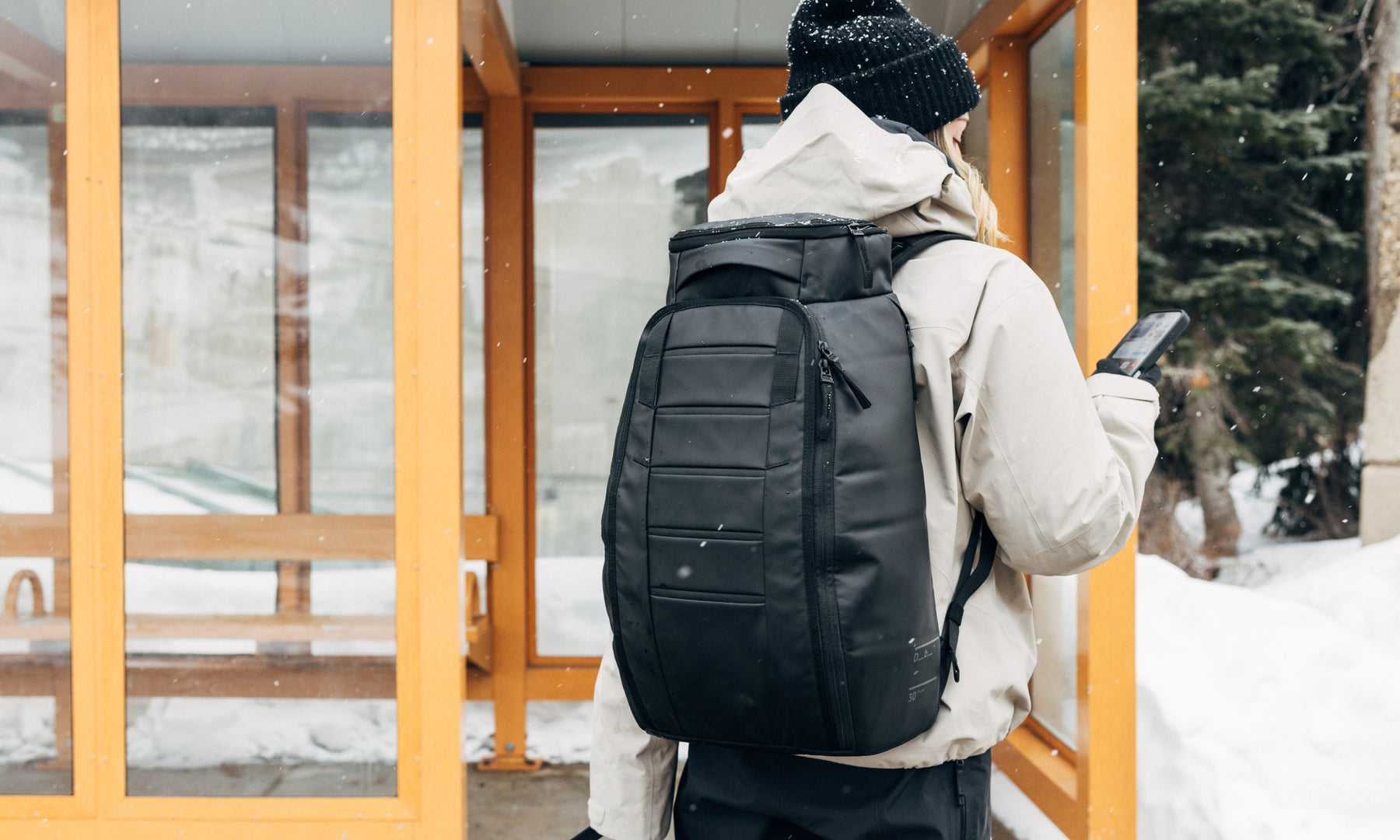
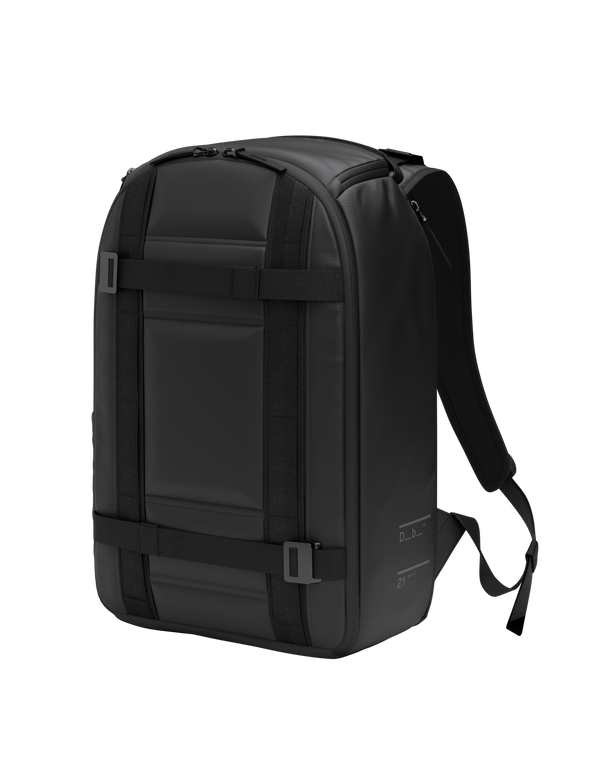
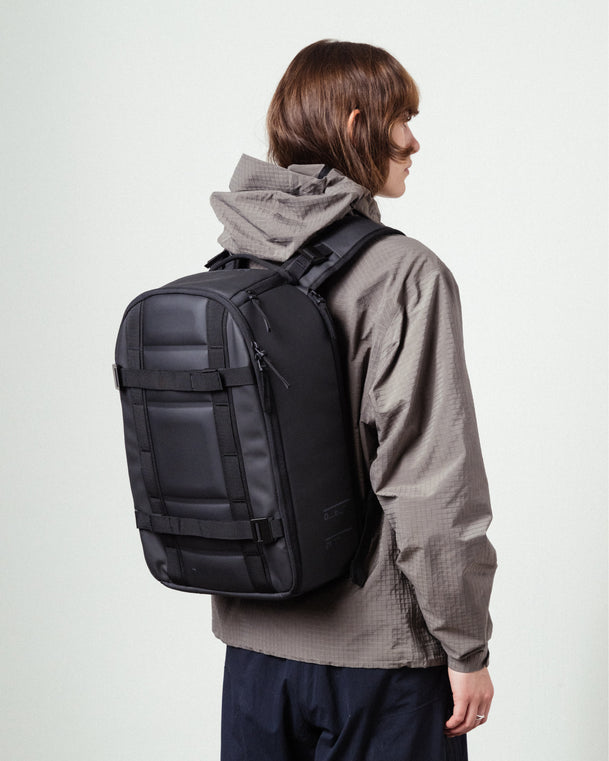
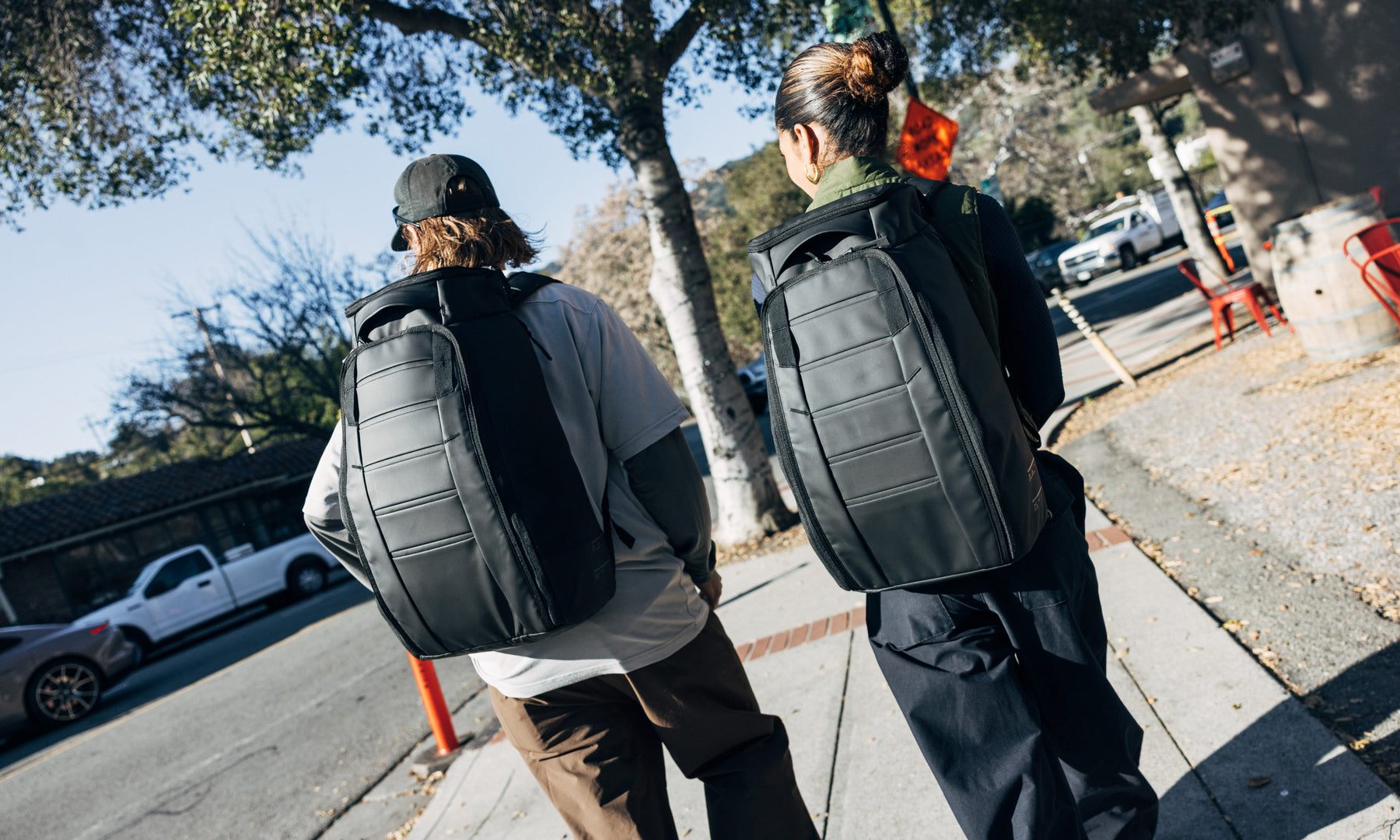
Traveling light should be your top priority when choosing a backpack for Europe – the continent of endless stairs and cobblestones. Whether you’re climbing Norwegian hilltops or navigating the narrow streets of Greece, your gear should never be a burden. Start with a backpack that has a low base weight so you aren't fighting the bag itself.
Make Sure the Backpack Qualifies as a Carry-On.
You don’t want to start off your trip with the unpleasant surprise of being forced to check your bag because it’s too large for the overhead compartment. Before committing to a pack, make sure you can bring your backpack on the plane by ensuring its dimensions align with the standard airline limit. Carry-on backpacks should typically comply with these dimensions: 22 x 14 x 9 inches. Weight restrictions are more variable, generally ranging from 15 to 22 lbs. While budget carriers rarely weigh every bag, staying within these bounds gives you peace of mind and saves you from unexpected fees at the gate.
Choose Accessibility.
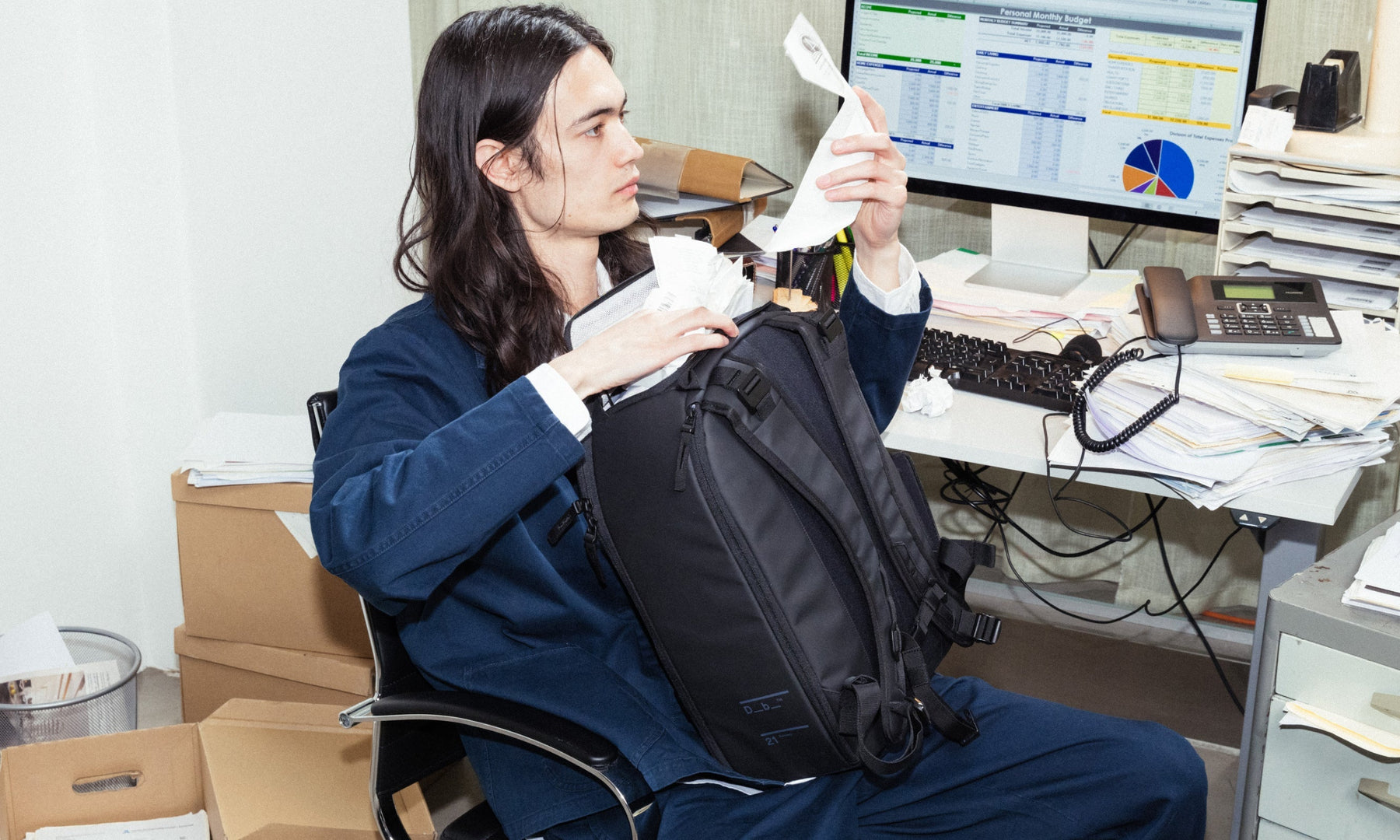
Look for a backpack with a full frontal opening for easy access and a clear overview of your gear. Since you won't have a closet to hang your clothes inmost of the time, your backpack essentially becomes your wardrobe. The open design allows you to find exactly what you need without having to drag every single item out.
Continue reading: Bringing your backpack on the plane
What to Bring for a Backpacking Trip Through Europe.
When preparing for your journey, the golden rule is simple: don’t overpack. Regardless of your trip’s length, choose your essentials wisely. You want a pack that moves with you, not a heavy load that slows you down. We have gathered the essentials that should be on your packing list.
Your European Backpacking Checklist.
- Passport
- Debit and/or credit card
- Healthcare, and other important documents
- Medicine, if needed
- Versatile clothes appropriate for the climate you travel to
- Toiletries
- Sunscreen
- Sunglasses
- Comfortable shoes for walking
- Electronics and chargers
How to Pack For Backpacking in Europe?
Wondering how to pack your backpack?The gear you choose is only half the solution, how you arrange your essentials is what truly saves space and sheds weight. By mastering a few strategic packing techniques, you can eliminate unnecessary bulk and ensure your load remains balanced and manageable. Don't just throw things in, make sure to pack with a system to maximize every inch of your bag.
Pack Like a Pro.
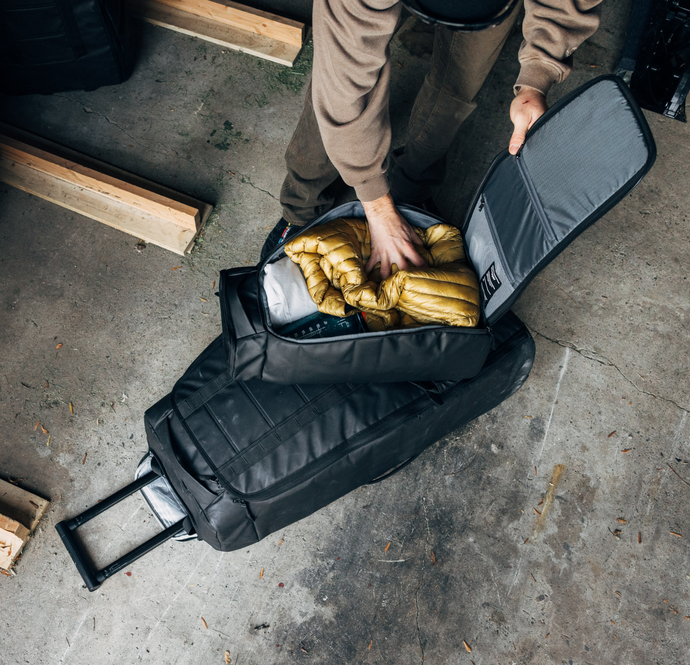
Packing cubes are a backpacker's best friend. While they may not save a massive amount of physical space, the organization they provide is invaluable. Being able to grab a single cube containing all your shirts, rather than digging through a chaotic pile, saves time and keeps your clothes looking fresh.
For the best results, start by rolling your clothes to minimize wrinkles and save space. Then categorize the clothing into different cubes. Place larger items at the bottom of your pack for stabilization, place your laptop along the back and fill any remaining gaps with smaller essentials. For maximum efficiency on the move, always keep your frequently used items near the top, and use internal pockets for wallet, keys and passports.
Pro tip: Make sure to bring a cube or bag dedicated to separating laundry from your other clothes.
Read more: How to pack a backpack
Three Tips for Budget Friendly Backpacking.
1. Choose Cheap Tickets.
When backpacking through Europe, smart choices are essential. By staying flexible and skipping checked bags, you can choose the cheaper tickets with a layover or two. Think of every flight, train, or bus as part of the adventure. In Europe, affordable transit is always within reach, whether you're crossing borders on scenic railways or hopping on the ferries taking you from one island to the next.
- Be strategic with your route: Flights with longer layovers or multiple stops are generally significantly cheaper than direct flights. To maximize your budget, fly into whichever destination offers the cheapest fare, then catch a train to reach your next stop.
- Must-have websites: Check out the websites Rome2Rio and Ferryhopper. These websites are invaluable for finding the most affordable tickets while backpacking through Europe.
2. Skip the Hotels.
We can all appreciate a nice hotel every now and then, but while backpacking, hostels are the only way to go. After all, who needs hotels when a hostel is the natural meeting point for any new friendship? If you aren't into sharing your space, an Airbnb can be a cheap alternative, but we definitely recommend cozying up in a hostel. Many offer same-day bookings allowing you to show up without a plan and stay for as long as you need.
- Prioritize hostels over hotels: Hostels are great for connecting with like-minded travelers at a good price.
- Volunteer for a free stay: Many hostels allow you to volunteer a few hours of help in exchange for free accommodation.
3. Travel Off Season.
Avoid visiting Europe in July for two main reasons: the heat and the crowds. July is often the hottest month on the continent, and in many regions, the temperatures can become truly insufferable. Also, since most Europeans take their own summer vacations in July and August, prices skyrocket and popular spots may become overcrowded.
To capture that perfect European summer feeling, aim for June or late August through early September. You’ll still enjoy plenty of sunshine, but the exasperating heat will have settled into a much more comfortable level.
- Avoid peak season: If possible, avoid July and August, as these are the hottest and most crowded months of the year. During this time, prices for accommodation and transport often skyrocket.
- The European summer: Depending on your destination, you can enjoy plenty of sunshine from April through late September. Plan your route to "chase the sun" if you want to maximize your time under the European sun.
Discover More European Adventures.
- Best beginner ski resorts in Europe
- Best ski resorts in Europe
- Best places to snowboard in Europe
To Sum It Up.
Backpacking Europe is the ultimate recipe for the adventure of a lifetime. To navigate historic streets and trains with ease, prioritize a lightweight, carry-on-sized, front-loading pack. Stay organized with packing cubes and keep your load manageable by packing only the essentials.
To stretch your budget, swap hotels for hostels, utilize scenic rail routes, and travel during June or September to avoid peak heat and prices. Ultimately, traveling light and staying flexible ensures your journey remains the highlight of the adventure.
Your Questions Answered.
How much does backpacking in Europe cost?
Backpacking in Europe varies depending on where in Europe you go, what you do and for how long. Your biggest expenses will be hostels, which spike during the summer, and regional transport. To keep costs down, prioritize street food, use rail passes, and travel during June or September to avoid the peak season.
Which part of Europe is the cheapest?
Eastern Europe is the most affordable part of the continent, especially when it comes to accommodation and food. The historic and scenic city of Riga, in Latvia, or beach-filled Bulgaria are great options on a budget.