
Nordic vs. Alpine: Find Your Rhythm.
Winter offers a landscape of choices. Whether you live for the adrenaline or seek a meditating journey in the snow filled forest, choosing the right winter sport can be a challenge. We have gathered the information on what the difference between the two are, what Nordic and alpine skiing actually consist of, and what gear you need.
What is The Difference Between Nordic Skiing and Alpine Skiing?
The fundamental difference between Nordic and alpine skiing lies in the binding and the pace. While alpine skiing is defined by fixed-heel bindings and high-speed descents, Nordic skiing is celebrated for its free-heel flexibility and the peace of the nature surrounding you.
Key Differences:
- Personal strength: While Nordic skiing requires stamina, alpine takes a lot of strength and the ability to react in time at a fast pace. Don't be afraid to either Nordic or Alpine skiing, as you will learn to build these skills over time.
- Gear: In Nordic skiing, the skis are thinner and lighter to allow for agility over long distances, and alpine skis are shorter and wider to cut through the snow. Unlike the alpine style, where the boots are locked into a fixed-heel binding for total control, the Nordic binding is free-heeled allowing you to glide with flexibility. Additionally, Nordic poles are longer to help you push across flat terrain, whereas alpine poles are shorter for balance support during steep descents.
- Accessibility: In terms of accessibility, the two styles offer different experiences. The Nordic style allows you to spontaneously step into your skis at your front door as long as there is enough snow. Alpine skiing, by contrast, typically requires a dedicated resort with ski lifts or, at the very least, a significant mountain slope to provide the necessary descent, demanding more preparation.
What is Nordic Skiing?
Nordic skiing is a common winter sport where skiers glide across snow-covered and often flat terrain using free-heel bindings. It includes recreational disciplines like cross-country skiing and Telemark skiing as well as competitive races. Unlike alpine skiing you have a free heel giving you flexibility to glide across the terrain. From idyllic treks through silent forests to the lung-burning intensity of Olympic cross-country racing, it’s skiing in its most ancient form.
Equipment Used For Nordic Skiing.
- Skis: Nordic skis are defined by their long, narrow, and lightweight profile. They fall into two distinct categories: Classic and skate skis, where the difference primarily lay in the grip underneath. As your pair must be tailored to your specific height and weight, you should always seek professional advice to ensure your skis are the right fit for you.
- Boots: Nordic boots are engineered for flexibility through the ankle. By being attached only at the toe, they allow the heel to lift freely, enabling the natural, rhythmic stride essential for gliding on the snow.
- Bindings: This is what connects your boot to your skis. Usually, bindings are matched and mounted in-store to ensure a seamless connection.
- Poles: Height matters. Your poles should sit at roughly 3/4 of your total height. They aren't just for balance – they are also your engine. Choose a lightweight set to maximize every push.
- Clothing: Start with a thin merino wool base layer for moisture management, then add breathable, wind-blocking outer layers. Prioritize flexibility. You’ll generate significant heat once you’re moving, so go for breathable, lightweight shells instead of heavy fabrics. Don’t forget thin gloves, a beanie, and a neck gaiter to protect you from the elements.
- Sunscreen: Don’t let the winter sun deceive you. The white landscape acts as a mirror and sunscreen is an essential piece of your kit. Apply it before you head out and keep a travel-sized stick in your pocket to reapply throughout the journey.
- Sunglasses: Whether it’s blocking the wind or the winter sun, a pair of performance sunglasses is essential. Protect your eyes so you can focus on the trail ahead.
- Fuel: If you're skiing for exercise, hydration is non-negotiable. If you’re out for a light tour, follow the Scandinavian tradition with an orange and a piece of chocolate in the sun. It really is the only way to finish off.
Going on a ski trip? Make sure to check out our Ski Bags
Techniques of Nordic Skiing.
Depending on the terrain – and how much you want to push your heart rate, you’ll find yourself choosing between two primary techniques: the classic stride or the skate glide.
The Classic Stride.
Moving within parallel groomed tracks, the classic technique is a rhythmic "kick and glide" motion which is the perfect choice for those seeking a meditative flow through deep forests or a steady, full-body burn.

The Skate Glide.
Skating with skis is like ice skating on snow. Performed on wide, flat-groomed lanes, this technique is more athletic and high-tempo. By pushing off the edge of the ski in a "V" shape, you gain significant speed and power. It’s the ultimate choice for the athlete looking for a mountain workout.
Tip: Mix between the two techniques for a change in speed and rhythm.
Pros And Cons of Nordic Skiing.
There are many pros and cons of all types of skiing. Something some people find challenging with Nordic skiing is that you need a lot of stamina to get you through the longer trails. Good news is you can always cut the trip short and turn around! The calmness and ability to look around at the beautiful scenery while trekking is definitely a pro of Nordic skiing.
Start your Nordic journey: Our Guide to Telemark Skiing
What is Alpine Skiing?
Alpine skiing, often called downhill skiing, is the adrenaline filled sport of high-speed descents with fixed-heel bindings. Rush down the maintained mountain slopes choosing your preferred grade of difficulty. Whether it’s a casual weekend at a resort using chairlifts to reach the peak or athletes shaving milliseconds off the clock in a professional slalom, it’s all about gravity and technique.
Equipment Used for Alpine Skiing.
- Skis: Alpine skis are wide and relatively short, especially compared to Nordic skis. It is recommended to ask for professional help at a shop when choosing the right alpine ski, as there are different types depending on your experience and what kind of terrain they are used on.
- Bindings: Unlike the free-heel Nordic setup, alpine bindings lock your boot firmly in place to the ski. The binding will release from your boots if you fall to prevent you from getting hurt as the alpine boots are stiff and sit on a larger part of the leg than the nordic ski boot.
- Boots: As mentioned above, alpine ski boots are made out of hard materials, sitting all the way up to your calves. While they are somewhat heavy, the boots allow you to maneuver at high speed with precise turns.
- Poles: Poles for alpine skiing are often made out of aluminium or carbon fiber which are both light weight materials. Get professional advice when purchasing ski poles to ensure you get the length you need.
- Helmet: On the alpine slopes, a helmet is non-negotiable. With higher speeds and at times unpredictable terrain, protection is your safety. A proper ski helmet should offer a precision fit – snug enough to stay secure during a fall, yet comfortable enough to wear all day.
Important: Leave your bicycle helmet at home. You should only use alpine ski helmets, as these meet the safety standards for the purpose.
- Goggles: At high speeds, both wind and snow can become distractions, making the descent dangerous. High-performance goggles are essential for shielding your eyes. To maintain your line in changing light, prioritize lenses with advanced anti-fog coatings and a wide field of view. Clear vision isn't just a comfort but a safety requirement.
- Clothing: Since the descent is gravity-led, your body won't generate the same constant heat as it does in Nordic skiing. Prioritize thermal insulation with padded, weather-blocked outerwear to stay warm during high-speed runs and the stillness of the chairlift.

Techniques of Alpine Skiing.
The essence of Alpine technique is speed control. By shifting your weight distribution and adding pressure through your skis, you decide the shape of your turns. To manage your pace, use short, rhythmic arcs to slow speed down, or transition into longer sweeping turns when you’re ready for gravity to take over.
Pros and Cons of Alpine Skiing.
The Pros: A Break Filled With Adrenaline.
Alpine resorts offer a rare escape from your everyday life, mixing the beauty of the mountaintops with the adrenaline rush. With chairlifts and maintained trails, you can focus purely on your activities.
The Cons: Skill Requirements.
Mastering the art of downhill skiing may take patience and persistence. Before you can tackle the steep slopes, you must put in the hours on the easier ones. It is a sport that demands respect for the learning curve before it rewards you with total freedom.
Curious to learn more about alpine skiing? Explore our Guide to Alpine Skiing.
The Key Differences Between Nordic Skiing and Alpine Skiing.

Steep Mountains vs. Open Landscapes.
The environment is perhaps the most distinct difference between the two sports. Alpine skiing is defined by the downhill slopes, requiring steep mountains and infrastructure of a resort to access the heights. Nordic skiing, however, is a sport of horizontal freedom. It doesn't require a mountain peak to be rewarding. A trail around a lake, a forest path, or even a snow-covered backyard offers an immediate opportunity to move.
Because of this, Nordic skiing is often celebrated for its accessibility, where given enough snow, your journey can literally begin at your front door. While one lifts you high up, the other lets you find adventure in the landscape right outside your window.
Difference in Equipment.
As Nordic ski gear is all about lightweight materials and flexibility, alpine gear is the heavy-duty version with wider skis and rigid, high-cuff boots. Even the poles reflect the difference in sport, where alpine poles are shorter for balance and timing, Nordic poles are significantly longer, serving as the essential leverage to power yourself across the landscape.
Techniques.
The physical demand of the mountain changes based on your choice of ski. While technique is important in both types, Nordic skiing is highly based on endurance and rhythm, requiring stamina since you are the engine. Alpine skiing, by contrast, is all about precision and reaction. While the ski lift helps you up, managing your way down demands focus and leg power.

How to Choose Your Adventure?
Deciding between Nordic and Alpine skiing isn't about which is "better" – it’s about what type of feeling you want the snow to give you. Whether you crave the high-speed thrill of the slopes or the rhythmic peace of a snow-filled forest, your choice ultimately depends on the rhythm you seek and the environment that attracts you the most.
Choosing Nordic Skiing.
If you’re looking for a meditative escape into silent forests, a high-output full-body workout, or the simplicity of starting an adventure from your own front door, Nordic is your style. It’s for the explorer who wants to be their own engine and find rhythm in the vast, open landscape.
Choosing Alpine Skiing.
If you’re drawn to the adrenaline rush, speed, and the structure of a mountain resort, alpine is your calling. It’s for those who want to master the art of gravity and precision.
The Hybrid Approach.
In the end, many adventurers refuse to choose at all. They recognize that the mountain offers different rewards on different days. You might keep a Nordic setup for a workout after work or a quiet local trek when you feel like it, while saving your alpine gear for the dedicated weekends and holidays spent chasing the slopes at a resort. By embracing both, you avoid choosing a technique – ensuring that no matter the terrain or the time frame, you feel the snow under your skis.
Make Your Ski Trip Seamless.
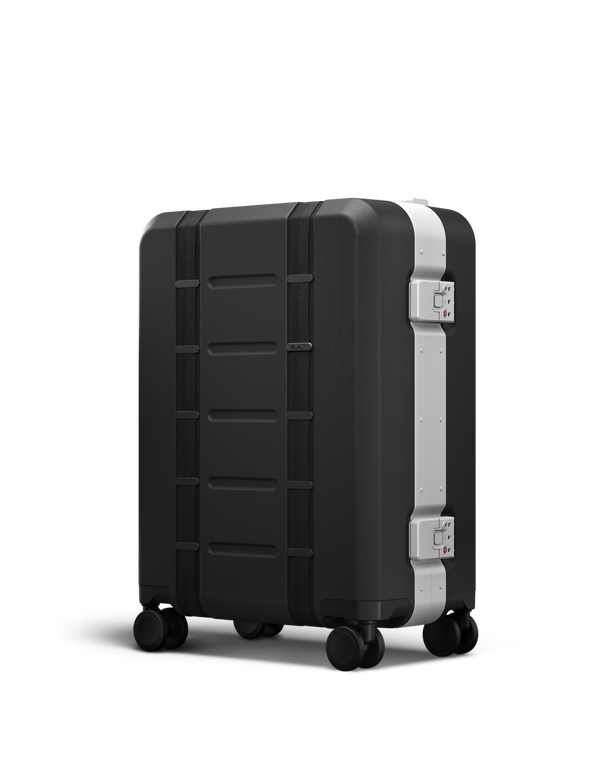
Headed to the mountains to test your alpine or Nordic ski skills? Don't let heavy gear weigh you down. We’ve curated a selection of durable Ski Travel Bags, and versatile Ski Backpacks, designed to keep your equipment organized and easy to carry, whether you go by bus, train or air.
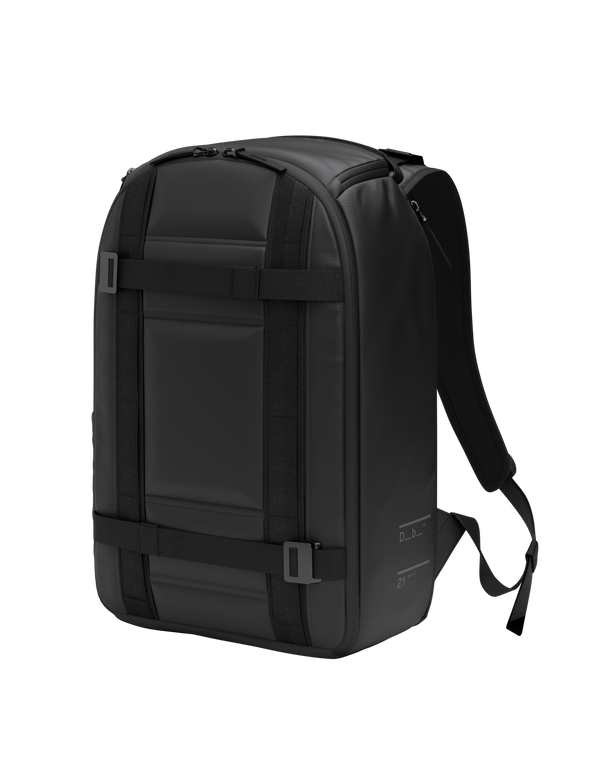
For your other essentials, choose one of our backpacks with the Hook-Up System™ allowing you to attach your bags into one unit for a more seamless travel experience. To stay organized to the max, pack your heavier items along the back of the backpack while utilizing the organization pockets for smaller items.
Get more tips here: Packing list and how to pack your gear for a ski trip.
To Sum it Up.
- Definition of Nordic skiing: Nordic skiing is a winter sport where skiers glide across snow-covered and often flat terrain using free-heel bindings. The sport includes recreational disciplines like cross-country skiing and Telemark skiing as well as competitive races.
- Definition of alpine skiing: Alpine skiing, often called downhill skiing, is the adrenaline filled sport of high-speed descents with fixed-heel bindings most commonly executed in ski resorts with ski lifts bringing the skier up the slope.
- Key Differences: While Nordic skiing can offer spontaneous, free-heeled trail gliding from your front door, alpine skiing is a destination sport requiring fixed-heel gear and resort infrastructure for high-speed descents. Both disciplines build unique physical strength over time, utilizing specialized skis and pole lengths tailored for either endurance across flat terrain or control on steep slopes.
Your Questions Answered.
What is Nordic vs. Alpine skiing?
In short, Nordic skiing is a sport utilizing free-heel bindings that allow you to stride across flat landscapes and rolling hills using your own power as the engine. In contrast, Alpine skiing is a downhill sport where boots are locked firmly to the skis to provide the rigid control needed for high-velocity turns down steep mountain slopes.
How fast do downhill skiers ski?
The world record for professional speed skiing is an astonishing 158.76mph (255.5 km/h),set by Simon Billy in 2023. For the rest of us, speed is a matter of choice. Depending on the steepness of the slope and how you choose to cruise, you can go at a meditative pace or push your limits as you gain confidence.