
What Does Luggage Mean?
The definition of luggage is something that can be “lugged”,meaning it can be dragged or pulled. As the definition implies, luggage is designed to hold your essentials in a case or bag equipped with wheels and a handle.
Different Features Of Luggage.
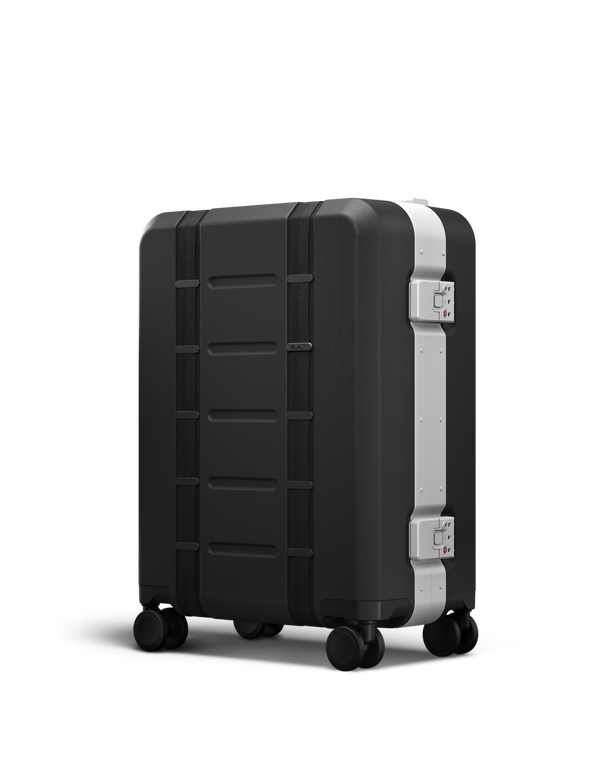
There are many different type sof luggage. You can choose between a hard-shell luggage, or a soft-sided option. The size and volume determine whether it is checked luggage or a carry-on, and the type of material used will affect both the empty weight and the level of protection. Different types of luggage also have specific characteristics and features. In other words, there are many components that make every piece of luggage unique.
Luggage Sizes.
Luggage sizes often vary, and the volume does not always correlate with the actual dimensions of the bag. Therefore, it is important to check the overall measurements against airline restrictions to make sure your bag is compatible with the cargo hold or overhead bins. When measuring your luggage, make sure to include handles and wheels.
Want tips on how to measure your luggage? Check out our guide in: How to choose luggage.
What Are the Sizes of Luggage?
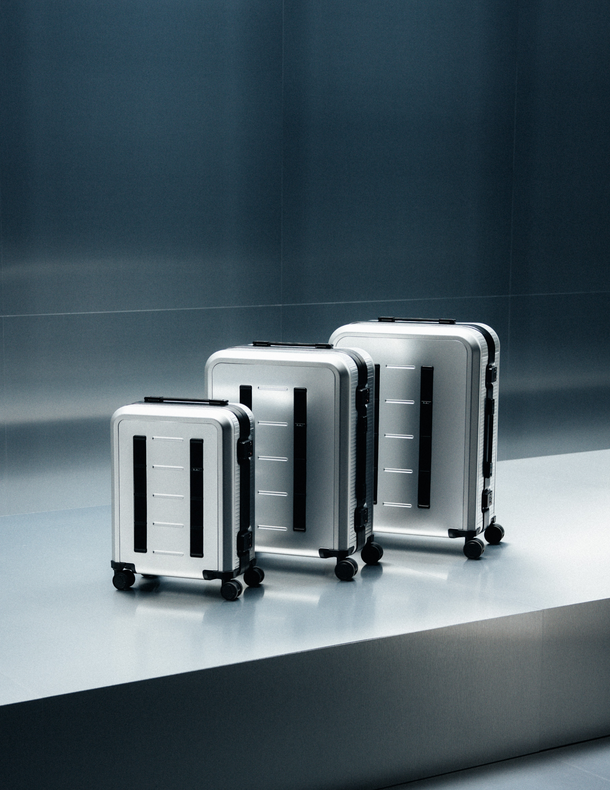
There are three main categories of luggage sizes that offer a range in both dimensions and volumes.
Small Luggage.
The dimensions of small luggage are normally 22 x 14 x 9 inches (56 x 36 x 23 cm), with a volume of 30-40 L. Small luggage is a great option for a carry-on, and is compatible with most airline restrictions.
Medium Luggage.
For medium luggage, the measurements are approximately 24 x 17 x 10 inches (61 cm x 43 cm x 25 cm), with a volume of 60-70 L. Medium luggage is a great option for solo trips or week-long getaways.
Large Luggage.
Large luggage most often has a capacity of 90-105 liters, with dimensions around 27 x 19 x 11 inches (70 cm x 50 cm x 30 cm). This size is perfect for family adventures or longer trips.
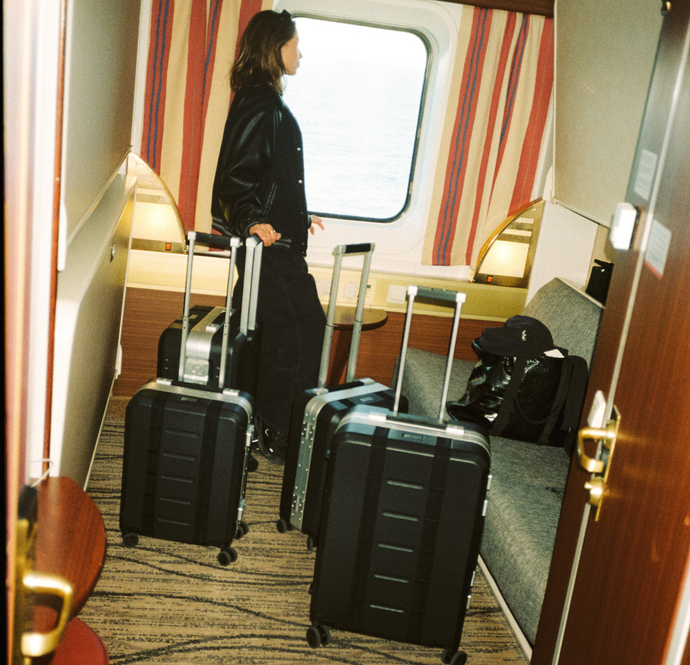
The Size Of Your Luggage Determines Where It's Placed.
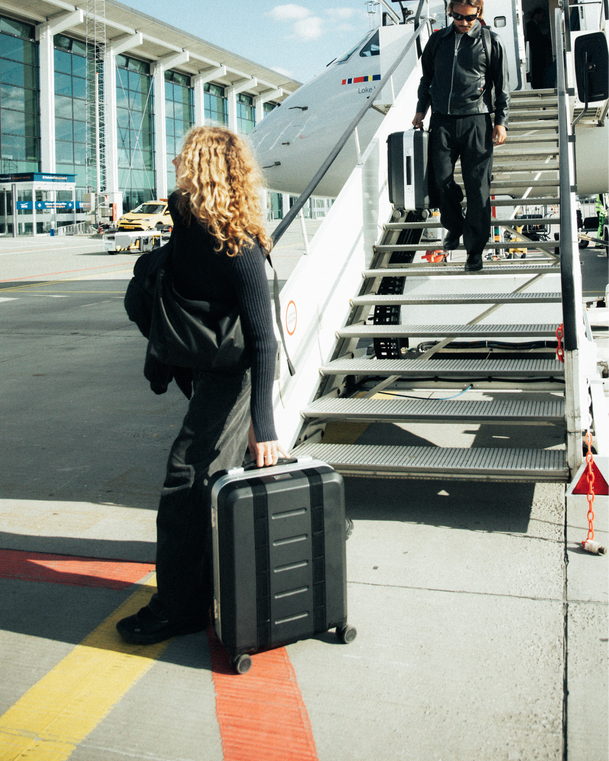
The size defines where your luggage is stored while travelling. While small luggage is mostly used as a carry-on, you can still choose to check it in. However, it is often more efficient to keep it in the overhead compartment when possible, as it stays close to you during your flight, and you can skip past baggage claim upon arrival. For medium to large luggage, the standard option is to send it through check-in. This also gives you the freedom to pack more and bring essentials not suitable for the overhead bin, such as larger liquid items.
Explore: How big can a carry-on suitcase be?
Luggage Weight.
Every airline has its own set of rules that can vary depending on your type of ticket. Since a few extra pounds can lead to fees at the check-in counter, understanding these weight standards is the best way to avoid stressful and expensive surprises.
How Much Can Luggage Weigh?
Most airlines have a 50 lb (23kg) restriction for checked luggage. For carry-ons, the weight limit usually varies between 15-26 lbs (7-12kg). This varies depending on the type of ticket you bought. For example, flying business class sometimes allows you to check a heavier bag than flying economy. Make sure you double-check which limit applies to while packing.
Explore: How to pack your luggage for travel.
Why Are There Weight Limits?
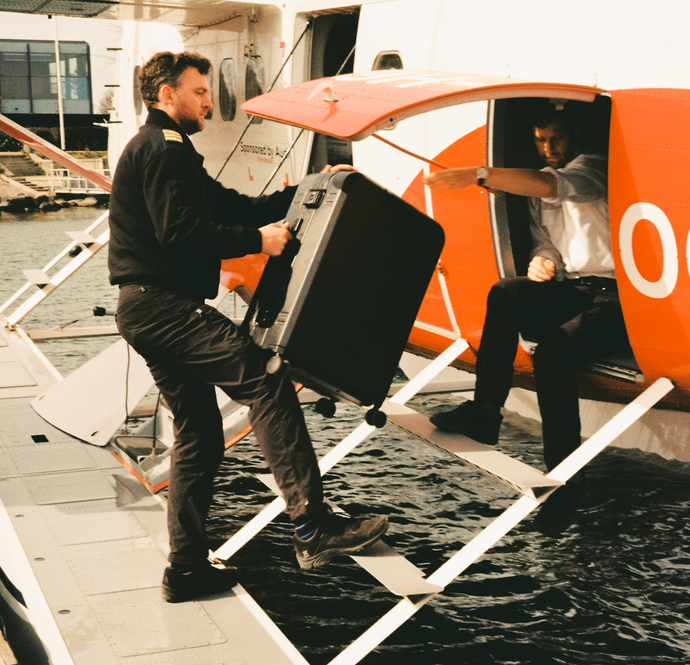
It is a common misconception that weight limits exist solely to ensure the plane is not exceeding its weight limits. In reality, it’s about precision and safety. By knowing the exact weight of the cargo, ground crews can strategically distribute bags to ensure the aircraft is perfectly balanced for takeoff and landing. This information also allows pilots to calculate exactly how much fuel is needed for the journey.
Another important reason for weight limitations is to protect the people behind the scenes. If a bag exceeds 70 lbs (32 kg), many airlines will refuse it entirely to prevent injury to the ground crew. For bags that are heavy but still within the limit, staff will often attach a tag marking it as “heavy” as a heads-up to anyone lifting it on your journey.
Get More Tips:
- How to travel with only a carry-on?
- How to stop overpacking?
- Is hard or soft luggage better?
Your Questions Answered.
What is the weight limit for airplane luggage?
The weight limit depends on the type of ticket you bought. It can vary between domestic and international flights, but the general rules are:
- Economy class: 50 lbs (23 kg) per bag.
- Business / first class: 70 lbs (32 kg) per bag.
- Budget airlines: May have lower weight limits, such as 40 lbs (18 kg).
What is the weight limit for carry-on luggage?
This varies by airlines, but there are some general rules. Many airlines don't have weight limits for carry-ons as long as the bag is small enough to fit in the overhead compartments, generally around 22 x 14 x 9 inches. Some airlines have a weight limit between 15 and 22 lbs (7-10 kg).
What is hand luggage?
Hand luggage (also called carry-on), is the luggage you take with you into the cabin. You store it either in the overhead compartment or, if small enough, under the seat in front of you. This is different from checked luggage, which you hand over at the check-in counter to be stored in the cargo hold during your flight.