


Best Ski Resorts in Japan: 10 Resorts Worth the Flight.

Niseko is the best ski resort in Japan for powder and night skiing. Hakuba wins if you want big mountains just a train ride from Tokyo. Rusutsu has the best trees and Nozawa Onsen the best hot springs. Shiga Kogen is the biggest, while Furano and Kiroro get buried in Hokkaido snow. Seven of these ten resorts also work with the Epic or Ikon Pass.
Ask any skier about their dream trip and Japan comes up fast. Light snow. Trees made for skiing. A hot bath after the last run.
I've sorted the resorts by what they do best. Each one comes with the island, the transfer and whether your pass works there.
Japan's Top Ski Resorts Compared.
|
Resort |
Best For |
Island |
Getting There |
US Pass |
|
Niseko United |
Powder, night skiing |
Hokkaido |
About 2.5 to 3 h by bus from New Chitose |
Ikon |
|
Rusutsu |
Tree runs |
Hokkaido |
About 2 h by shuttle from New Chitose |
Epic |
|
Hakuba Valley |
Big mountains near Tokyo |
Honshu |
From about 3 h from Tokyo by train and bus |
Epic |
|
Furano |
Dry powder, value |
Hokkaido |
About 1 h by bus from Asahikawa |
Ikon |
|
Nozawa Onsen |
Hot springs, village life |
Honshu |
About 2 h from Tokyo by train and bus |
None |
|
Shiga Kogen |
Size, long season |
Honshu |
About 1.5 h to Nagano, then a bus |
Ikon |
|
Myoko |
Deep snow, quiet slopes |
Honshu |
About 1.75 h by train to Joetsumyoko |
Ikon (Suginohara) |
|
Kiroro |
Snowfall |
Hokkaido |
Train to Otaru, then bus or taxi |
None |
|
Zao Onsen |
Snow monsters |
Honshu |
About 3 h from Tokyo by train and bus |
Ikon |
|
Tomamu |
Families |
Hokkaido |
About 1.5 h by car from New Chitose |
None |
New Chitose is Sapporo's airport. Snowstorms slow the roads in Hokkaido, so build some slack into transfer days.
The Best Ski Resorts in Japan, Ranked.
1. Niseko United. Best for Powder.
Size: four linked resorts. Grand Hirafu alone has 22 courses.
Getting there: about 2.5 to 3 hours by bus from New Chitose Airport.
US pass: Ikon.
Niseko is the name everyone knows, and the snow explains why. Japan's tourism board puts the snowfall at around 15 meters a year. That's about 590 inches. The four resorts share one mountain and one lift ticket.
When the sun goes down the lights come on. All four resorts run night skiing, and Niseko calls it the largest night skiing area in Japan. Powder under floodlights is something I'd fly a long way for.
On his bucket list Japow trip to Niseko, Lasse got about 40 cm of new snow a night. His advice still stands. Book dinners and rental gear before you leave. Bring avalanche gear. And hire a guide if you want to ski outside the gates.
2. Rusutsu. Best for Tree Runs.
Size: 37 runs across three mountains.
Getting there: about 2 hours by resort shuttle from New Chitose Airport.
US pass: Epic.
Rusutsu gets the same Hokkaido snow as Niseko with smaller crowds. The trees are the reason to go. West, East and Isola mountains all have open glades between the groomers. On a storm day you can lap them until your legs give up.
The resort is one big complex with hotels, restaurants and the lifts in the same place. Not much nightlife. More skiing.
3. Hakuba Valley. Best Near Tokyo.
Size: 10 resorts and 131 runs on one valley ticket.
Getting there: as little as 2 hours 50 minutes from Tokyo. Shinkansen to Nagano, then the bus.
US pass: Epic.
Hakuba is big, steep skiing with the Northern Alps as a backdrop. Happo-one hosted the men's and women's downhill at the 1998 Nagano Olympics. The valley ticket covers all 10 resorts, so you can ski somewhere new every day.
It's also the easiest powder trip from Tokyo. I like that you can add a few days in the city on either side without another flight.
4. Furano. Best for Dry Powder and Value.
Size: 41 trails.
Getting there: about 1 hour by bus from Asahikawa Airport.
US pass: Ikon.
Furano sits inland in the middle of Hokkaido. That means colder air and drier snow than the coast. Lift tickets are fair and kids of elementary school age and younger ski free. It's on our list of snow resorts with the cheapest lift tickets that are actually good for a reason.
The town is a real farming town. Good ramen. Quiet evenings.
5. Nozawa Onsen. Best for Hot Springs.
Size: 44 trails and 31 miles (50 km).
Getting there: Shinkansen from Tokyo to Iiyama in about 1 hour 40 minutes, then a 25-minute bus.
US pass: none.
Nozawa Onsen has been a ski village since 1912. It still feels like one. The village has 13 free public baths. After a day in deep snow, a hot bath down the street is hard to beat.
Go in mid-January if you can. The Dosojin fire festival peaks on January 15. It's loud, hot and unlike anything you'll see at a ski resort back home.
6. Shiga Kogen. Best for Size.
Size: 18 areas on one shared ticket.
Getting there: about 1 hour 20 minutes by Shinkansen from Tokyo to Nagano, then a bus up the mountain.
US pass: Ikon.
Shiga Kogen is the largest ski area in Japan and the highest, with a top elevation of 7,569 feet (2,307 m). Altitude keeps the snow good late. The season runs from mid-November to the end of May.
The areas are spread out, so plan your day by zone. It also hosted events at the 1998 Olympics.
7. Myoko. Best for Deep Snow and Quiet Slopes.
Size: several resorts around Mount Myoko. Suginohara alone has 16 trails.
Getting there: about 1 hour 45 minutes by train from Tokyo to Joetsumyoko, then a local connection.
US pass: Ikon, at Suginohara only.
Myoko gets buried every winter and still flies under the radar. Akakura Onsen is the classic base, with hot springs and old inns. Suginohara has one of the longest runs in Japan at 5.3 miles (8.5 km).
If Hakuba feels too busy, this is where I'd go.
8. Kiroro. Best for Snowfall.
Size: 23 runs. The longest is 2.5 miles (4,050 m).
Getting there: train to Otaru, then the Kiroro bus or about 40 minutes by taxi.
US pass: none.
Kiroro says it averages 21 meters of snow a year. That's an absurd number, and on a good week it feels true. The resort is compact and quiet.
Come for the snow. Bring a book for the evenings.
9. Zao Onsen. Best for Snow Monsters.
Size: 25 trails.
Getting there: about 2.5 hours by Yamagata Shinkansen from Tokyo, then a 40-minute bus.
US pass: Ikon.
Zao is famous for its juhyo, or snow monsters. They're trees covered in thick rime ice until they look like frozen giants. They're at their biggest from mid-February to mid-March. A ropeway takes you up to see them.
Most of the terrain suits beginners and intermediates. The hot spring town at the bottom smells of sulfur in the best way.
10. Tomamu. Best for Families.
Size: 29 courses.
Getting there: about 1.5 hours by car from New Chitose Airport.
US pass: none.
Hoshino Resorts Tomamu is built for families. There's a kids' area on the mountain, an indoor wave pool and an Ice Village from late December to early March. Parents get an expert-only powder zone and cat skiing tours.

Hokkaido or Honshu?
Hokkaido is the northern island. It's colder, and the snow is drier and lighter. Niseko, Rusutsu, Furano, Kiroro and Tomamu are all there. You fly into New Chitose Airport near Sapporo.
Honshu is the main island with Tokyo. The Nagano and Niigata resorts still get huge amounts of snow. Hakuba, Nozawa Onsen, Shiga Kogen and Myoko are a train ride from Tokyo. That makes it easy to combine skiing with the city.
My take: first trip and powder is the goal, go to Hokkaido. Want Tokyo too, go to Nagano.
Using Your Epic or Ikon Pass in Japan.
Ikon has the bigger footprint in Japan. Ten resorts are on it for 2026/27: Niseko United, Furano, Shiga Kogen, Myoko Suginohara, Zao Onsen, Arai, Madarao, Appi, Nekoma and Mt.T. The full Ikon Pass gives you up to seven days at each of them. Ikon Base gives you five.
Epic covers two big names. Hakuba Valley and Rusutsu each give Epic holders five consecutive days.
With a pass you could split one trip between Hokkaido and Nagano without buying a single lift ticket. Pass terms can shift from one winter to the next, so confirm on the Ikon and Epic websites first.
Getting Your Skis to the Mountain.
Japan has a trick most countries don't. You can ship your skis from the airport to your hotel.
By courier. Yamato's ski delivery service has counters at Narita, Haneda and New Chitose airports. Drop your ski bag at the counter when you land, spend a day or two in Tokyo or Sapporo and it's waiting at your hotel. Allow at least two days, three for some areas. A ski bag from Tokyo to the Nagano or Niigata resorts costs ¥3,680 (about $23). To Hokkaido it's ¥5,220 (about $33). Each bag can weigh up to 30 kg.
By train. Trains to the Nagano and Niigata resorts have limited luggage space. Board early and keep your bag close. On the Tokaido Shinkansen to Kyoto and Osaka, large bags need a seat with an oversized baggage area. JR Central says sports equipment is exempt.
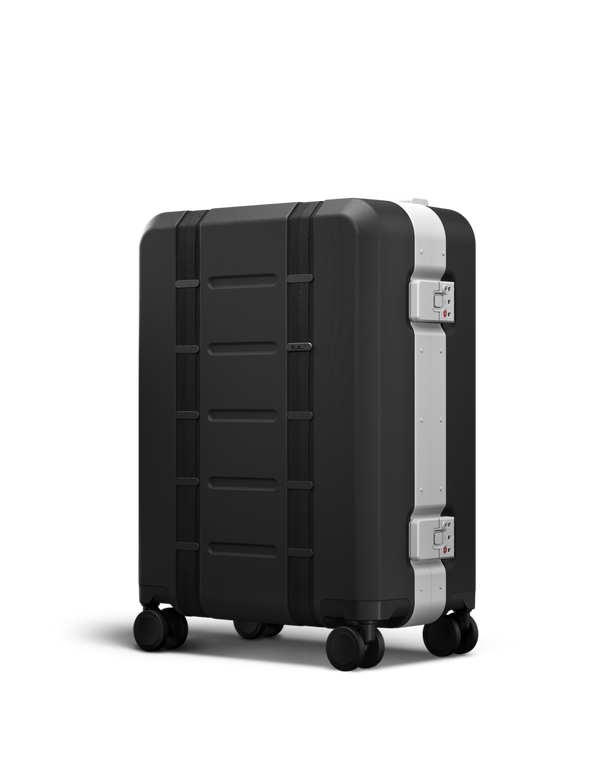
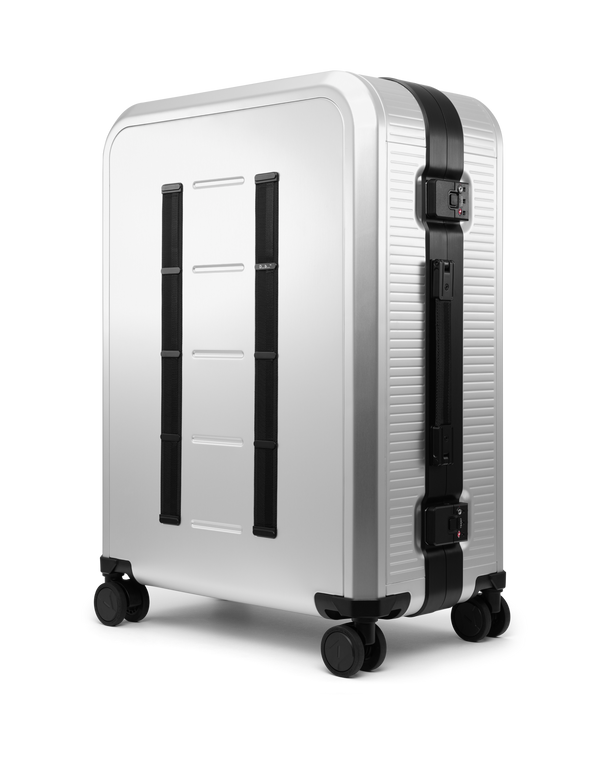
Courier counters, station stairs and hotel lobbies all go smoother with one rolling bag. That's why I pack skis, boots and outerwear together in our Snow Roller Pro 127L. If you ride or travel lighter, browse the rest of our ski travel bags.

When to Ski in Japan.
Japan's season runs from December to April. Hokkaido often opens in late November, and a few resorts keep the lifts turning into May.
For powder, go in January or February. That's when the storms off the Sea of Japan are most reliable. Avoid the Christmas and New Year holidays and early February if you don't like lift lines.
For sun and value, go in March. The snow gets heavier, but big storms still roll through and lift tickets drop. April is for spring laps at the high resorts like Shiga Kogen.
What a Ski Trip to Japan Costs.
The flight is the expensive part. Once you land, Japan is good value next to the big US resorts. Peak-season adult day tickets for 2026/27, with dollars at about ¥158 to $1:
-
Niseko United: ¥13,500 (about $86) for the All Mountain ticket.
-
Rusutsu: ¥16,700 (about $106), or ¥13,200 (about $84) online.
-
Hakuba Valley: ¥11,100 (about $70) for the valley ticket.
-
Furano: ¥9,000 (about $57).
-
Nozawa Onsen: ¥7,800 (about $49).
My money savers are simple. Buy tickets online where it's cheaper, like at Rusutsu. Go in early December or late March, when prices drop. And eat like a local. A bowl of ramen or a convenience store lunch costs a fraction of a resort meal.

Japan Is Worth the Long Flight.
It's a long way to go for a ski trip. One storm day in a Hokkaido birch forest and you'll stop counting the hours. Choose by snow, by onsen or by how close you want to be to Tokyo, then book the hotel early. The best places fill up months ahead.
Frequently Asked Questions.
What Is the Best Ski Resort in Japan?
Niseko United in Hokkaido is the best ski resort in Japan for most skiers. It gets around 15 meters of snow a year, links four resorts on one lift ticket and offers night skiing. Rusutsu and Myoko are quieter alternatives with similar deep snow.
Which Ski Resort in Japan Is Best for Beginners?
Furano in Hokkaido and Zao Onsen in Yamagata are good choices for beginners, with plenty of gentle, groomed terrain. Tomamu in Hokkaido suits families, with a kids' area on the mountain and activities off the slopes.
Can I Use My Epic or Ikon Pass in Japan?
Yes. For the 2026/27 season, the Ikon Pass covers ten Japanese resorts, including Niseko United, Furano and Shiga Kogen. The Epic Pass covers Hakuba Valley and Rusutsu, with five consecutive days at each.
Is Hokkaido or Nagano Better for Skiing?
Hokkaido has colder, drier and lighter powder. Nagano, on Japan's main island, has bigger mountains and is about two to three hours from Tokyo by train and bus. Both regions get more snow than most ski areas in the US.
When Is the Best Time to Ski in Japan?
The best time to ski in Japan is January and February, when snowfall is most consistent. Mid-January is often a good balance, after the New Year holidays and before the early February crowds.