Skiing in Canada. Setting the Scene.
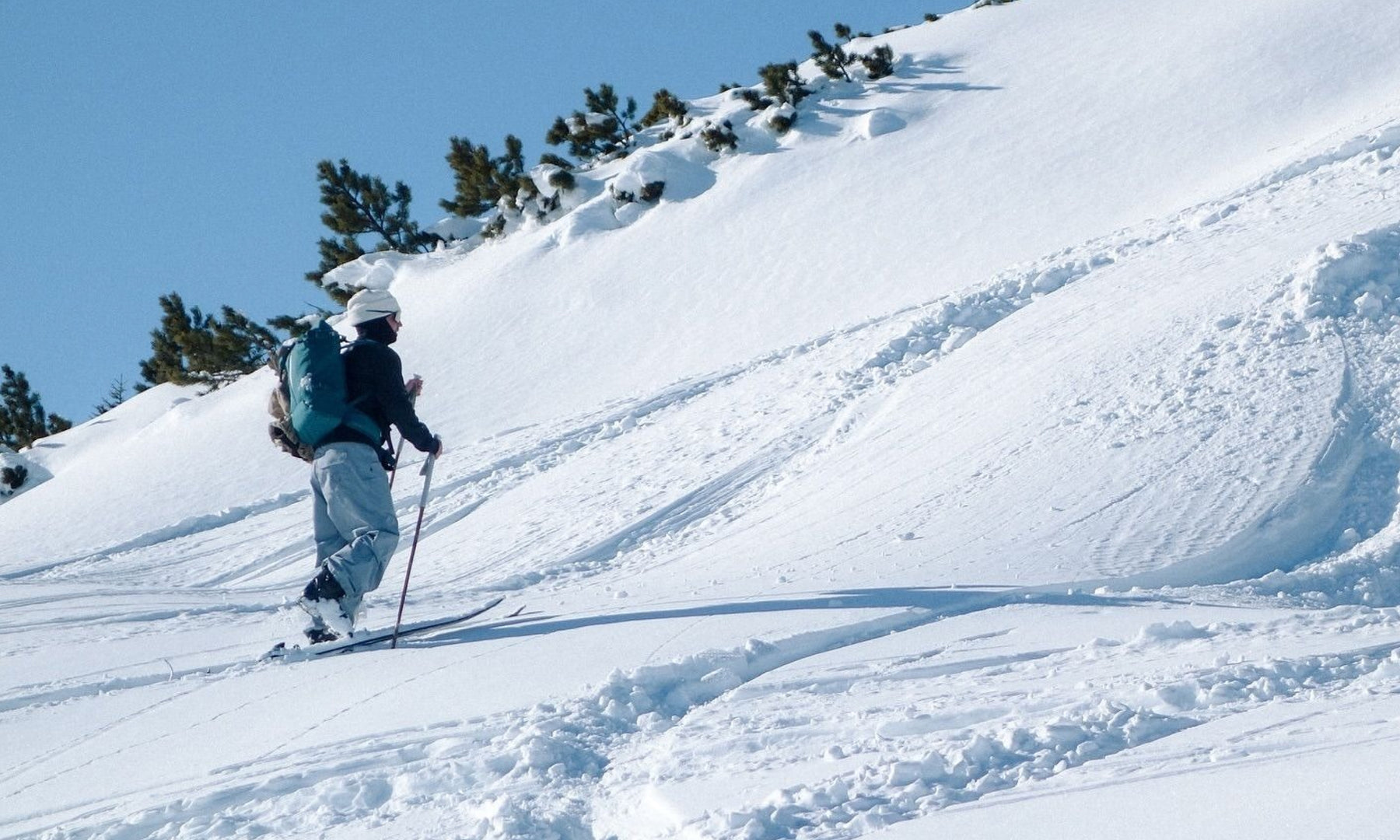
While the European Alps are famous and the U.S. state of Colorado boasts premium resorts, Canadian ski spots have soul. Beyond the friendliness of the people and the country’s legendary hospitality, Canada is a haven for ski enthusiasts looking for powder snow, rugged nature, and charming ski villages.
Located in the heart of North America, Canada offers some of the largest ski resorts of the region. In British Columbia and Alberta, you can experience substantial peaks and beautiful runs, while frozen, European-style villages are spread across Quebec.
Why choose Canada instead of staying in the States?
The pragmatic answer: Access to world-class ski runs is much more affordable. The idealistic answer: You gain access to a rugged, authentic ski atmosphere that offers a different kind of joy you’ll experience when skiing in Colorado or in another U.S. state.
Why go to Canada over Europe?
Easy transfers, no language barrier, and the famous Canadian kindness. Whether you’re hunting for powder snow or seeking high-altitude après-ski opportunities, Canada remains the benchmark for adventurous ski journeys.
Before Going to a Canadian Ski Resort, This is What You Should Know.
Which is the best month to ski in Canada?
The best month to ski in Canada is in January. By this point, the ski season has fully kicked off and the snow potential is at its peak. You get the most premium quality and the most optimal quantity – no matter if you’re traveling East or West.
That being said, the winter season at Canadian ski resorts begins as early as November, so you can definitely hit up the slopes for some great runs before the New Year. The ski season typically ends in April.
Difficulty levels at ski resorts in Canada.
If you’re familiar with the European and American standards for color-coding runs based on the difficulty level, you can easily translate those to the difficulty levels at Canadian ski resorts as well.
Costs.
Skiing in Canada is generally affordable, though some resorts are more premium than others. Your choice of destination will be the deciding factor for your budget, particularly regarding dining and après-ski options.
Lodging and accommodations are available for every budget bracket, but the lift tickets vary by resort. For a one-day lift ticket, prices range from $120 to $300 if you buy on-site. To get the most bang for your buck, do as the locals do: Buy your tickets online as early as possible for the best rates.
The Best Skiing Locations in Canada.
Most of the ski resorts we recommend are located in British Columbia and the Western part of the country. Many of them are clustered within a few hours of Vancouver, making them easy to access from this major transport hub. There are also must-visit spots in Alberta, which are also easily reached from Calgary.
List of Ski Resorts in Canada We Recommend.
Banff Sunshine, Alberta.
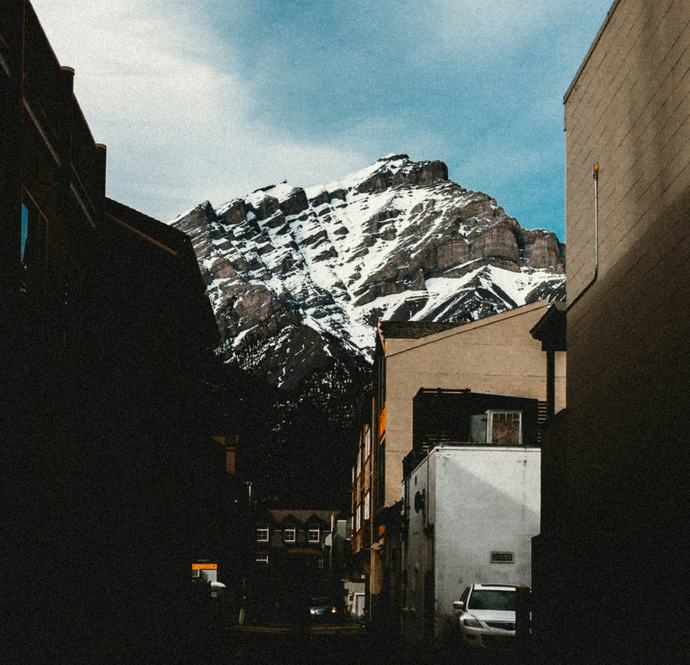
Base elevation: 5,446 feet
Annual snowfall: 233 inches
Ski level: 19% beginner, 26% intermediate, 48% advanced, 8% expert runs.
Selling point: Superb for late-season sessions.
Banff Sunshine boasts the longest non-glacial season in Canada. The result? A reliable destination for those chasing late-season runs in excellent conditions. It is one of the best places to find light, dry snow late in the season, and the high-alpine scenic location is worth the journey alone.
Whistler Blackcomb, British Columbia.
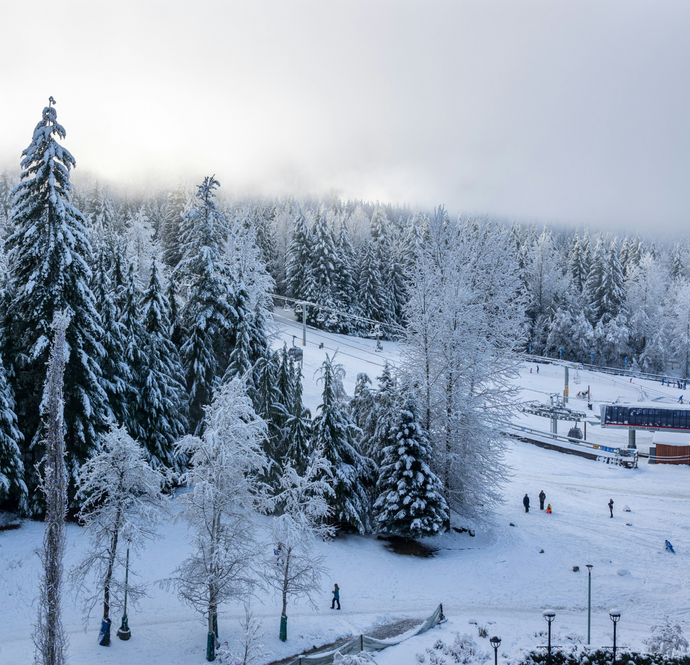
Base elevation: 2,214 feet
Annual snowfall: 456 inches
Ski level: 20% beginner, 55% intermediate, 25% advanced runs.
Selling point: The largest ski resort in North America.
Whistler Blackcomb is a massive alpine kingdom just two hours north of Vancouver. Its sheer size means superlatives apply to every aspect of the area: The terrain is diverse, the après-ski scene is legendary, and runs cater to everyone. This makes it the ultimate destination for groups with mixed abilities, from those craving technical chutes to those looking for a chilled, scenic cruise.
Lake Louise, Alberta.
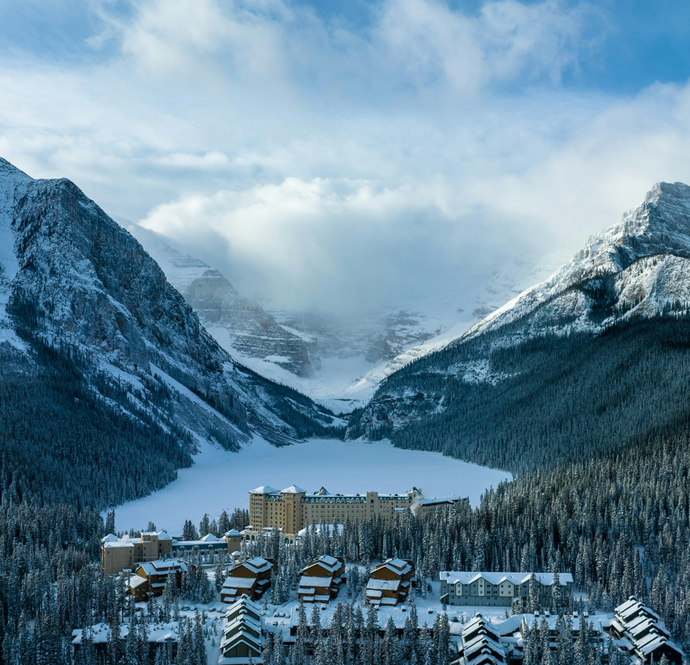
Base elevation: 5,400 feet
Annual snowfall: 206 inches
Ski level: 25% beginner, 45% intermediate, 30% advanced runs.
Selling point: Beautiful scenery!
After a two-hour drive from Calgary, you arrive at one of the largest ski resorts in North America. Lake Louise boasts spectacular runs nestled in the heart of the Canadian Rockies. Famous for its scenery, a ski getaway to Lake Louise isn’t just about amazing runs, it’s also about the impeccable natural beauty of the Alberta wilderness.
Tremblant, Quebec.
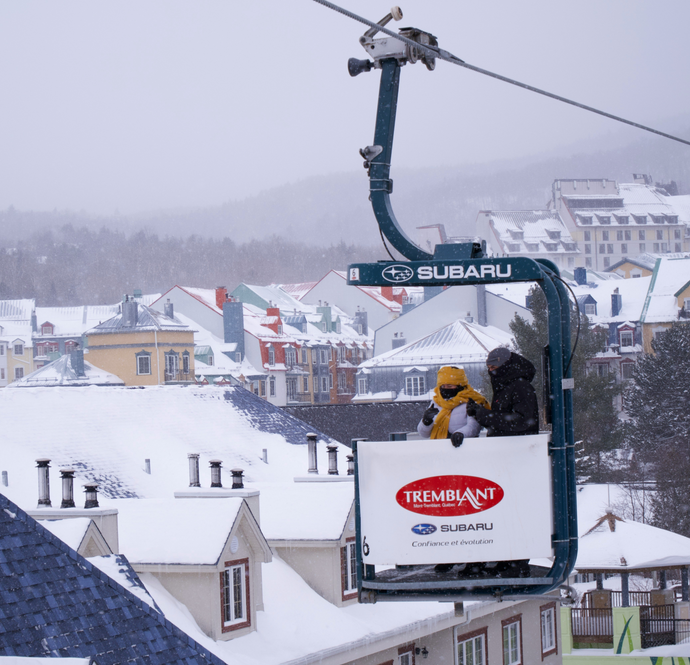
Annual snowfall: 156 inches
Ski level: 17% beginner, 33% intermediate, 50% advanced runs.
Selling point: A colorful village with a refined atmosphere.
If you’re tempted by the Alps but want to stay in North America, look no further than Tremblant. The cobblestone streets of the pedestrian village draw inspiration from European chalets, while the rugged terrain is built for adventurous skiers and riders.
Panorama, British Columbia.
Base elevation: 3,875 feet
Annual snowfall: 204 inches
Ski level: 20% beginner, 35% intermediate, 45% advanced runs.
Selling point: An intimate, “off-the-beaten-path” feel.
Avoid crowds and find incredible terrain. At Panorama, you’ll access mountain runs that truly make you feel alive. It’s a premier spot for exploring the backcountry as well. That’s why advanced skiers gather here to glide through remote terrain without the typical tourist interruptions.
Interested in remote ski resorts? Check out our guide to the best off the beaten path destinations.
Big White, British Columbia.
Base elevation: 5,757 feet
Annual snowfall: 295 inches
Ski level: 20% beginner, 35% intermediate, 45% advanced runs.
Selling point: Famous for “Snow Ghosts” and world-class powder.
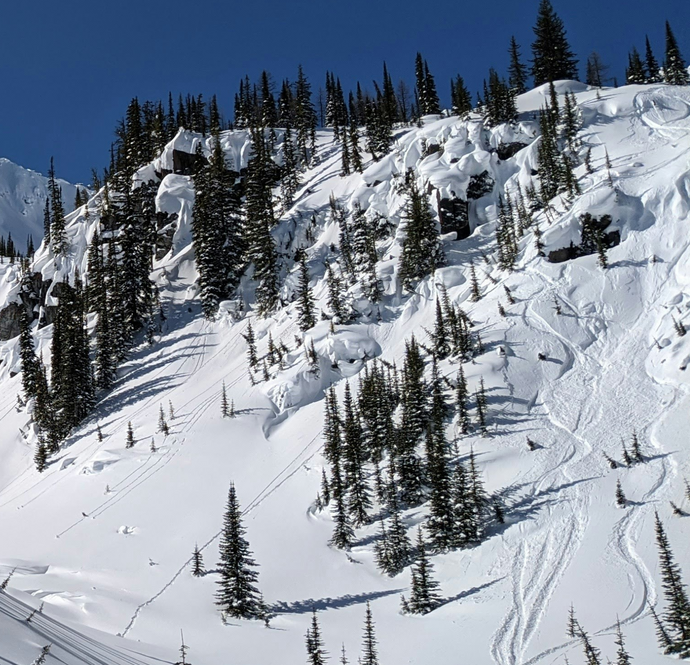
Big White is famous for its “snow ghosts” – trees completely encased in ice and snow that line the resort’s curved runs. Spooky, but wonderful. The ski resort is 100% ski-in, ski-out, meaning access to some of the finest powder in the world is quite literally steps from your front door.
What Region in Canada is Best for Skiing?
British Columbia is the undisputed heavyweight of the 10 Canadian provinces. As a close runner-up, Alberta also hosts many of the top resorts on our list. What makes Western Canada superior to many? The reliability of the snow – both in quality and quantity – throughout the season (November-April).
That’s not to say that Eastern Canada (Je te regarde, Québec!) isn’t worth a visit. Instead of deep powder and the “Big Mountain” scale, you’re treated to charming ski villages and diverse runs on high-altitude Quebec mountains. The climate is also colder and crisper, making for a distinctly French-Canadian winter affair.
Skiing in Eastern Canada. Where to Go?
If you have your eyes and heart set on heading East, you should definitely consider these Quebecian ski resorts:
- Tremblant, Quebec: High-energy, pedestrian-friendly, and undoubtedly Canadian-French.
- Bromont, Quebec: The ultimate Canadian destination for night skiing.
- Sutton, Quebec: Tight slopes, nestled in between frosty trees.
- Owl’s Head, Quebec: Underrated scenery courtesy of the nearby Lake Memphremagog.
- Orford, Quebec: Steep, challenging runs bang smack in the middle of a beautiful national park.
Skiing in Western Canada. Honorable Mentions.
- Sun Peaks, British Columbia: A charming and friendly village perfect for your ski level, whatever that might be.
- Silver Star, British Columbia: A proper Canadian ski village, surrounded by rugged, fun terrain for all.
- Revelstoke, British Columbia: Where the terrain and facilities are unmatched by any other ski resort.
Remember Your Gear.
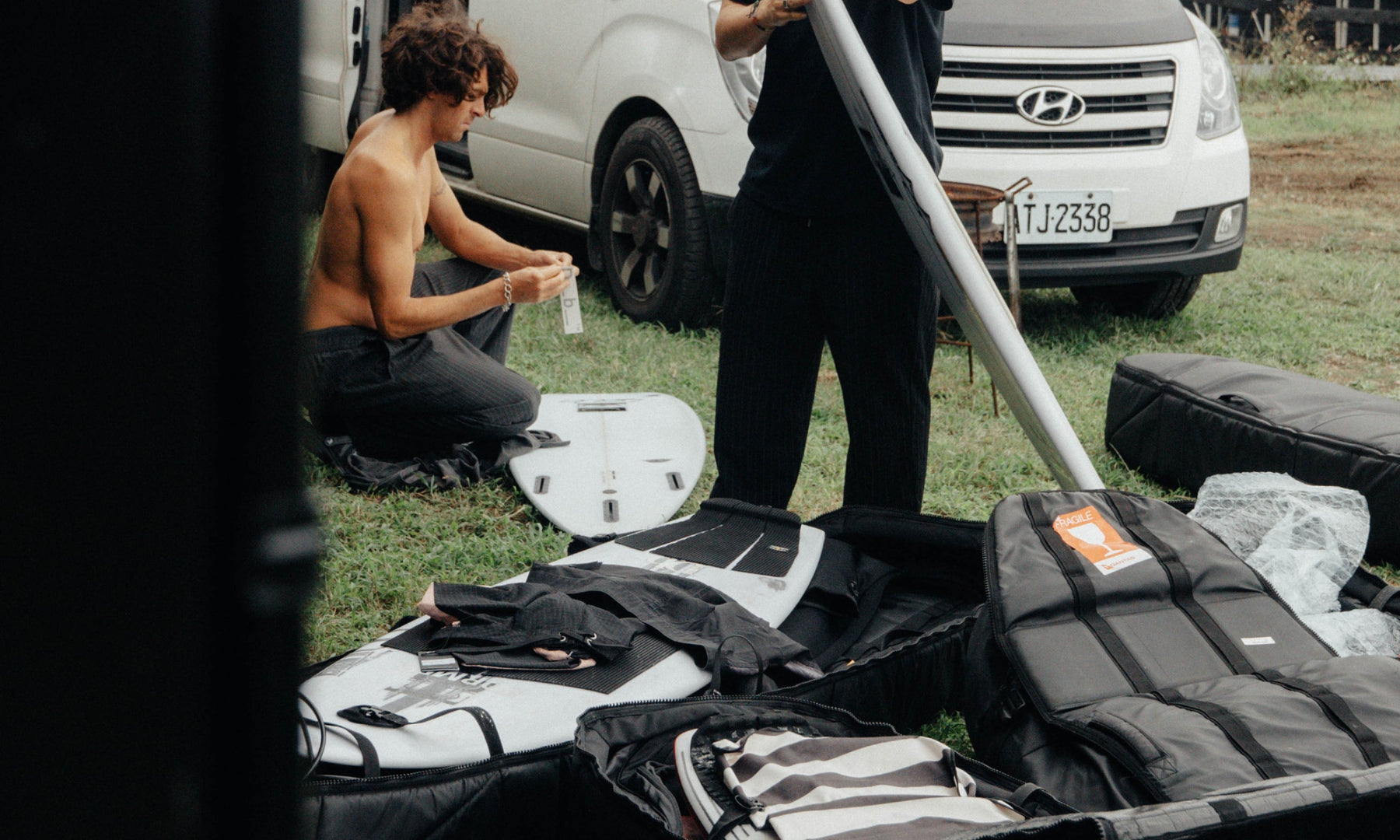
Whether you’re a skier or a rider, you need to bring your ski, ski poles, and/or board. While renting is an option, bringing your own gear is the only way to ensure performance that matches the terrain. Remember your essentials: helmets, boots, and goggles. A pro tip is to pack using a specialized gear bag, like the Db Weigh Lighter Helmet Bag.
Clothing is also essential, and comfort is key. Layer up in wool and wrap yourself in a flexible, breathable, and insulating ski jacket and pants combination. That way you stay warm on the slopes without compromising mobility. This ensures you stay warm without compromising mobility. If you’re heading East, merino layers are non-negotiable – Quebec mountains are famously frosty.
Pack in Db Snow Bags.
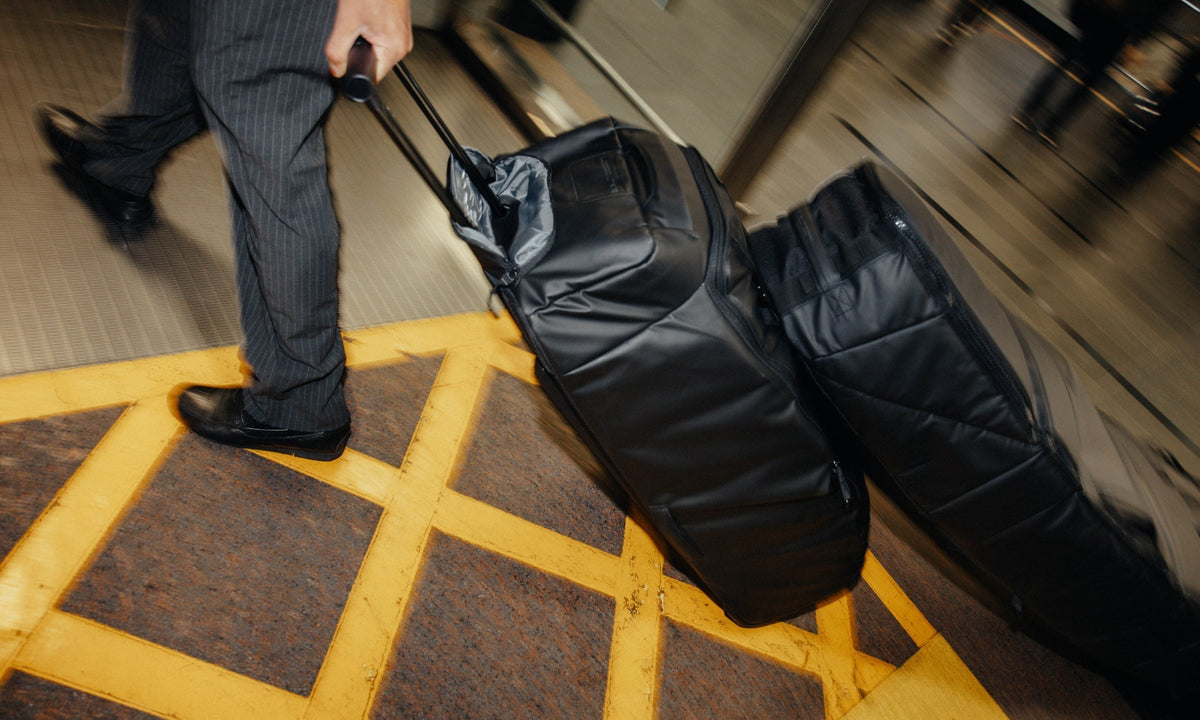
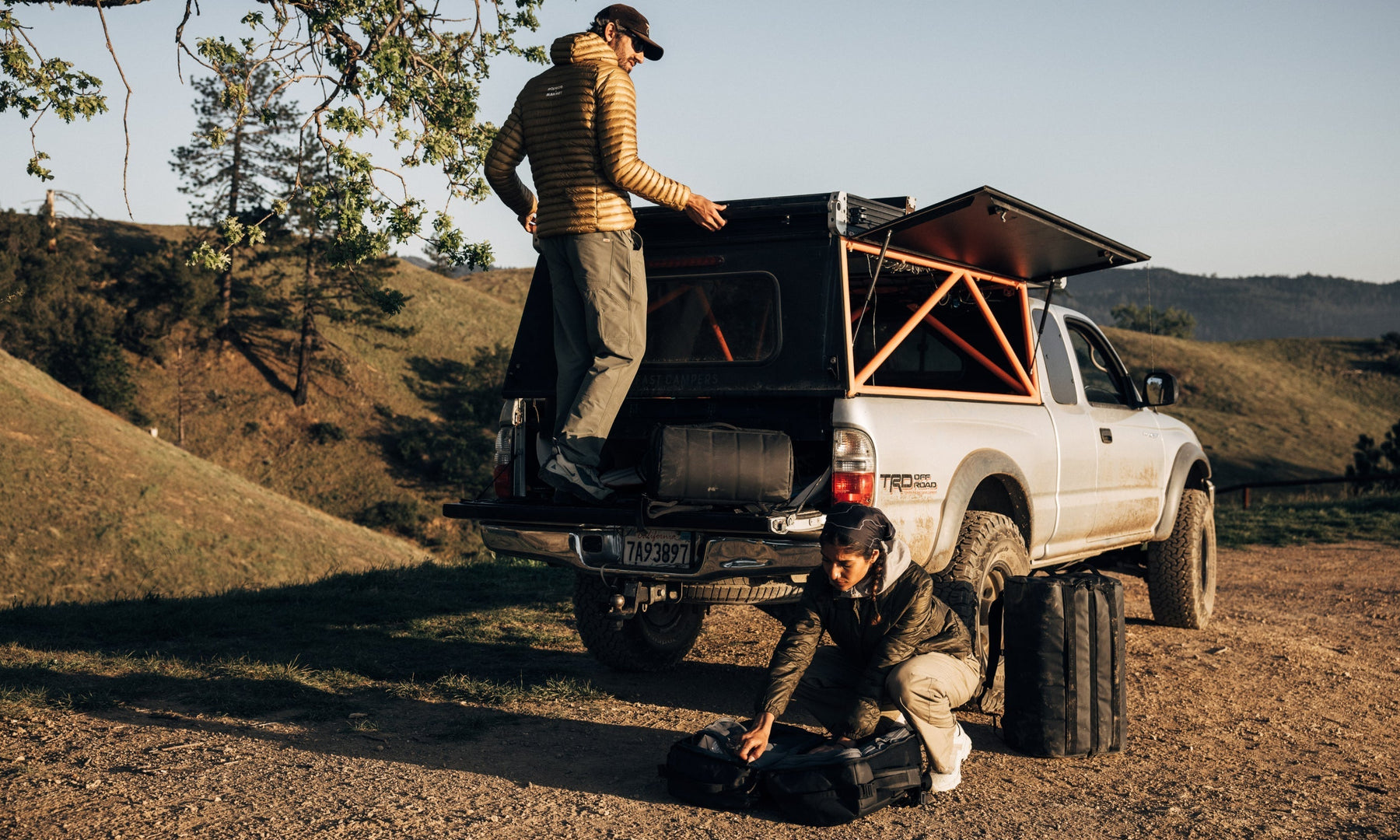
Streamline you travel with the best ski bags and snowboard bags designed for air travel, ready for your journey. The Snow Roller is a spacious, compressible option with compartments for goggles and helmets. Make use of our Hook-Up System™ to attach it to your backpack and make navigating the airport a one-handed affair. For a lighter setup, the Snow Essential Ski Bag offers adjustable straps and a minimalist profile.
Get more tips here: How to pack your snowboard gear for air travel?
The Next Journey. Canada.
Skiing in Canada is a remote, wild experience. While the backcountry adventures are endless, the diverse slopes of BC, Alberta, and Quebecare ready to welcome you, no matter your ski level.
At Db, we design for the journey that starts at the airport and ends at the peak. Pack your Snow Roller, bring your extra layers, and head North.
Your Questions Answered.
Where to go skiing in Canada?
Depending on your preferences, you have some options. If you’re looking for great variety, go for Whistler Blackcomb (BC). If you want guaranteed powder-snow, we’d recommend booking a trip to Lake Louise (AB) or Banff Sunshine (AB). Tremblant is a fantastic option if you want to travel to Quebec.
How much is heli skiing in Canada?
You should expect to pay CAD $1000 to $1800 for a single-day excursion in British Columbia. As Canada is the birthplace of heli skiing, there are many options for it throughout the country. This also makes for a big variety in prices depending on region and scale.
Is it cheaper to ski in Canada or the US?
Generally, it is cheaper to ski in Canada than in the US. The cost of a ski lift ticket averages out to roughly 30 to 40% (once you account for the currency conversion) less than what you’d pay at major US ski resorts like Vail or Aspen.