Einen Rucksack auswählen: Wie sollte er passen?
Auf der Suche nach dem richtigen Rucksack gibt es viele Faktoren zu berücksichtigen. Neben Funktionen und Volumen ist die Passform am wichtigsten. Um optimalen Komfort zu gewährleisten, muss dein Rucksack den Proportionen deines Körpers entsprechen. Dieser Leitfaden enthält alles, was du wissen musst – von der Messung deines Oberkörpers bis hin zu den spezifischen Funktionen, auf die du achten musst, wenn du eine Zwischengröße bist.
Vermiss deinen Oberkörper, um den richtigen Rucksack zu finden.
Das Vermessen deines Oberkörpers ist unerlässlich, um den richtigen Rucksack zu finden – egal, ob du nach einem schlanken Alltagsrucksack suchst oder nach einem Modell mit hoher Kapazität, das Platz für dein ganzes Hab und Gut bietet – Qualität und Design sind nur die halbe Miete.
Die Passform ist der entscheidende Faktor dafür, ob ein Rucksack zu einem nahtlosen Bestandteil deiner Reise oder zu einem echten Gewicht auf deinen Schultern wird. Wir haben einen Leitfaden erstellt, der zeigt, wie du deine Rumpflänge misst, damit dein Rucksack genau da sitzt, wo er hingehört.
Warum Präzision zählt.
Ein Rucksack, der zu deiner Anatomie passt, sorgt dafür, dass das Gewicht auf deine Hüften und die natürlichen Kurven deiner Wirbelsäule verteilt wird, anstatt an deinem Nacken und deinen Schultern zu ziehen. Wenn du den Rucksack nicht im Geschäft anprobieren kannst, musst du die Länge deines Oberkörpers kennen. Dies ist die wichtigste Information, die du brauchst, um den am besten sitzenden Rucksack zu finden und auszuwählen. Komfort ist keine Gefühlssache – miss ihn nach.
So misst du deine Oberkörperlänge.
Um einen Rucksack zu finden, der das Gewicht richtig verteilt, musst du die Länge deines Oberkörpers kennen. Dafür brauchst du ein flexibles Maßband oder ein Stück Kordel und jemanden, der dir beim Messen hilft.
Befolge diese einfachen Schritte:
Schritt 1. Finde den Ausgangspunkt (C7 Wirbelsäule).
Stell dich gerade hin und ziehe dein Kinn auf die Brust. Du solltest die markante, knöcherne Beule an der Unterseite deines Halses spüren. Dies ist dein C7-Wirbel und der Ausgangspunkt deiner Rumpflänge.
Schritt 2. Finde den Endpunkt (Beckenkamm).
Leg deine Hände auf deine Hüften, deine Daumen zeigen dabei horizontal auf deine Wirbelsäule. Die Knochen, auf denen deine Daumen ruhen, sind dein Beckenkamm. Stell dir eine Linie vor, die deine beiden Daumen über deinem Rücken verbindet. Dies ist der Endpunkt deiner Oberkörpermessungen.
Schritt 3. Die Messung.
Miss die Länge mit einem Maßband vom C7-Wirbel bis zur Beckenkammlinie. Stelle sicher, dass das Maßband der natürlichen Kurve deiner Wirbelsäule folgt, anstatt das Band in eine gerade, starre Linie zu ziehen. Wenn du eine Schnur verwendest, mach dasselbe, aber mache einen Knoten am Start- und am Endpunkt, und miss dann die Schnur. Das resultierende Maß ist deine gesamte Rumpflänge und die Zahl, die du bei der Suche nach dem richtigen Rucksack verwenden wirst.
Zwischen zwei Größen? Nimm die kleinere Größe.
Wenn dein Oberkörpermaß zwischen zwei Größen liegt, empfehlen wir dir, die kleinere zu wählen. Obwohl wir intuitiv oft dazu neigen, immer eine Nummer größer zu wählen, hinterlässt ein Rucksack, der zu lang für deinen Oberkörper ist, eine Lücke, die das Gewicht von deinen Hüften weg verlagert. Ein etwas kleinerer Rucksack sorgt dafür, dass das Gewicht an deinen Hüften verankert bleibt, und die Schultergurte legen sich bequem um deinen Rücken – und geben dir die Präzision und Stabilität, die du für deine Reise brauchst.
Höhe vs. Rumpflänge
Ein weit verbreitetes Missverständnis ist, dass größere Menschen automatisch einen größeren Rucksack benötigen. In Wirklichkeit stehen deine Gesamtgröße und deine Rumpflänge nicht unbedingt in Relation. Eine große Person kann lange Beine und einen kürzeren Oberkörper haben, während jemand kleiner einen längeren Oberkörper und kürzere Beine haben kann.
Da Rucksäcke so konzipiert sind, dass sie an den Hüften verankert werden und exakt über den Schultern liegen, solltest du deinem Oberkörpermaß immer Vorrang vor deiner Körpergröße geben. Deinen Rucksack an deine Wirbelsäule anzupassen ist das Geheimnis dafür, dass sich Rahmen und Schultergurte richtig an deine Anatomie anschmiegen.
Passe deinen Rucksack für die optimale Passform an.
Sobald du deine richtige Größe gefunden hast, ist der letzte Schritt, deinen Rucksack zu kalibrieren. Ein Rucksack in perfekter Größe funktioniert nur, wenn er gut an deinen Körper angepasst ist.
- Löse alle Gurte: Bevor du den Rucksack anziehst, lockere alle Schultergurte und den Hüftgurt. Damit hast du eine „leere Leinwand“, bevor du mit dem Anpassen beginnen kannst.
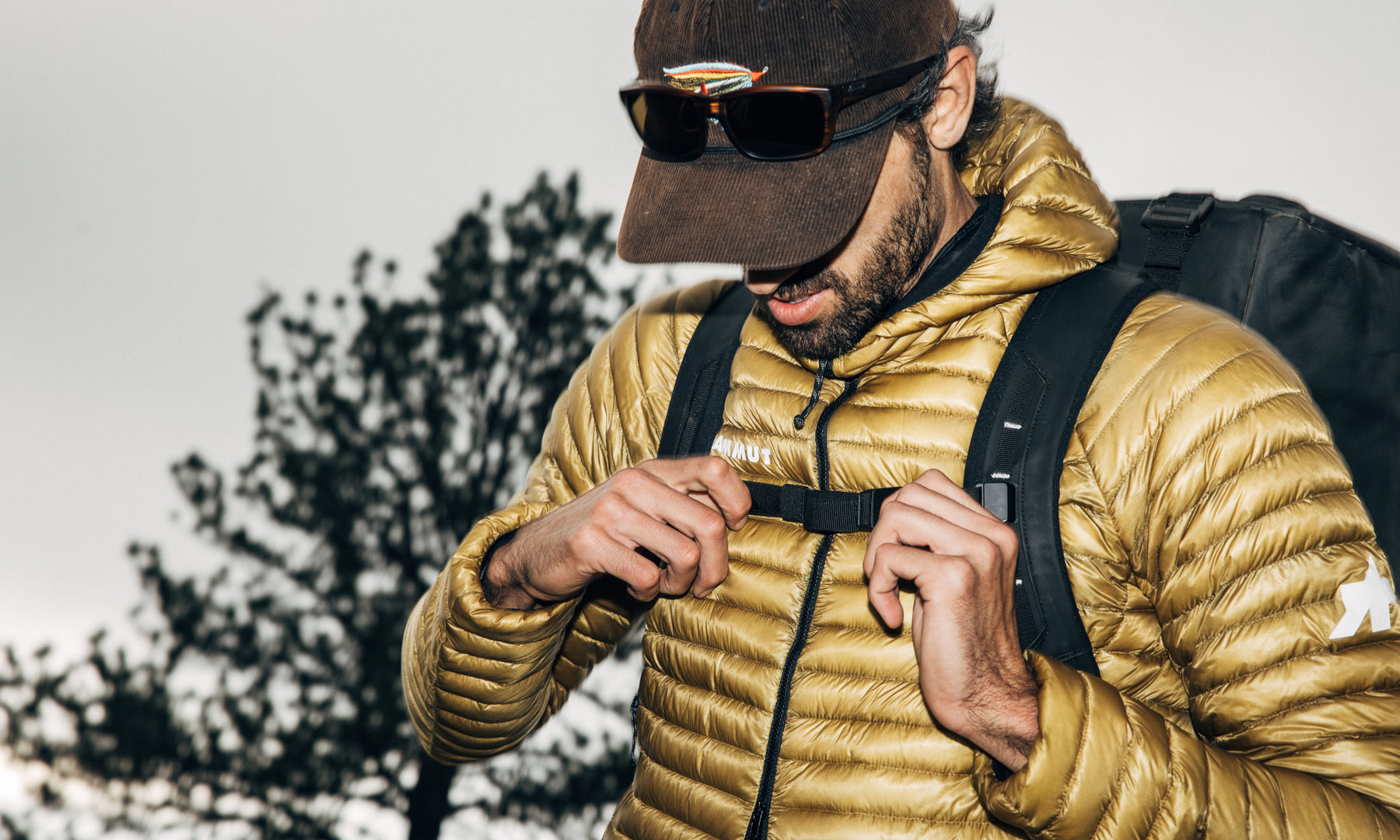
- Position: Wenn dein Rucksack über einen Hüftgurt verfügt, lehne dich leicht nach vorne, damit die Tasche auf deinem Rücken aufliegt, schließe dann den Hüftgurt und ziehe ihn fest. Die Polsterung sollte sich direkt um deine Hüftknochen wickeln.
- Verankerung: Ziehe die Schultergurte fest, bis sie eng, aber nicht zu fest anfühlen. Die Oberseite des Rucksacks sollte direkt unter deinem C7-Wirbel sitzen, damit sich dein Nacken frei bewegen kann.
- Stabilisierung: Zieh die Lastenkontrollriemen (sofern dein Modell über solche verfügt), um das Gewicht näher an deiner Wirbelsäule zu bringen und jede Bewegung zu vermeiden.
Das Ziel: Der Rucksack sollte sich wie eine Erweiterung deines Körpers anfühlen, der sich mit dir und nicht gegen dich bewegt.
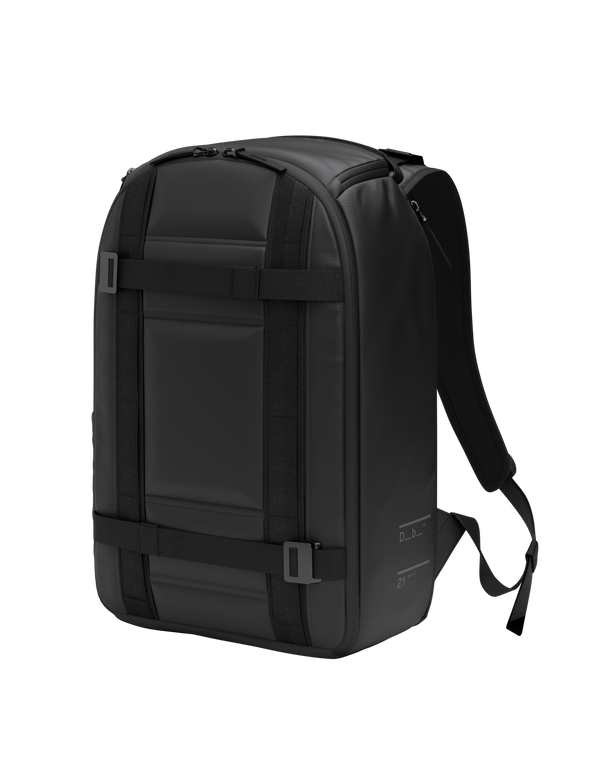
Finde das perfekte Modell in unserer Auswahl an Rucksäcken.
So wählst du den richtigen Rucksack aus
Dein Rucksack sollte eine Erweiterung deines Lifestyles sein und deine Turnschuhe und deine Kameraausrüstung mit dem gleichen Maß an Pflege schützen. Egal, ob du eine schlanke Silhouette für den täglichen Arbeitsweg oder einen Rucksack mit hoher Kapazität für lange Strecken suchst: Die richtige Wahl beginnt damit, dass sie deine Bedürfnisse erfüllt – was auch immer diese sein mögen.
Zusammenfassung
Indem du die Oberseite deines Rumpfes (C7-Wirbel) bis zur Untergrenze deiner Rumpflänge (Beckenkamm) misst, ermittelst du die Gesamtmaße deines Rumpfes und stellst sicher, dass das Gewicht deines Rucksacks in deinem Schwerpunkt verankert ist, anstatt deine Schultern zu belasten.
Wenn du zwischen zwei Größen liegst, wähle immer die kleinere Größe, um mehr Präzision und Stabilität zu erhalten. Sobald du deine Riemen so eingestellt hast, dass sie direkt unter dem Hals und fest über den Hüften sitzen, ist dein Rucksack nicht mehr nur Ausrüstung, sondern ein kalibriertes Werkzeug, bereit für dein nächstes Abenteuer.
Immer noch unsicher? Hol eine zweite Meinung ein.
Antworten auf deine Fragen.
Wie soll ein Rucksack passen?
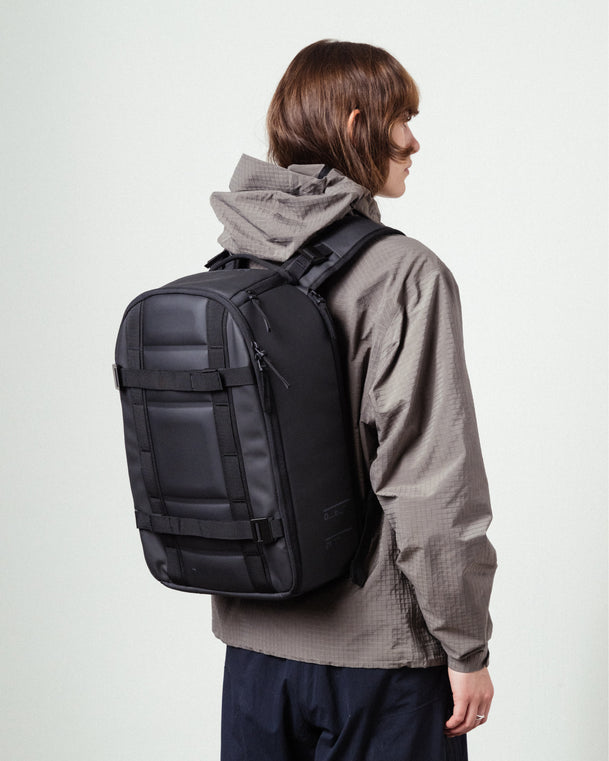
Ein gut sitzender Rucksack sollte bequem auf deinem Oberkörper sitzen, direkt unter deinem C7-Wirbel (dem großen Knochen am Ende deines Nackens) und genau dort enden, wo dein Hüftknochen beginnt. Ein Rucksack der richtigen Größe sollte dich nicht nach hinten ziehen oder deinen Nacken belasten.
Wie sollte ich meinen Rucksack für maximalen Komfort packen?
Lege leichte, sperrige Gegenstände ganz nach unten, um eine Basis zu schaffen. Platziere schwere Ausrüstung, wie etwa Equipment oder Lebensmittel, an der Rückseite, mittig zwischen deinen Schulterblättern, damit das Gewicht nah an deiner Wirbelsäule bleibt.
Schließlich kannst du die Ober- und Außentaschen mit leichteren Utensilien und Schichten füllen. Diese Strategie sorgt dafür, dass der Schwerpunkt des Rucksacks auf deinem eigenen ausgerichtet ist und verhindert, dass die Tasche an deinen Schultern zieht.