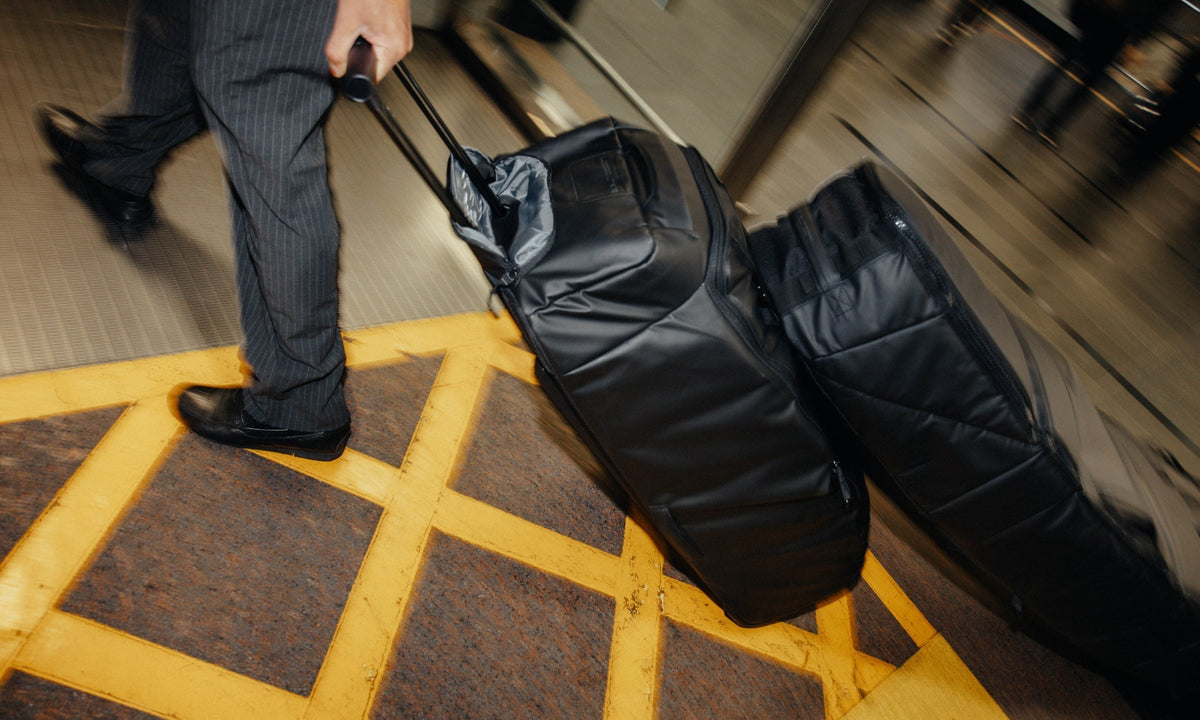
Neue Regeln für Koffer in der Kabine seit 2026.
Bis vor kurzem war es oft ein Glücksspiel, ob du deinen Kabinenkoffer mit an Board nehmen konntest. Du erinnerst dich vielleicht an die alten, sperrigen Metallschablonen, in die du deine Tasche hineinschieben konntest, um für den Flug zugelassen zu werden. Handgepäckmaße wurden manuell überprüft und oft ignoriert, wenn der Flug nicht voll war.
Seit 2026 haben viele Fluggesellschaften und Flughäfen das manuelle System jedoch durch automatisierte Gepäckscans ersetzt. Diese Scanner verwenden KI-gestützte Kameras, die dein Gepäck dreidimensional vermessen, während du den Boarding-Bereich durchläufst. Aufgrund dieser Präzision ist es unerlässlich, alle Richtlinien einzuhalten, um Probleme am Gate zu vermeiden.
Wie groß darf dein Kabinenkoffer im Jahr 2026 sein?
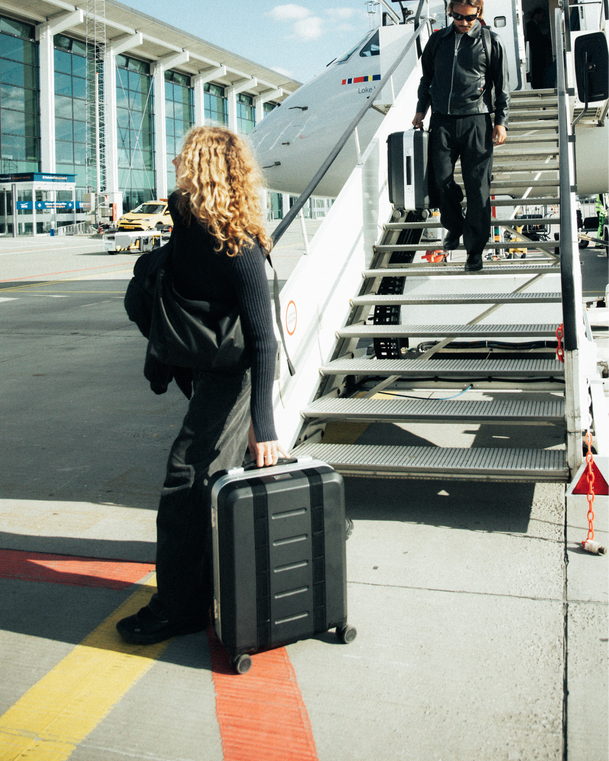
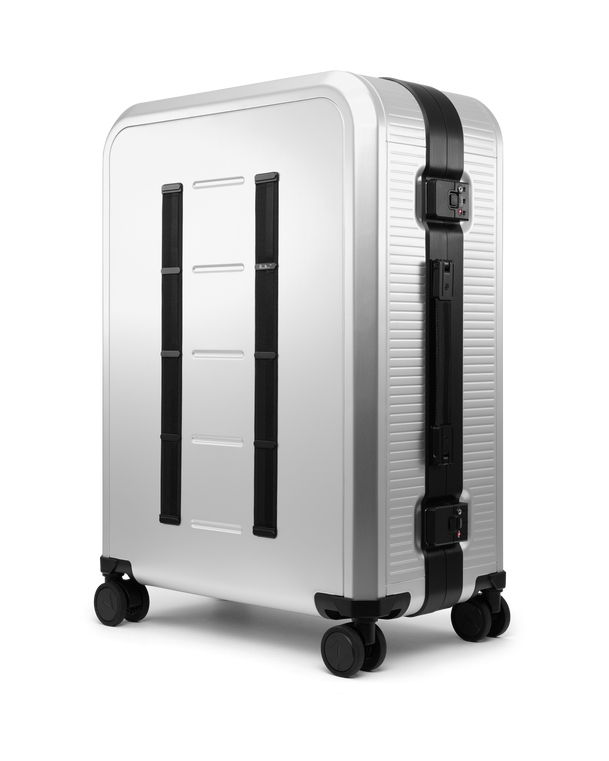
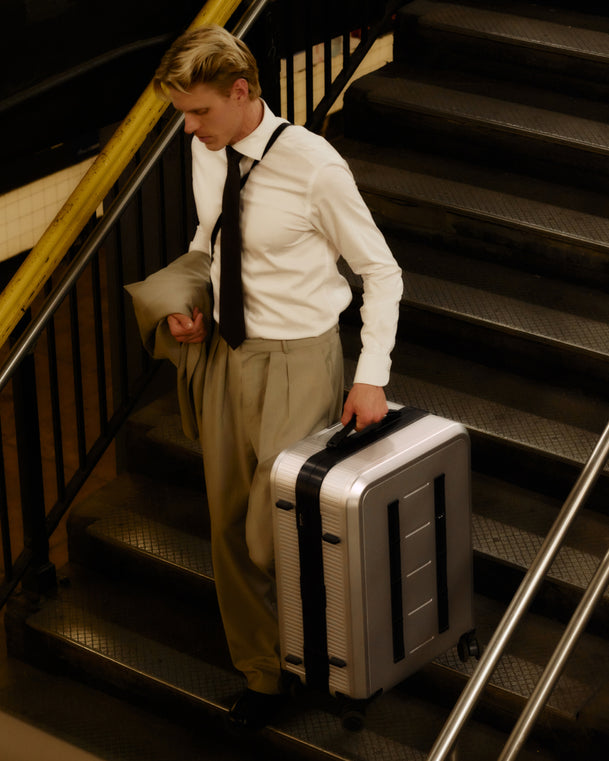
Seit 2026 halten sich die meisten Fluggesellschaften an die Standardgrenze von 56 x 36 x 23 cm. Wenn dein Kabinenkoffer diese Abmessungen jedoch überschreitet, markiert das System automatisch deine Bordkarte und du musst deine Tasche höchstwahrscheinlich am Gate aufgeben, was eine teure und zeitaufwändige Angelegenheit sein kann.
Regeln zum Gesamtmaß
Früher nutzten viele Reisende die Grenze von 115 cm, bei der die Gesamtsumme aus Länge, Breite und Höhe gemessen wurde. Bis 2026 vermarkteten viele Kofferhersteller Taschen ausschließlich auf der Grundlage der Größe. Die meisten Fluggesellschaften schließen nun sowohl Griffe als auch Rollen in ihren Abmessungen ein.
Abmessungen, einschließlich Griffen und Rollen.
Bei der Auswahl deines Kabinenkoffers hat sich der Fokus von der größten Tasche zur effizientesten Tasche verlagert. Bei deiner nächsten Reise solltest du dich darauf konzentrieren, das Innenvolumen zu maximieren und gleichzeitig die äußere Form innerhalb der strengen Grenzen des Scanners zu halten.
Mehr lesen: Wie groß darf ein Kabinenkoffer sein?
Maximale Nutzung deines Staufachs unter dem Sitz
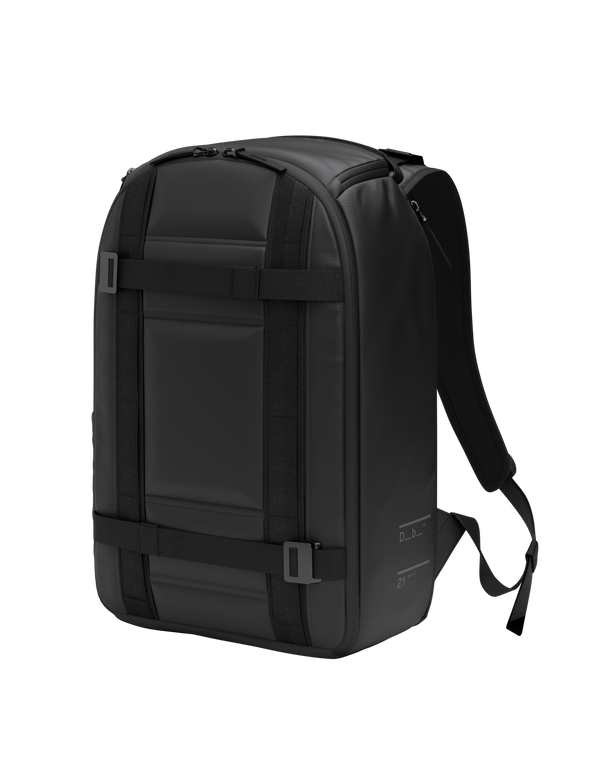
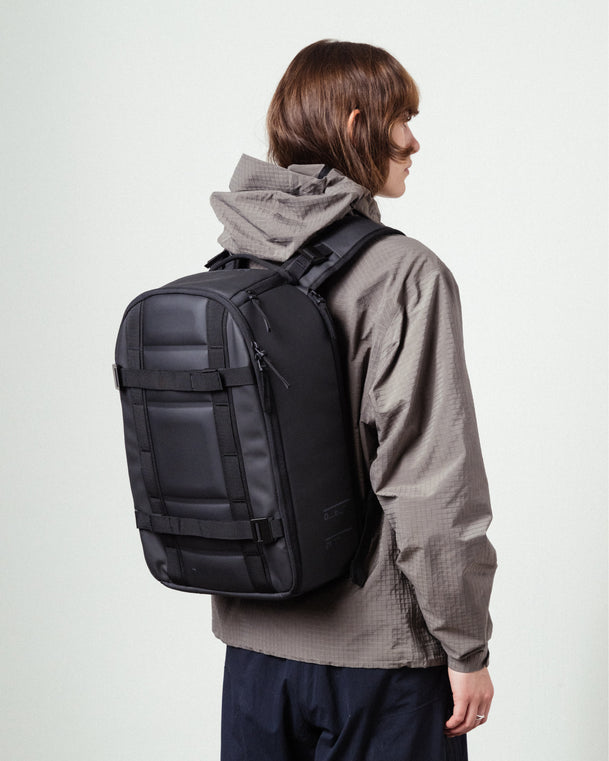
Dein kleines Handgepäckstück ist in der Regel ein kleinerer Rucksack, eine Tote bag oder eine Tasche, die als Ergänzung zu deinem Kabinenkoffer unter den Sitz vor dir passt. Seit 2026 achten viele Fluggesellschaften strenger auf die Gepäckfächer als zuvor. Für einen reibungslosen Ablauf sollte dein kleines Handgepäckstück unter dem Sitz etwa 43 x 25 x 23 cm messen.
Internationale Flugbeschränkungen seit 2026.
Bei Auslandsreisen verlagert sich der Fokus von der Größe auf das Gewicht. Während US-Inlandsflüge oft kulanter sind, haben viele internationale Fluggesellschaften 2026 die gesamte Gepäckfreigrenze in der Kabine auf strikte 7 kg begrenzt. Das umfasst das Gesamtgewicht des Handgepäcks und einer kleinen Tasche, daher ist leichte Ausrüstung ein Muss.
Vermeide Gebühren für Übergewicht: So vermeidest du zu schwere Koffer
Neuen Regeln für Flüssigkeiten
Die „100-ml-Regel“ weicht endlich an manchen Flughäfen dank neuer 3D-CT-Scanner, die es dir ermöglichen, bis zu 2 Liter Flüssigkeiten zu transportieren und dein Laptop kann auch in der Tasche bleiben. Da es sich bei dieser Technologie jedoch nicht um eine Universaltechnologie handelt, ist es sicherer, die traditionelle 100-ml-Regel in einer durchsichtigen Tasche mit Reißverschluss einzuhalten.
Die Richtlinie für Lithiumbatterien in 2026
Die Sicherheitsvorschriften für Powerbanks haben 2026 ein neues Niveau erreicht, um Brände in der Kabine zu verhindern. Lithiumbatterien sind in Aufgabegepäck strengstens verboten und sollten immer in deinem Kabinenkoffer verstaut werden. Viele Fluggesellschaften verlangen außerdem, dass diese unter dem Sitz und nicht im Gepäckfach verstaut werden, und das Bodenpersonal prüft eventuell die Fabrikkennzeichnung, um sicherzustellen, dass sie zertifiziert sind. Eine weitere neue Regel besagt, dass das Laden deiner Powerbank über den Stromanschluss am Sitz verboten ist.
Reise-Checkliste 2026: Regeln zu Kabinenkoffern, die du beachten solltest.
Für ein reibungsloses Boarding solltest du diese aktualisierten Vorschriften für 2026 beachten, bevor du dich zum Terminal begibst:
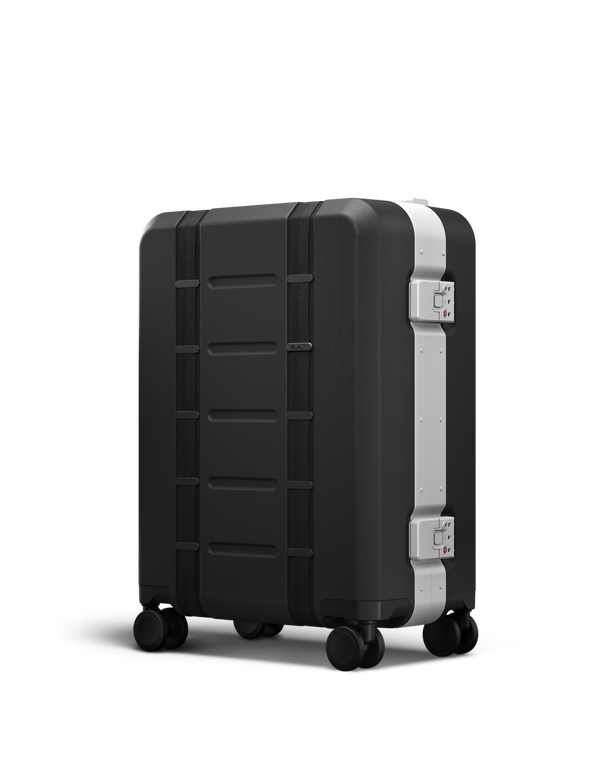
- Beachte die 3D-Scanner: Moderne automatisierte Scanner messen die gesamten Außenmaße deiner Tasche. Stelle also sicher, dass deine Tasche einschließlich beider Griffe und zusätzlicher Taschen die Standardgröße von 56 x 36 x 23 cm nicht überschreitet. Du solltest dich außerdem über die Regeln der jeweiligen Fluggesellschaft informieren, da diese vom Standard abweichen können.
- Achte auf das Gewicht: Viele Fluggesellschaften beschränken jetzt das Gewicht auf 7-10 kg für Handgepäck.
- Strenge Vorschriften für Lithiumbatterien: Fluggesellschaften erlauben jetzt nur noch zwei tragbare Batterien pro Person. Diese müssen zur einfachen Untersuchung in deinem Kabinenkoffer und niemals im Aufgabegepäck verstaut werden.
- Vorschriften für kleine Handgepäckstücke: Deine zweite Tasche muss unter den Sitz vor dir passen, da Mitarbeiter zunehmend zusätzliche Gebühren für überfüllte Taschen berechnen.
- Der Vorteil der Flexibilität: Nutze die Flexibilität eines weichen Kabinenkoffers, um die Tasche in ihre kompakteste Form zu komprimieren, bevor sie digital gescannt werden.
Brauchst du mehr Platz? Dann schau dir unsere Kofferkollektionen an.
Antworten auf deine Fragen.
Welche Vorschriften gelten für Flüssigkeiten in Flugzeugen im Jahr 2026?
Die 100-ml-Regel fällt zunehmend, da einige große Flughäfen auf CT-Scanner umstellen, sodass bis zu 2 Liter Flüssigkeiten in deiner Tasche transportiert werden können. Da diese Technologie jedoch nicht an jedem Flughafen verfügbar ist, ist die sicherste Art zu packen, deinen 100-ml-Behälter in einer transparenten Tasche bei der Sicherheitskontrolle bereitzuhalten. In deinem Koffer kannst du größere Mengen an Flüssigkeiten mitnehmen.
Welche Handgepäckbestimmungen gibt es bei United Airlines und American Airlines?
Sowohl bei United Airlines als auch bei American Airlines gelten die Maße von 23 x 35 x 56 cm einschließlich Griff und Rollen für Kabinenkoffer.
Welche Handgepäckbestimmungen gibt es bei Allegiant Airlines?
Bei Allegiant Airlines darf der Kabinenkoffer nicht größer als 25 cm x 40 cm x 56 cm sein, einschließlich Außentaschen, Rollen und Griffe.
Welche Handgepäckbestimmungen gibt es bei Spirit Airlines?
Kabinenkoffer dürfen bei Spirit Airlines eine maximale Größe von 25 x 46 x 56 cm einschließlich Griffe und Rollen haben.