



Surfing in Hawaii.

Hawaii is globally considered the home of surfing. From the first wave riders on wooden plank boards, to today's world-class athletes, the islands of Hawaii offer unmatched conditions for surfers of every level. Learn about the history of Hawaiian surfing, where to go for the best surf, and what to pack.
The History of Surfing in Hawaii.
Long before surfing became a global phenomenon, it was an integral part of Hawaiian culture known as “Heʻe Nalu,” translating to wave-sliding. In ancient Hawaiian society, surfing was a spiritual practice tied to royalty, art, and community. Hawaiian kings, called “Aliʻi,” demonstrated their status by riding massive wooden boards carved from native trees.
During the 19th century, European colonization almost erased the entire practice. However, icons from the 20th-century, like Duke Kahanamoku, an Olympic swimmer and native Hawaiian, brought surfing to California, Australia, and beyond. Today, the original spirit of respect for the ocean, called “Moana,” remains the most important aspect of Hawaiian surfing.
The Best Surfing in Hawaii.
Hawaii has some of the most world-known breaks, varying by both island and season. Discover which islands are best for surfing and when to go.

These Islands are Best for Surfing.
Hawaii consists of eight main islands, and if you include the smaller islets, you will find 137 of them. Some of the best surf happens here, and we are breaking it down for you.
The Island of Oahu.
Oahu is widely known as the capital of surfing. This is where to go on the North Shore:
- Pipeline
- Sunset Beach
- Waimea Bay
While on the south side, Waikiki Beach in Honolulu offers smooth, gentle longboard waves perfect for beginners.
The Beauty of Maui.
Known for powerful, technical surf, Maui is home to Honolua Bay, a world-class right point break on the northwest shore, and Jaws, also known as “Peʻahi,” producing monster waves that can reach up to 60 to 80 feet (18 to 24 meters). Maui is great for more experienced surfers.
The Dramatic Kauai.
Beyond its dramatic geography and rainforests, Kauai delivers exceptionally consistent waves year-round. During the summer months, the south shore lights up with 2- to 6-foot waves, while massive winter swells turn north shore spots like Hanalei Bay into world-class, heavy wave venues. If you want amazing scenery combined with reliable ocean swells, Kauai is a top-tier choice.
The Big Island.
The Big Island offers fewer sandy beaches and sharper volcanic reef breaks, but spots like Kahalu'u Beach Park are great for learning, while Banyans deliver high-performance waves for intermediate to advanced surfers.
Explore: US surfing guide: Best surfing spots.

The Best Time To Surf in Hawaii.
Whether you are a professional surfer hunting monster waves, or a beginner trying to learn, Hawaii offers the best surfing conditions year-round.
Winter.
Winter in Hawaii runs typically from November to March, when powerful storms in the North Pacific push massive swells toward the north shores of all islands.
Summer.
With summer at its peak from May to September, swells shift to the southern shores, creating smaller, cleaner, and more manageable waves. This is the best season for beginners, longboarders, and casual cruisers hitting places like Waikiki.
Spring and Autumn.
Spring and autumn bring variable wind and swell directions. If you are looking for clean conditions and lighter crowds across both the north and south coasts, these seasons are your go-to.
What to Pack for a Surf Trip to Hawaii.
Packing for a Hawaiian surf trip means preparing for warm waters, strong tropical sun, and sharp coral reefs.
- Boards: If you plan to stay through multiple seasons in Hawaii, it is best to bring multiple boards for the different types of waves. Keep them all safe in transit with a protective multi-board bag, like the Surf Roller Pro 6'6 for 3 Boards, which features built-in length adjustment and nose protection. [Text Wrapping Break]
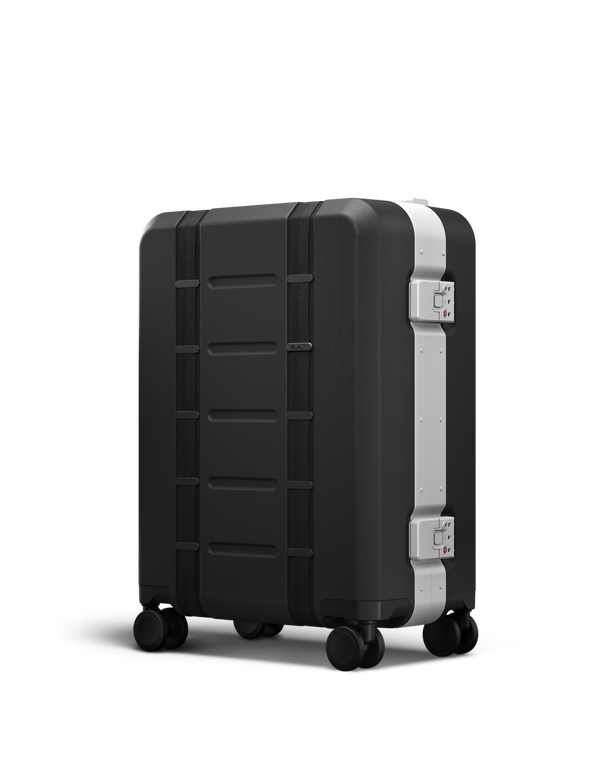
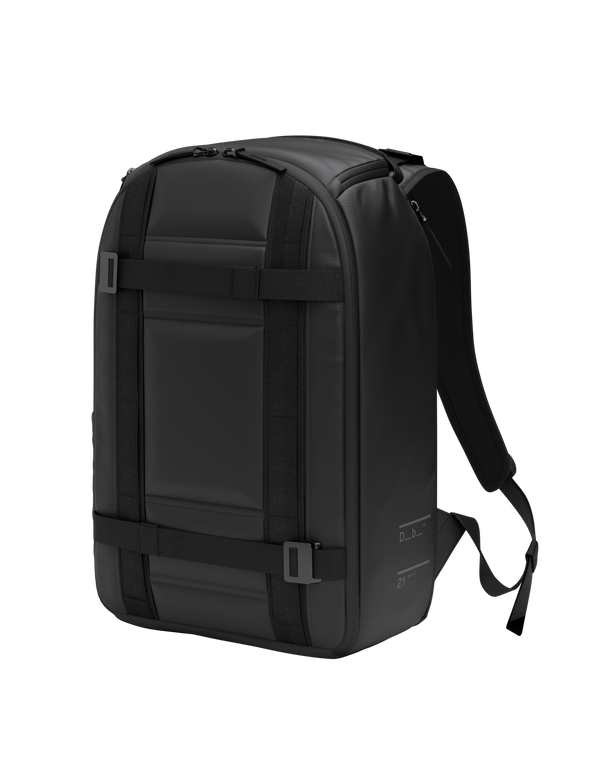
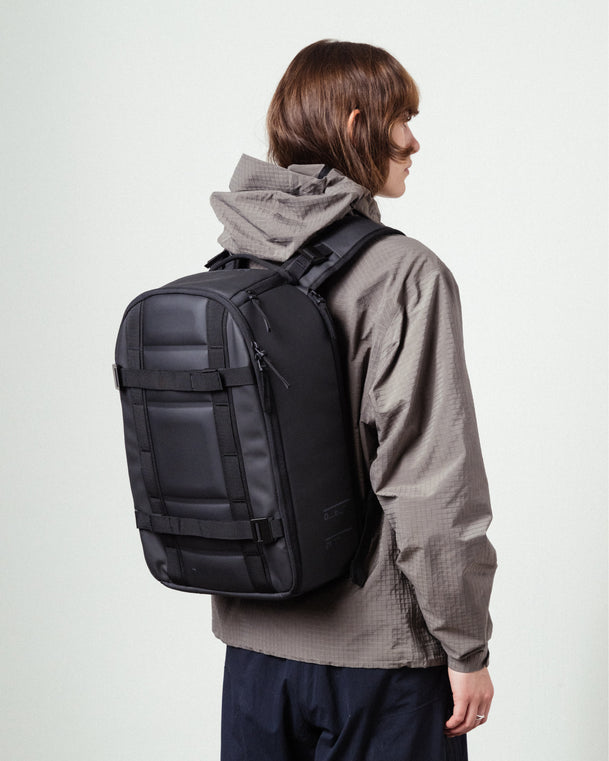
- Travel gear: Organize your fins, wax, leashes, and sunscreen inside your surf backpack or lightweight dry bag.
- Apparel and protection: Pack boardshorts, bikinis, or a light top, a high-UPF rashguard to prevent sunburn and sturdy reef booties for shallow, low-tide reef breaks.
Read more: How to pack a backpack.
Your Questions Answered.
Which Hawaii island is best for surfing?
Oahu is considered the best island for surfing due to its abundance of world-class breaks, variety of wave types, and good surf culture. It is great for both complete beginners at Waikiki and seasoned professionals on the North Shore.
What is the best time of year to surf in Hawaii?
For big wave surfing and intermediate-to-advanced riders, November through March is ideal. For beginners or those who prefer relaxed longboarding in warm summer waters, May through September is the best time to go. It all depends on what you are after, but Hawaii offers something for everyone year round.