

Guidelines Change. Keep Up To Speed.
The most important thing when going on a trip is double checking what your airline has as weight and size limitations for carry-ons. In 2026, most airlines include both handles and wheels in their total size measurements. We have gathered the most common limitations for carry-ons.
What Size is a Carry-on Suitcase?
There is no universal size for luggage sold as carry-ons, but the most normal measurements are 22 x 14 x 9 inches (56 x 36 x 23 cm). Most suitcases considered as carry-ons are made to fit these limitations, but to be on the safe side, you should always double check with the airline you’re traveling with.
Is There a Weight Limit for Carry-ons?
Most airlines have weight limits for carry-ons, varying between 15-22lbs (7-10 kg). Make sure to check the airline you travel with, as some have different weight restrictions than others.To ensure your carry-on stays within the weight restrictions, pack only your essentials with you on the plane and keep the rest in your checked baggage.
Check the Carry-on Luggage Size Charts.
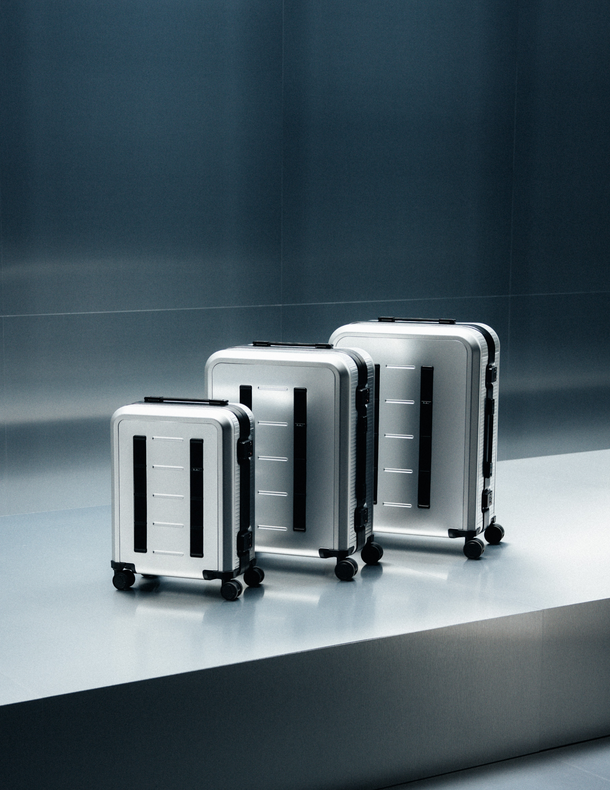
We’ve engineered our carry-on luggage to meet the strictest airline dimensions without compromising on space. To ensure a frictionless travel experience, check the overview of airline compatibility in the product descriptions for our different types of luggage.

What is the Difference Between Personal Items and Carry-ons?
Most airlines will allow for one personal item and sometimes also a carry-on. We explain the differences between the two.
Personal Item.
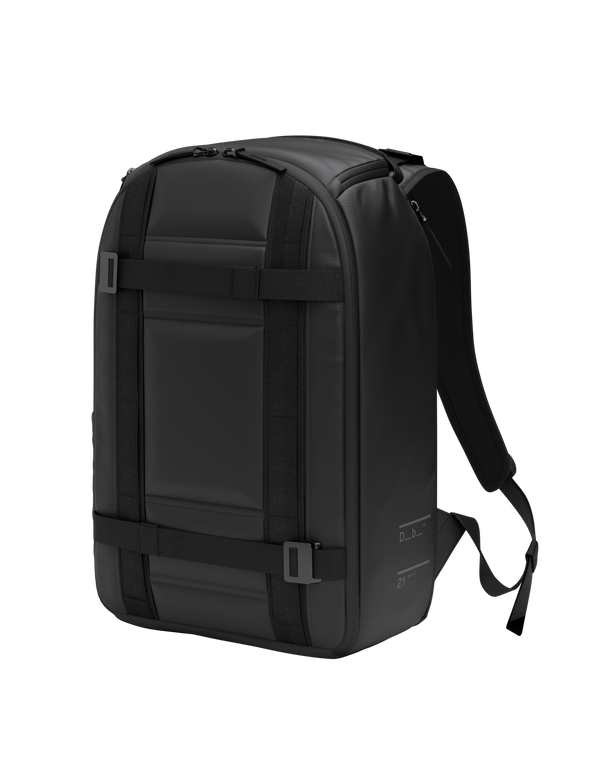
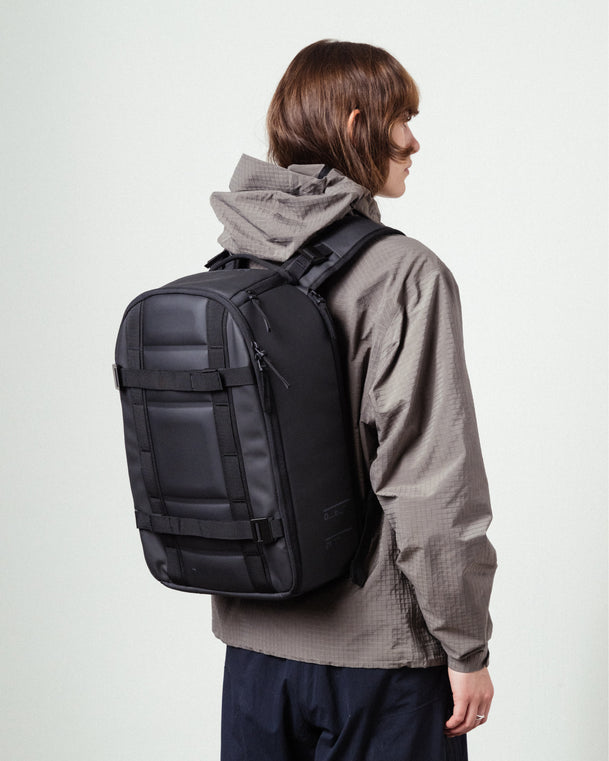
A personal item is defined by its size and position. it has to fit under the seat in front of you, and because this space is shared with your feet, the bags have stricter size limits than overhead luggage.
- The size rule: While it can vary between airlines, a standard size is roughly 18 x 14 x 8 inches (45 x 35 x 20 cm). If you’re using a standard backpack or a tote bag, you’ll usually be fine, if it's not overstuffed to the point of bursting.
- Personal items sit on the floor: If you haven’t paid for a carry-on, or if you’re on a fully booked flight, flight attendants will likely insist your personal item stays on the floor. In 2026, overhead space is mostly a premium commodity reserved for those with larger carry-ons.
Pro tip: If your bag is soft sided like the Db Hugger 20L, it’s much easier to tuck under a seat than a rigid, hard-shell case. Always keep your essentials like your passport, headphones and chargers in this bag, so they stay close during the flight.
Carry-On.
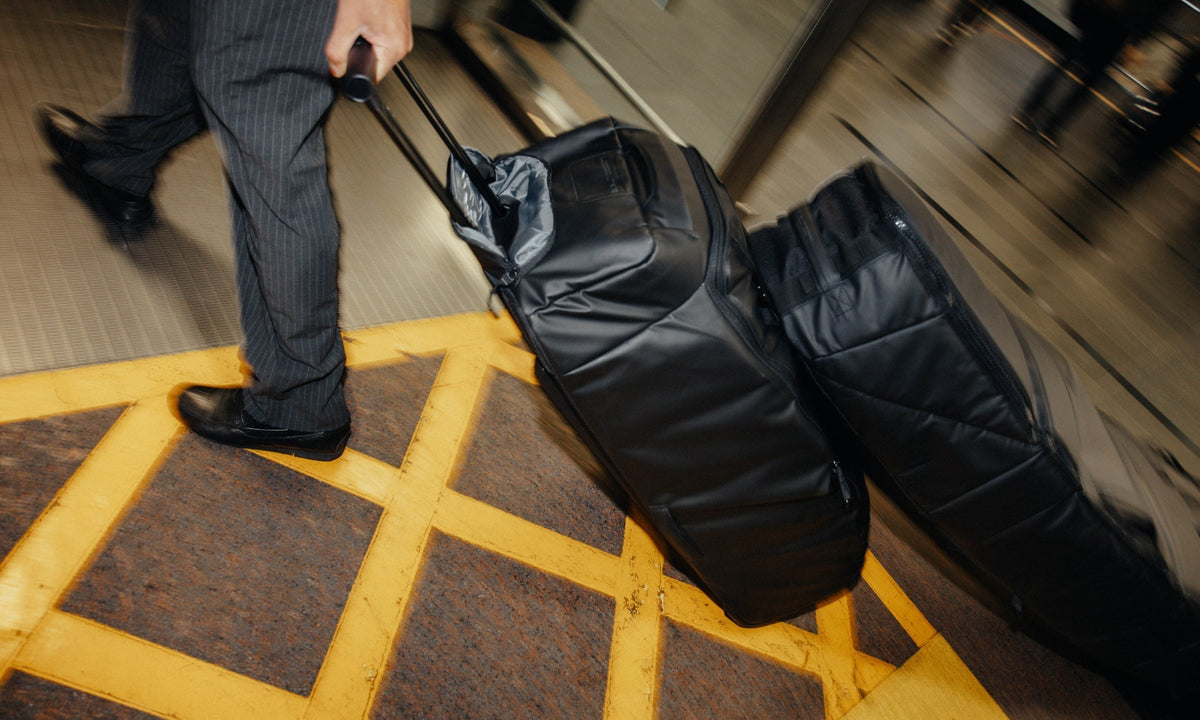
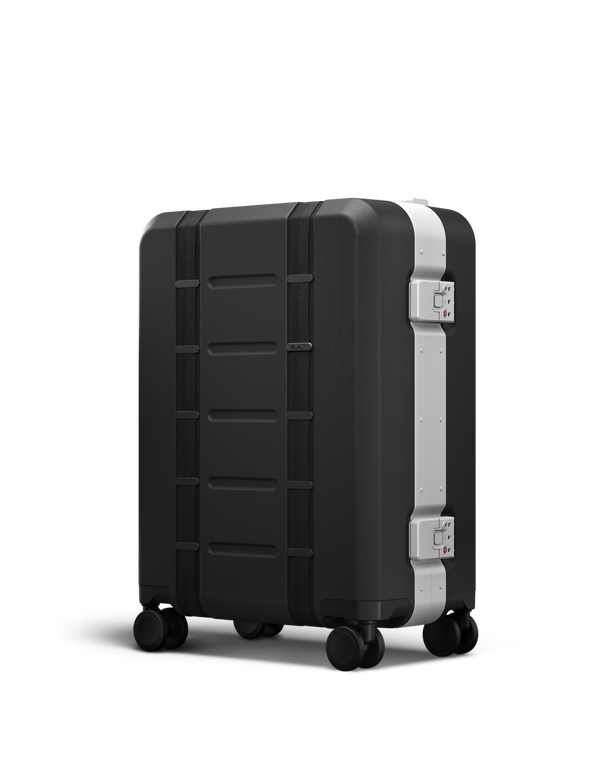
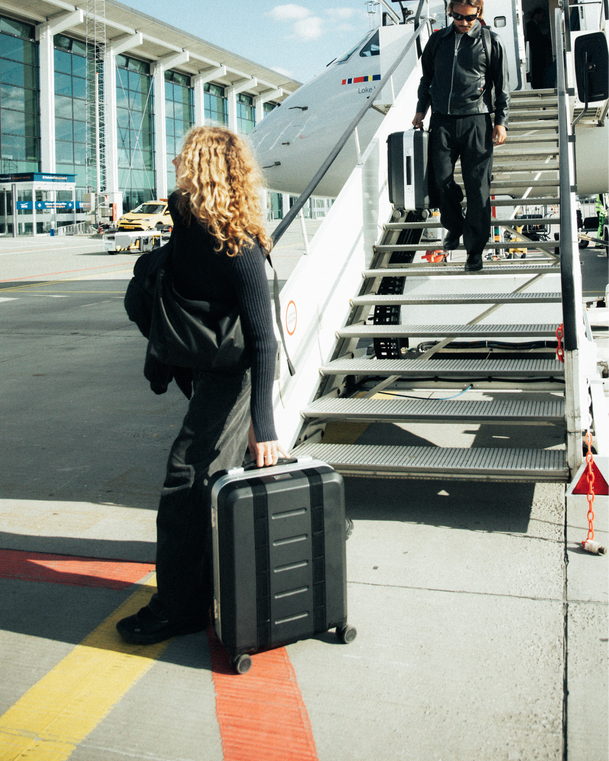
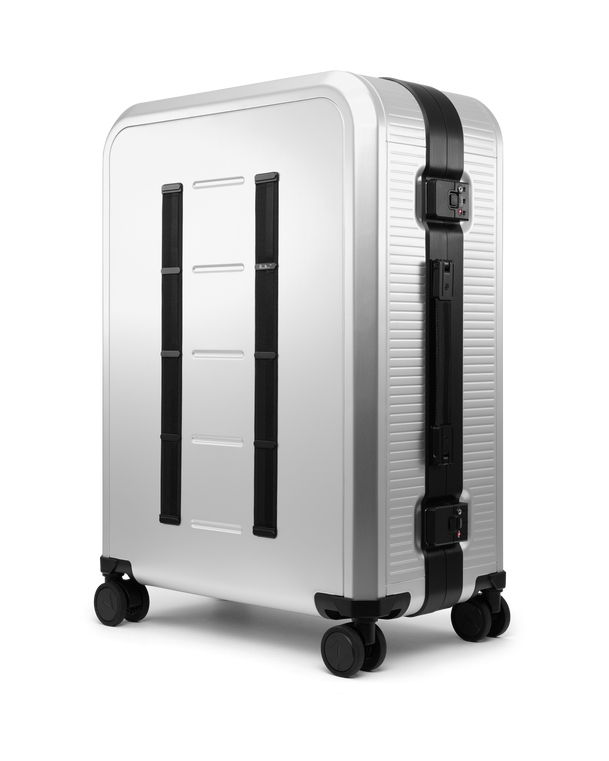
Unlike the personal item, the carry-on is supposed to stay in the overhead bin throughout the flight and can be both small roller bags or small hard shell suitcases. While most standard tickets include a carry-on, many basic economy or low-cost fares now charge an extra fee for access to the overhead bin.
If you haven’t paid for a carry-on, you may be forced to check the bag at the gate for a significantly higher price. Make sure you know what capacity you have included before packing your suitcase.
Check out: How to pack your luggage for travel
Explore More Tips for Luggage.
- Does your luggage need a wash? Check out how to clean your luggage.
- Guide: How to set a luggage lock.
- Choose the right luggage for your trip: How to choose luggage.
To Sum It Up.
There is no universal size, so the most important step before heading to the airport is checking your specific airline’s weight and size limits for your overhead carry-on and your underseat personal item. Stay mindful of the common 22 x 14 x 9 inch limit and pack smart, so your gear does the heavy lifting.
Your Questions Answered.
What is carry-on luggage?
Carry-on luggage is any piece of baggage that you bring into the aircraft cabin with you and stow in the overhead bin, rather than checking it at the counter to be transported in the cargo hold. It is smaller in size, and usually designed to hold the bulk of your essentials for a short trip or your most valuable items like electronics and a change of clothes as an addition to your checked bag.
What are the carry-on luggage dimensions?
While there is no universal standard for carry-on dimensions, most airlines follow the 22 x 14 x 9 inch rule (56 x 36 x 23cm). If you have already booked your tickets, make sure to check your airline's specific limitations before heading to the airport.