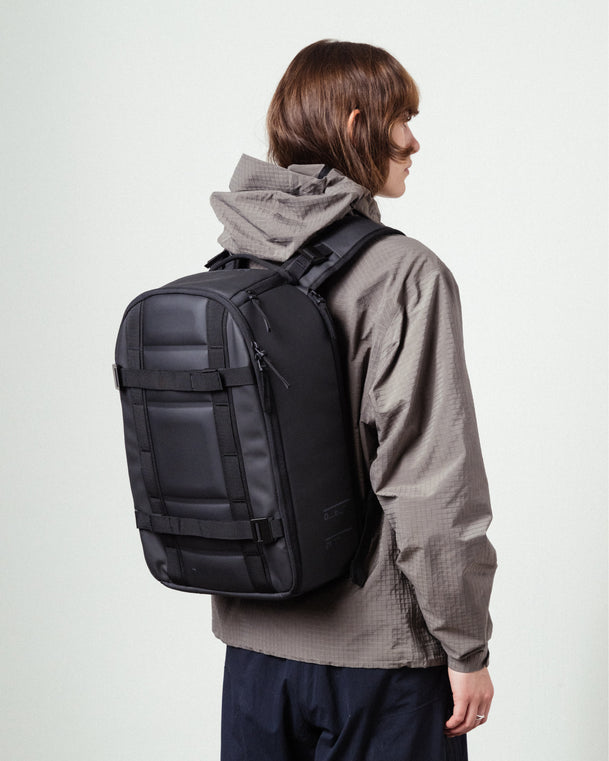
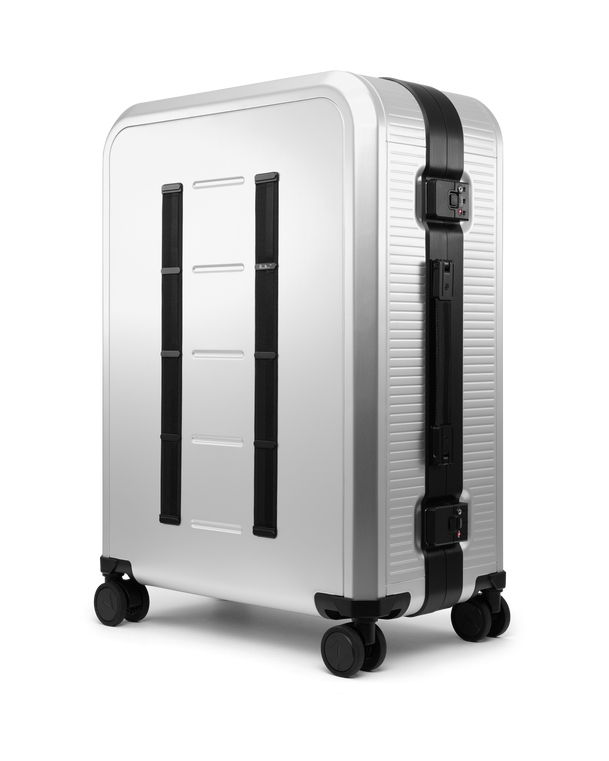
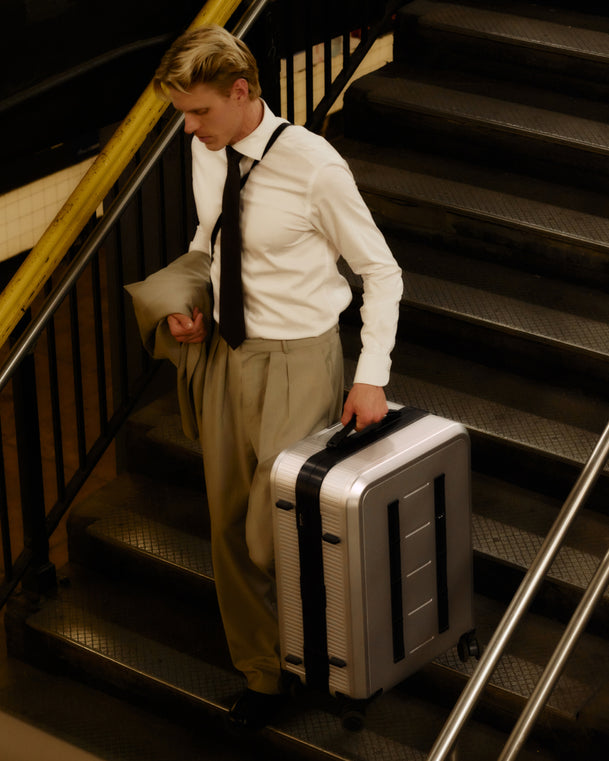
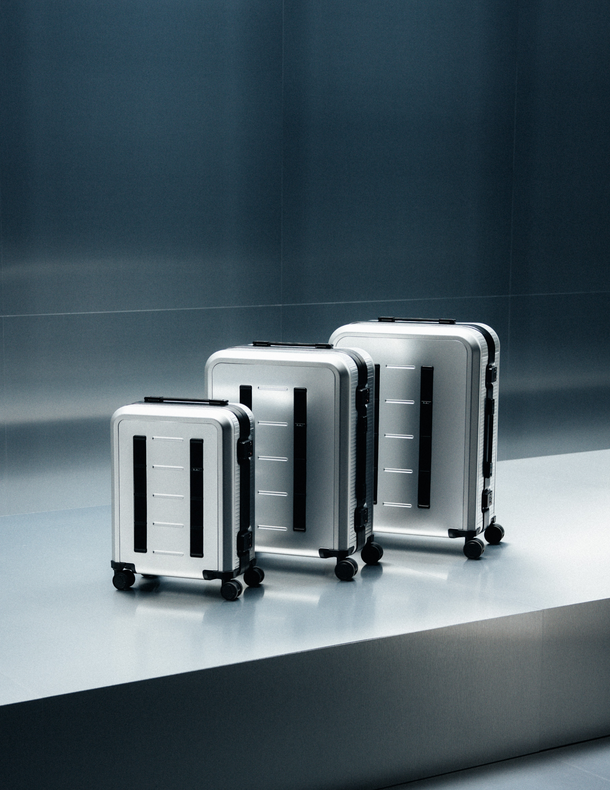


Bring Your Backpack as a Personal Item or as Carry-On.
When traveling, you have the option to bring three different types of luggage: a carry-on, a checked bag, and a personal item. While you can find backpacks that fit into every category, they truly shine as carry-ons or personal items.
Depending on the airline, you can carry a piece of luggage that fits underneath the seat in front of you (a personal item), and a second item that fits in the overhead compartment (a carry-on luggage).
What Is a Carry-On Bag?
A carry-on bag is a piece of luggage that fits in the overhead bin. It's the ideal choice for holding fragile items or gear you need in transit while avoiding the wait at baggage claim. You may also know it as cabin luggage or hand luggage.
Requirements for carry-on bags.
Dimensions and limitations vary by airline, so check their website before flying. In the meantime, we’ve gathered an overview of the requirements from the most popular domestic airlines in the U.S. below.
American Airlines
- Carry-On Size: 22 x 14 x 9 in (56 x 36 x 23 cm)
- Carry-On Weight: No official weight limit
Delta Airlines
- Carry-On Size: 22 x 14 x 9 in (56 x 36 x 23 cm)
- Carry-On Weight: 15 or 22 lb (7 or 10 kg)*
JetBlue
- Carry-On Size: 22 x 14 x 9 in (56 x 36 x 23 cm)
- Carry-On Weight: No official weight limit
Southwest Airlines
- Carry-On Size: 22 x 14 x 9 in (56 x 36 x 23 cm)
- Carry-On Weight: No official weight limit
United Airlines
- Carry-On Size: 22 x 14 x 9 in (56 x 36 x 23 cm)
- Carry-On Weight: No official weight limit
*While most US domestic airlines don’t weigh your backpack, keeping it under 25 lbs (11 kg) ensures that you won’t struggle with the overhead bin.
Bringing your backpack on the plane.
Many travelers bring hard-case luggage as their carry-on, but you can also definitely pack everything in a backpack instead.Most of the time, a carry-on backpack should stick to the dimensions of 22 x 14 x 9 inches and weigh between 8 and 12 kg.

What Is a Personal Item?
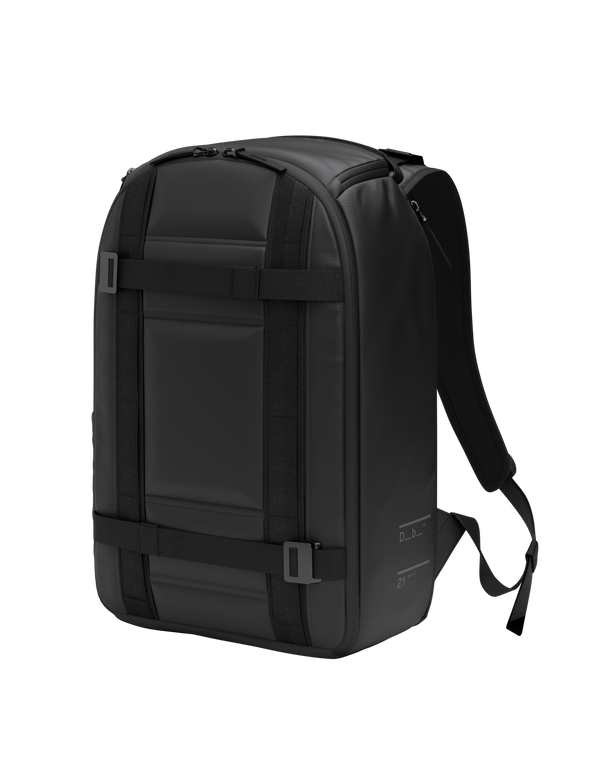
A personal item is a small bag that you bring on a plane that must fit underneath the seat in front of you. This can be a backpack, briefcase, or purse. If you want to bring a backpack as a personal item, you hit the sweet spot if you choose a 20L to 25L backpack.
Remember that the guidelines and dimensions for personal items are often less explicitly defined by airlines than carry-on rules.
Bringing Several Personal Items: Can I Bring a Purse and a Backpack on the Plane?
As mentioned above, the dimensions for personal items aren’t always set in stone. However, gate agents generally enforce a “two-item limit” (one carry-on and one personal item).
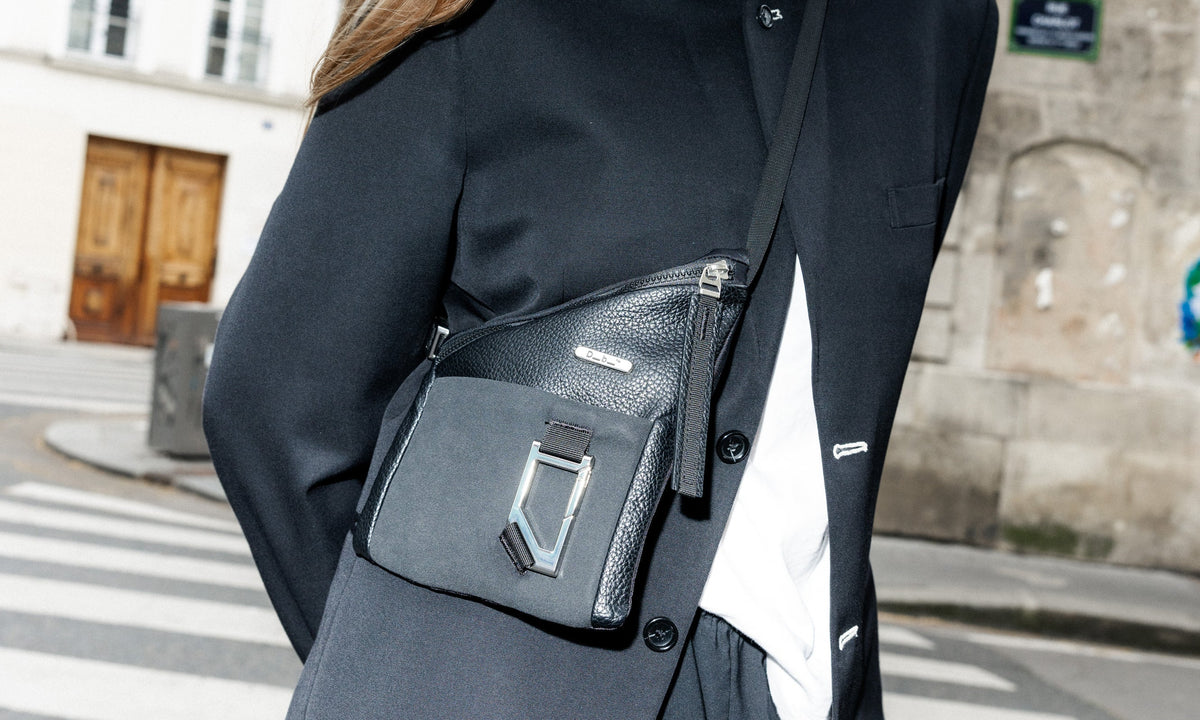
For example, if you bring a small crossbody bag and a small backpack on your back, you’re essentially bringing two personal items. To avoid extra charges or any issues, you should tuck your purse inside your backpack before boarding. Just consider the size of both your purse and backpack, and ensure that your backpack fits underneath the seat in front of you as well.
What Size Backpack Can I Bring on a Plane?
You can bring any backpack that corresponds with the requirements set by your airline for carry-on or personal item luggage. For example, on a Delta flight, a carry-on backpack must stick to 22 x 14 x 9 inches. If you're aiming for a personal item, the limit is usually around 18 x 14 x 8 inches.
Choosing the Correct Backpack.
Choosing the perfect backpack isn’t rocket science, but it’s a science of sorts. First, you should consider the size of your pack. Do you want to carry it as a personal item or would it fall into the category of hand luggage? A personal item must fit under a plane seat, while a carry-on backpack can be bigger as it should fit the overhead bin.
Secondly, you must think about its capacity. Related to size, there are everything from 12L to 100+L backpacks on the market. A 20L to 30L backpack might serve you well when flying, leaving you with enough space to pack without taking up too much room onboard.
The third criteria is the features you want in the backpack. We recommend a clamshell opening for maximum flexibility. A full clamshell reveals your entire main compartment, eliminating the “black-hole” effect of top-loaders. Instead, you can pack faster and access everything you need instantly.
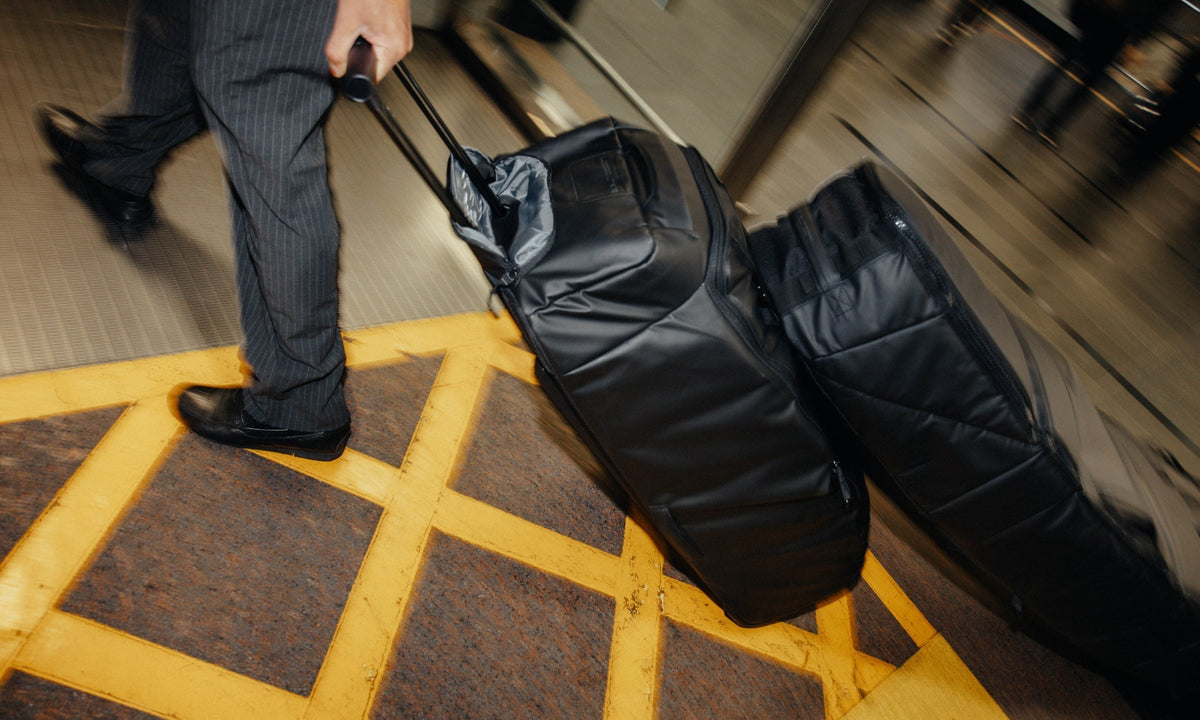
Another selling point to any backpack is a trolley sleeve or another solution that allows you to connect the backpack to your roller bag. We offer a seamless Hook-up System™ for most Db backpacks. This allows you to connect several bags together, easing the way you travel through the terminal. That’s why we say we build backpacks for the Journey.

Before you travel: Tips for Packing the Backpack.
Pack your backpack in a structured manner: Start with the things you don’t need on the plane and pack those things at the bottom of the pack. From there, you should place the heavier items close to your back for better balance and even weight distribution. Finally, you should keep your essentials on top for easy access.
Continue reading: How to pack a backpack for travel
During travel: In Security and on the Plane.
When you’re standing in line in security.
Once you’re at the airport, you want to make sure the process is as smooth as possible. You definitely want to move through security without unnecessary disruptions or delays. Thus, be prepared and pack your liquids at the top of your pack. Your computer should also be within reach.
Liquids and electronic devices.
Depending on which airport you’re at, there’s different regulations for what you need to unpack and place separately in the trays. However, you can stick to some general rules for liquids and electronics.
- Liquids: Limit yourself to 3.4oz or 100 ml per container, organized in a clear plastic bag. 1 bag per passenger.
- Electronics: Laptop should be placed in the bin without a computer case. Place it on top of your outerwear.
Read more:This is how you sail through security
Once you’re on the plane.
Just like you want easy access to your electronics and toiletries when you’re in line for security, you want to have your essentials easily accessible once you’ve boarded and on the way to your destination. Your book, computer, water bottle, or snacks should be within reach so that you can enjoy your in-flight rituals as you should. This applies regardless of whether you’re carrying a backpack as hand luggage or a personal item.
Read more:The unwritten rules of flying
When You Arrive.
You've finally reached your destination and are ready to speed down one of the mountains at the ski resort, or enjoy the sunshine while riding waves. A pro tip is to use your carry-on backpack as your daily workhorse throughout your trip. Whether you're skiing or surfing, you can pack your essentials for daily outings in the backpack.
The beauty of traveling with a backpack is that your trip starts the moment you step off the plane. No need to wait at baggage claim. However, if you’re traveling with an extra set of luggage, you should keep calm and take a page from our book.
Intrigued? Read about how to behave at baggage claim

Our Backpacks are Designed for the Journey.
Our collection of backpacks and rucksacks comes in a range of clean, versatile designs, built for everything from daily commutes to hiking trails and long-haul journeys. Every bag is crafted with attention to detail, from reinforced stitching to durable zippers, ensuring it stands up to years of adventure.
Summary.
- Bring the backpack as carry-on item: It should not exceed 22 x 14 x 9 inches and fit into the overhead compartment.
- Use a backpack as your personal item: It must fit underneath the seat in front of you and not exceed 18 x 14 x 8 inches.
- When choosing your backpack: Consider dimensions (inches) and capacity (litres), look for clamshell openings, and have your eyes peeled for luggage integration (like the Db Hook-up System™)