


Plan a Solo Ski Trip Like a Pro.

Have you ever had a bucket list dream that none of your friends could grasp? Do you dream of carving through powder in Hokkaido or cruising down the mountains of Norway, but you’re missing a partner to share that dream with? Don’t let that stop you. Planning a solo ski trip is the ultimate exercise – and experience – of independence. Here is how to master the logistics before you hit your dream destination.
Making the Case for Solo Skiing.
If you love skiing, chances are you’re going to love skiing solo. Think about it: Most of the time you spend on the mountain is spent alone anyway, from catching turns to riding the lift. You’re already in your own world, skiing to your own pace.
While you might miss the shared laugh over a spectacular fall or an awesome jump,, the trade-off is total autonomy. No waiting for others and no compromising on terrain. There is freedom in riding solo, and you will gain a new sense of joy from tackling challenges on and off the slopes on your own.
Next, we’ll look at the first things to consider when planning your solo ski trip to ensure you make the most of your time alone.

How to Get Started.
Choose a familiar place for your first trip.
As with any new endeavor, start small. Instead of biting off more than you can chew, you can revisit a place you’ve been before. Maybe it’s a resort you’ve visited with your family or a group of close friends. Going back alone will make the experience less intimidating; you’re already familiar with the terrain, the lift system, and the local runs. This makes it easier to step out of your comfort zone in other ways, like getting to know fellow skiers.
Go for fewer days in the beginning.
Staying on the topic of not taking too many risks on your first solo ski trip, we suggest staying for a few days rather than a full week. Naturally, a long weekend is easier to manage than seven days alone – especially if you find you aren’t as comfortable alone as you’d hoped. You might also consider staying local instead of traveling abroad to make the entire experience feel less daunting.
Do research before your first day on the slopes.
Once you arrive at your location, do your research. Study the trail map ahead of time to get a lay of the land. Familiarizing yourself with the lift locations and which runs suit your ability level will ensure you get off to a strong start.
This isn’t just about navigation, it’s also about building confidence in an unfamiliar place. Knowing the shortest route from the lodge to the gondola – and where the best post-ski spots are – will make you feel like a local from the first chair.

Important Factors to a Successful Solo Trip.
Next, we’ll delve into the essential parts of what makes a solo trip great. Some keywords are an inviting hotel or hostel, seamless travel arrangements, practical travel luggage, and being aware of your surroundings.
Accommodation.
Staying somewhere comfortable, central, and safe is paramount when solo traveling. Instead of cutting corners on costs, aim for a hotel, lodge, or a hostel with excellent reviews, ideally within walking distance of the resort. It’s important that it’s not too far from the slopes, as you want to minimize your reliance on public transport or chances of getting lost in a new place.
That said, do what makes you comfortable. You can absolutely go for a budget-friendly accommodation if price is more important to you than distance, especially if you’ve already traveled solo, or aren't anxious about being alone. Who knows, maybe you meet someone else at the hotel or on the slopes that you can spend some time with.
Pro tip: Talk to the hotel staff and build a friendly rapport with them. If it makes sense, you can tell them that you’re traveling alone.

Pack for Your Solo Ski Trip with Db.
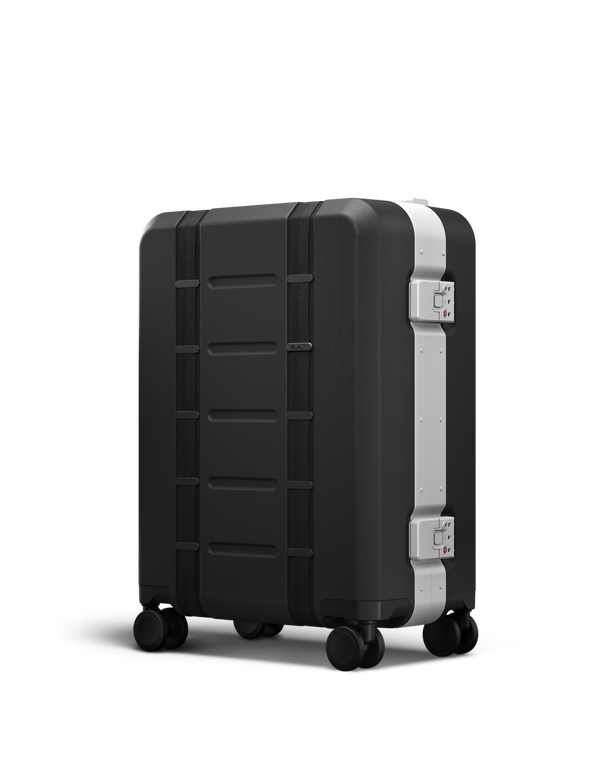
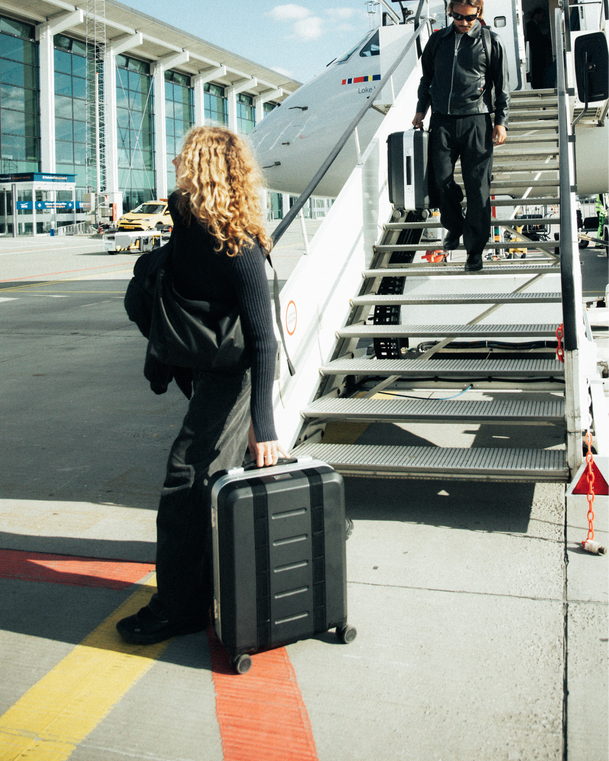
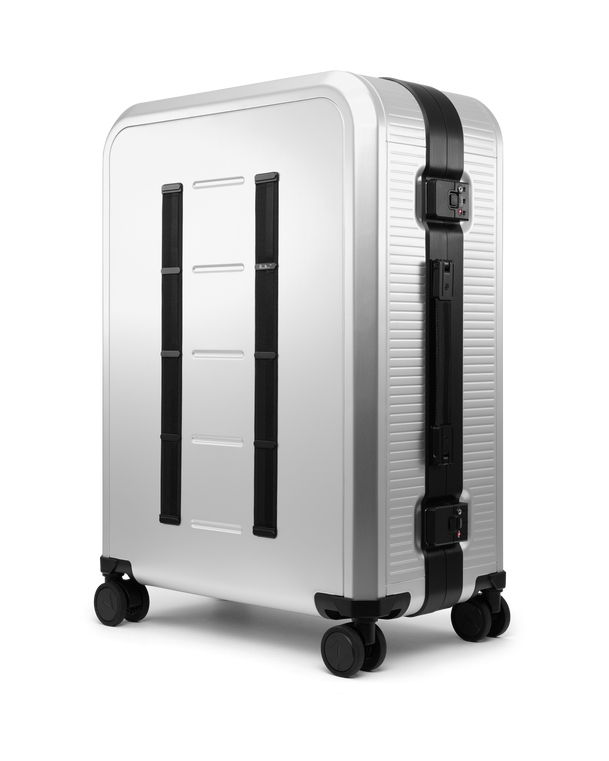
Ski jackets and skiing accessories are no joke. They can be cumbersome to pack and to travel with as they tend to take a lot of space. To make problems worse, if you have to travel with several luggage sets or multiple bags, it can be very hard to handle on your own. That’s why you depend on sleek, practical luggage that can pack all your essentials compactly, which is also easy to keep track of on your solo trip.
The Db Hook-up System is the savior that you didn’t know you needed. This neat system allows you to hook several bags together and alleviates you from the burden of carrying several bags. For example, pack your skis in a ski travel bag, attach it to your roller bag that holds all your daily essentials, and keep your carry-on gear in a backpack.
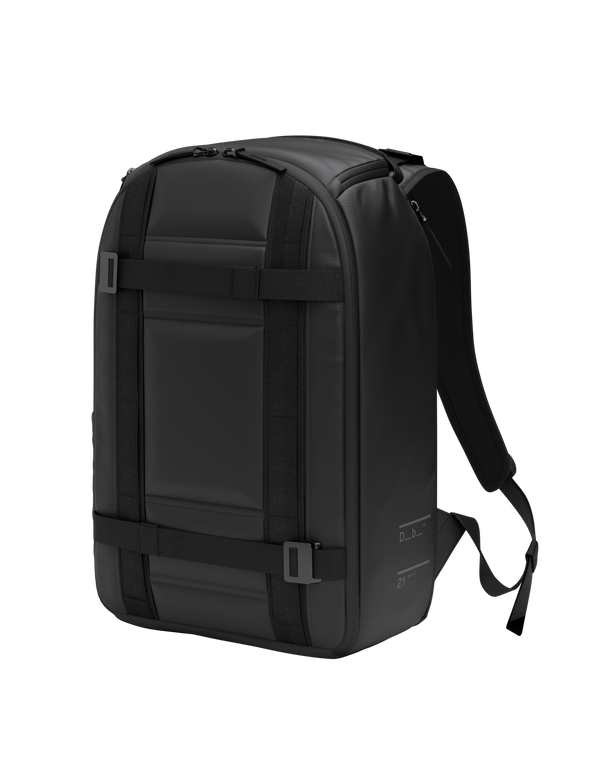
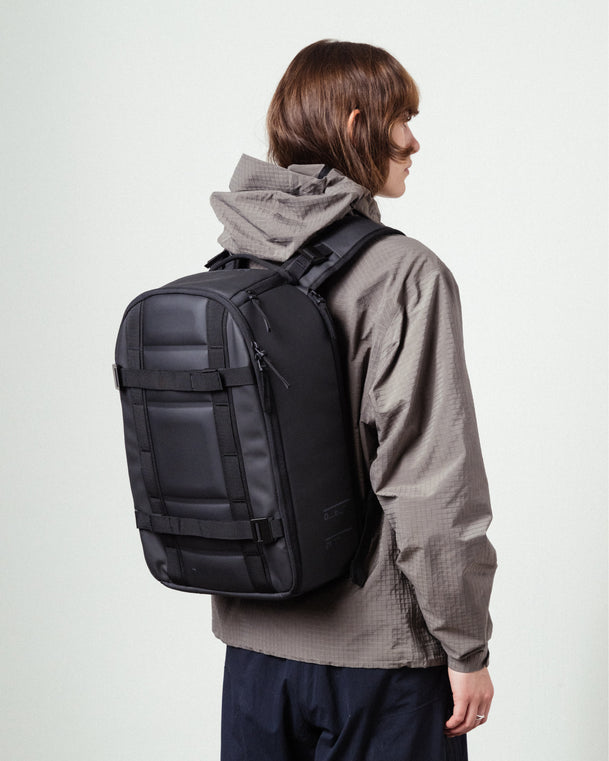
Take full advantage of the ski backpack and bring it along for your ski adventures. On the slopes, it can hold fresh socks, extra layers, or that needed nutritional and hydrational fuel. The ergonomic design of all our Db backpacks make for a good companion, and the sleek features and durable fabric serves many purposes – both on and off the trail.
Instructors or Freeride Camps?
Solo doesn’t mean isolated. Maybe if you’re an intermediate skier and visiting a European ski resort, you can take advantage of ski lessons or booking an instructor. Compared to American ski resorts, these services tend to be less expensive. As a bonus, it’s a great way of combating emotions of loneliness if these start to creep up on you.
However, if you want to save even more Euros and meet some more people as well, you should consider freeride camps. Freeride camps are training programs led by instructors designed to improve your skiing or snowboarding skills and develop even better skills in your preferred ski style. Camps are organized locally at various ski resorts, so we’d definitely recommend doing some research on these if it sounds like something you’d like.

Safety Tips.
We can’t really talk about solo traveling without touching upon some safety concerns. Whenever you’re alone, you might be more on guard than if you were with someone else. You might be very conscious of the fact that you’re alone – and that everyone else can see it too. This might be paranoia, or might be completely valid.
This depends on how comfortable you are being alone, which country you’re visiting, and what you’re used to back home. And sorry to say, but what gender you identify as, your sexuality, or any other identification parameters still impacts your sense of safety. Either way, it’s always a good idea to take precautions and stay aware of your surroundings.
Follow these steps for extra safety.
-
Share your location: Tell friends and family where you are, and perhaps talk to hotel staff and inform them of where you’re going.
-
Explore - but don’t take unnecessary risks: Be adventurous, try new, local things, and talk to strangers. But don’t be stupid.
-
When skiing, don’t go off-piste: The backcountry is not a place to be alone, especially if you’re not used to going out there alone. If the backcountry is calling you, bring a guide.
Practice Solo Traveling.
Finally, we want to say that like any other new habit, solo traveling requires time and patience . This is why you should practice traveling solo before you book your first solo ski trip. Start small, for example by taking yourself out for lunch one day, and build from there. That can turn into a solo day in your local city or town, and from there you can build healthy habits for how you can be comfortable in your own company.
Skiing Solo. What Can Go Wrong.
You want the honest answer? Not much after a bit of preparation. If you can grasp the logistical aspects of the trip, from finding a good transportation route, to booking an instructor, you can easily maneuver any potential mishaps. Yes, you might face a moment of boredom at dinner or feel foreign in an unfamiliar place, but this is part of the journey. This makes checking off your bucket list even sweeter as you’ve proved to yourself that you can comfortably travel solo.
Solo Skier Destinations.
Get some inspiration of where to travel next in our guides to the best American and European ski resorts: