




Everything to Know About Surfing in Costa Rica.

Costa Rica is a rare tropical haven where protected rainforests directly meet world-class surf breaks. With warm ocean water, raw jungle scenery, and consistent swells year-round, it is equally perfect for total beginners and lifelong pros.
The best part is, you can leave your wetsuit at home and simply focus on catching waves. Explore our guide below to find the best spots, seasons, and gear for your trip.
Where to Find the Best Surf in Costa Rica.
With two oceans, Costa Rica offers completely different wave setups depending on which coast you visit. From gentle sandbars to heavy point breaks, here is where to head based on your skill level:
Best Surf Spots for Beginners.
Costa Rica is a great surf destination for beginners because of its soft sanded beaches, warm water, and manageable waves. Check out some of the top spots for newbies:
Surfing in Tamarindo.
Tamarindo is known as Costa Rica’s hub for learning how to surf. The main beach break offers gentle waves perfect for learning how to stand up on your first board.
Playa Carmen and Santa Teresa.
Located at the southern end of Santa Teresa, Playa Carmen offers consistent, manageable beach breaks. High tide creates soft whitewash that is ideal for beginners, while the outer peaks offer steady waves to help you build confidence before moving up to bigger surf.
Playa Sámara.
A laid-back, horseshoe-shaped bay protected by an outer reef that absorbs heavy swell energy. The result is waist-deep, rolling waves ideal for beginners catching their first surf.

Costa Rican Waves for Intermediates.
Costa Rica’s intermediate peaks offer the ideal difficulty level with breaks that deliver consistent, manageable energy allowing you to work on your technique and build confidence.
Playa Guiones, Nosara.
One of the most reliable wave setups in Central America, with an average of over 300 days a year perfect for surfing. It features a wide sandbar that breaks at almost any tide stage, making it easy to practice your turns.
Playa Avellanas.
Located just south of Tamarindo, Avellanas offers a mix of beach breaks and soft reefs with waves of decent size without being too harsh.
Read: A guide to surfing in Florida.
Where to Surf for Advanced Surfers and Pros.
When heavy Pacific groundswells or powerful Caribbean winds hit, Costa Rica’s coastline can transform into the perfect arena for high-performance surfers.
Pavones.
Pavones is world-famous for holding one of the longest left-hand point breaks on Earth. When a solid south swell hits, you can ride a single wave for over half a mile.
Witch’s Rock and Playa Naranjo.
This remote sandbar break sits inside Santa Rosa National Park. Accessible mostly by boat out of Playas del Coco or Tamarindo, it turns heavy Pacific swells into hollow, A-frame waves.
Playa Hermosa, Jacó.
Located just south of Jacó, Hermosa is a heavy beach break known for shifting, powerful peaks and thick barrels perfect for challenging yourself.
Salsa Brava, Puerto Viejo.
Salsa Brava offers Costa Rica’s heaviest waves. You will find shallow, fast reef break over sharp coral that drop straight into thick, Hawaiian-style barrels.
Read more: Surfing in Hawaii.

The Costa Rica Surfing Guide.
Sunshine, tropical water, and year-round swells make Costa Rica a surfer's paradise, but timing your trip right can be game-changing. Here is what you need to know about swell seasons, daily conditions, and packing the right gear before you book your ticket.
When to Go.
-
May to November: The prime window for Pacific swells. Deep south swells light up breaks like Pavones and Witch's Rock with consistent overhead waves, accompanied by clean offshore morning winds and typical afternoon rain.
-
December to April: The Pacific coast's dry season brings smaller, clean groundswells, light winds, and endless sunshine, making it ideal for beginners and intermediate surfers.
-
December to March: The Caribbean coast operates on its own timeline, with heavy groundswells. Heavy reef breaks like Salsa Brava demand expert skills, while nearby beach breaks offer fast, fun waves for intermediates.
Surf Conditions.
Water temperatures generally stay between 79 and 84°F (26-29°C) year-round, so leave the rubber behind and pack light rashguards and boardshorts.
Most Pacific beach breaks surf best on an incoming mid-to-high tide, which stops the waves from closing out on shallow sandbars. Point breaks like Pavones, however, hold their shape across all tide cycles.
Essential Travel Gear.
Getting surfboards across Costa Rica requires gear built for long flights, dirt tracks, and tropical downpours:
-
Surf Roller Pro: A heavy-duty, compressible board bag engineered with internal protection to guard your gear through long flights and uneven roads.
-
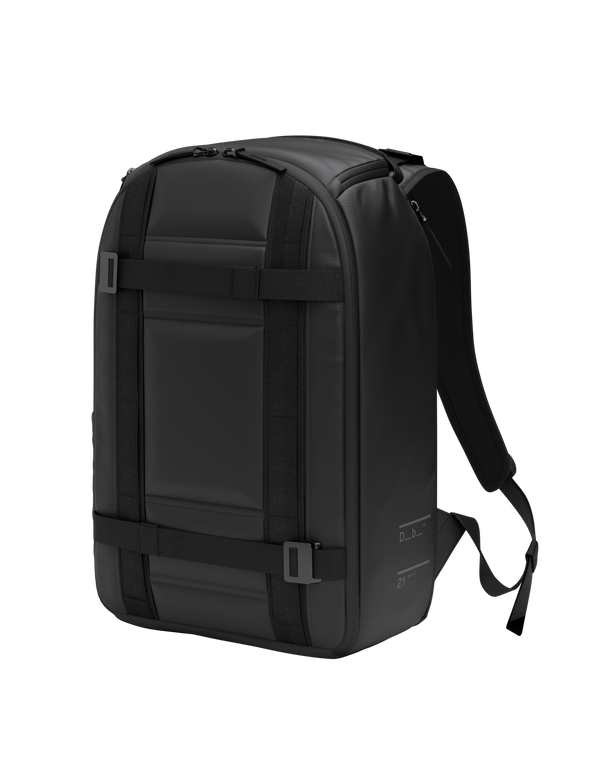
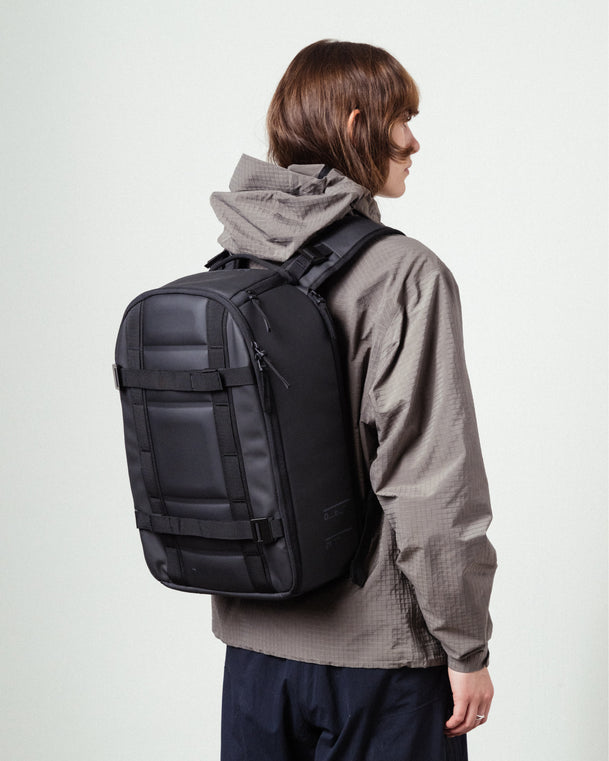
Essential Rolltop Backpack 32L: Built with waterproof fabric to keep your electronics, camera gear, and dry clothes safe during sudden rainstorms and boat transfers out to Witch's Rock.
-
Dry Bag: A durable dry bag to throw in the back of your truck, keeping salty rashguards, wax, and wet fins separated from the rest of your clean luggage.
Read more: 5 Reasons Why Costa Rica Is Surfing’s Ultimate Paradise.
Your Questions Answered.
Which month is the best to surf in Costa Rica?
What is considered to be the best month for surfing in Costa Rica depends on your surf level. From January to March, you can catch small, clean beach breaks and sunshine, making it ideal for beginners. June to August then brings more consistent groundswells to the Pacific coast for advanced surfers.
If you have to choose, July is the ideal middle ground, bringing dry-season sunshine alongside consistent, medium-sized swells for all levels.
How big are the waves in Costa Rica?
Waves typically range from 2 to 4 feet (0.6-1.2m) during the dry season from December through April, making it perfect for beginners.
During the green season in May through November, Pacific groundswells push wave heights up to 4 to 8+ feet (1.2-2.4+ m) with heavy spots like Pavones and Salsa Brava topping 10+ feet (3+ meters) on peak days.
Are the beaches in Costa Rica crowded?
Major surf hubs like Tamarindo and Jacó see heavy lineups and surf schools during peak season, but long beach breaks mean there is still plenty of room to catch waves safely.
Outside of the main tourist hubs, spots like Nosara and Playa Sámara offer wide sandbars and significantly quieter lineups.
What is the local culture like for visiting surfers?
Costa Rica runs on the Pura Vida (“pure life”) mindset, with a welcoming, relaxed attitude that extends directly into the water. Treating local lineups with respect and embracing the slow pace of life will make your trip as rewarding on land as it is in the surf.