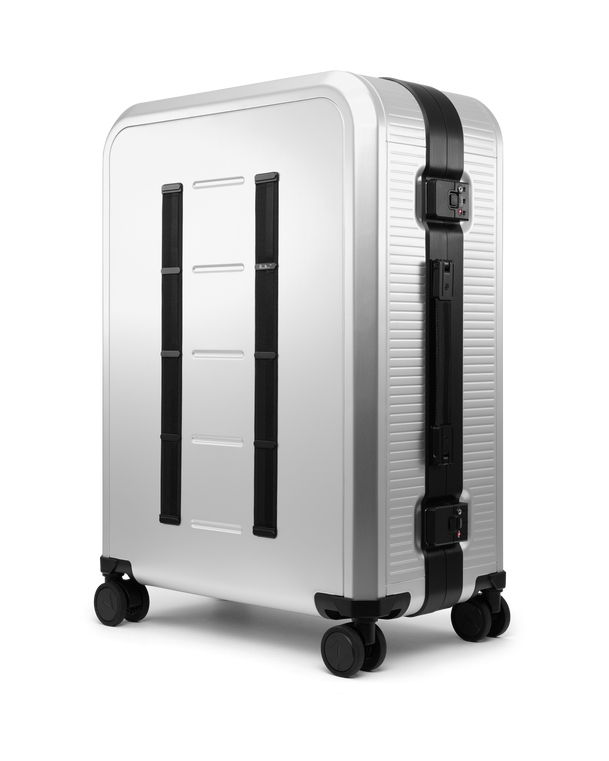
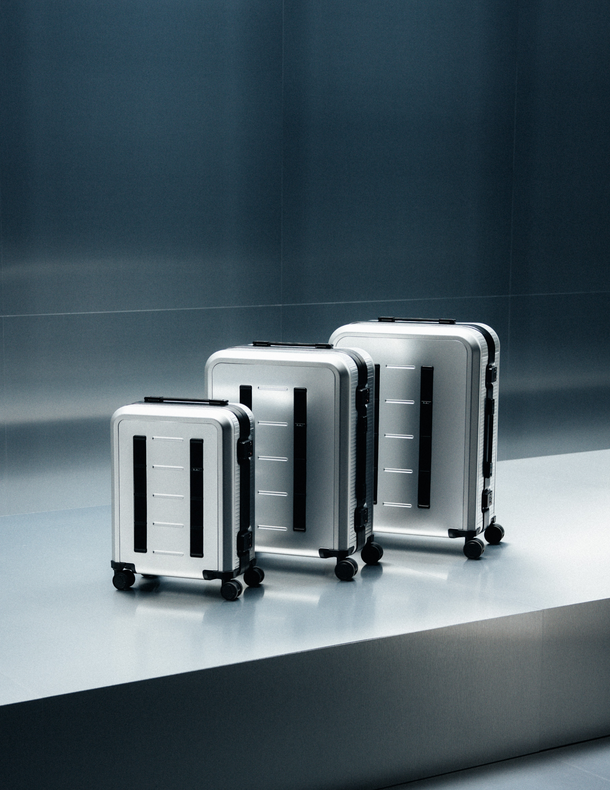
- Bestseller
2.299 NOK
Items not reserved. Complete your order now to secure your gear!
Your cart is currently empty.
Designed in Scandinavia

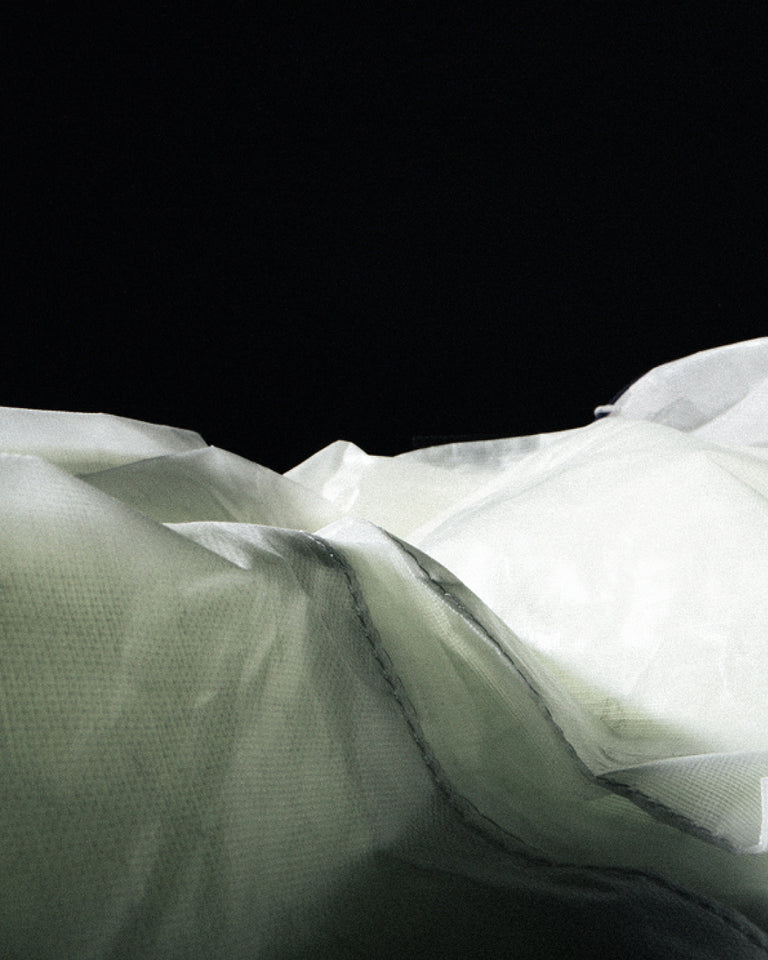
Almost none of it is us. Our offices use water for taps, showers and toilets. The water that matters is upstream, at the mills: turning white fabric into a Db bag takes dyeing, coating and finishing, which are the wettest and most chemically intensive steps in the whole process. They happen mainly in Vietnam, Taiwan, South Korea and China, in regions where water is already under pressure — when it runs short there, dye houses get shut off.
So that's where we put the effort.
None of our products intentionally contain substances the EU classes as of concern or of very high concern. Our restricted substances requirements are part of the code of conduct every supplier signs. Every year we run random checks on finished goods and incoming components to verify that our processes and products comply with our Restricted Substance List.
We can't yet measure most of it. Water data from our supply chain comes from a small number of suppliers reporting through the Higg Index, and the rest is estimated. Wet processing is also the place where we have the least leverage — we don't run those mills, and changing how they dye fabric is a conversation, not an instruction. Both of those are the honest reason our water work moves slower than our climate work.
We don't run a separate biodiversity program. For a business like ours the things that damage ecosystems are climate change, chemicals, water and waste — so we work on those directly rather than adding a headline.
Keep an eye on your inbox for more news and Db Black perks, and don’t forget to mark us as a safe sender so we don’t end up in your spam folder.
Join Db Black for member benefits made for frequent travellers.
Sign up now to receive
Your ExpertVoice deal.
$[Deal Price]
$[Original Price]
Discount applied at checkout.
On sale now — lower than your ExpertVoice discount.
Not eligible for ExpertVoice discount.
You’ll see your ExpertVoice discount at checkout.