



A Guide to Surfing in Florida.

Although many consider Florida a destination for golf, theme parks, and sandy resort beaches, the Sunshine State has produced some of the best surfers in world history – including 11-time World Champion Kelly Slater.
With a long coastline receiving swell from both the open Atlantic Ocean and the Gulf of Mexico, Florida offers a surprisingly rich and diverse wave landscape.
Can You Surf in Florida?
Yes, you can surf in Florida, it is actually a really good place for both beginners and pros, depending on where you go, and at what time. If you want the full experience, the prime surfing season runs from August through April, when hurricane season generates the largest, most powerful groundswells on the Atlantic coast.
Explore: US surfing guide: Best surfing spots.
The Best Places to Surf in Florida.
If you are hunting for the best surf spots in Florida, the East Coast is your primary pick. The Atlantic side acts as a swell magnet, offering everything from punchy beach breaks to hollow inlet waves.
Here are some of the best places to surf in Florida:
1. Sebastian Inlet.
Often considered the epicenter of East Coast competitive surfing, "The Inlet" is famous for its first-peak wedge.
2. New Smyrna Beach.
Known as one of the best surf spots in Florida, New Smyrna offers unmatched wave consistency. It’s arguably the best place to surf in Florida if you want guaranteed rideable waves, though you will be sharing the lineup with plenty of locals and wildlife.
3. Cocoa Beach.
Cocoa Beach is the hometown of Kelly Slater and the iconic Ron Jon Surf Shop. The waves here are generally softer and mellower, making it the perfect spot for longboarders and beginners.

Understanding Florida’s Surf Seasons and Swell Cycles.
To score the best surf in Florida, understanding the seasonal swell window is key. Because the state sits on a shallow continental shelf, swell direction and tide play a huge role in the quality of waves.
1. Autumn (August - November).
This is the peak season for surfing in Florida. With tropical storms and hurricanes passing through the Atlantic offshore delivering groundswells. During this time, the temperatures are warm.
2. Winter and Spring (December - April).
Strong cold fronts pushing down from the continental US bring consistent north and northeast swells. North Florida and Central Florida have their highest consistency waves during these months.
3. Summer (May - July).
The summer months bring warm water and longer flat spells, making it ideal for longboarding, and beginners catching their first waves.
Traveling further? Discover where to surf in Hawaii.

Gear Up for the Florida Swell.
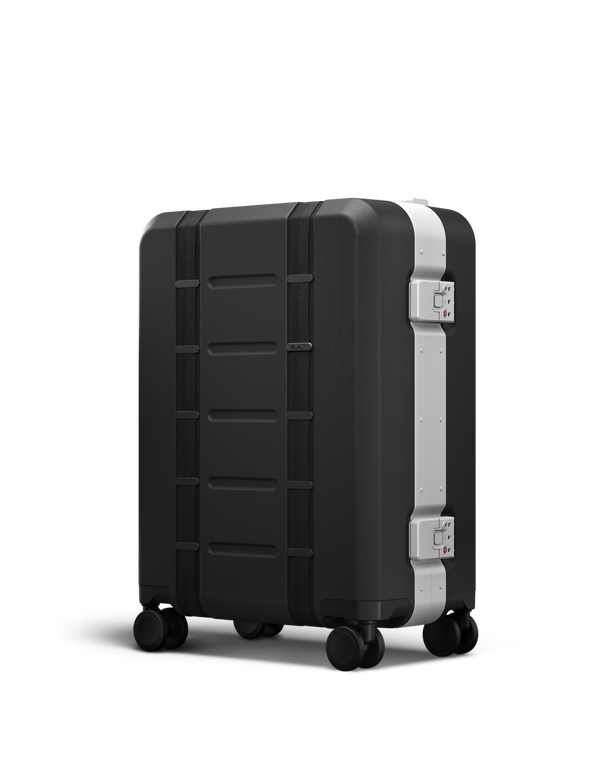
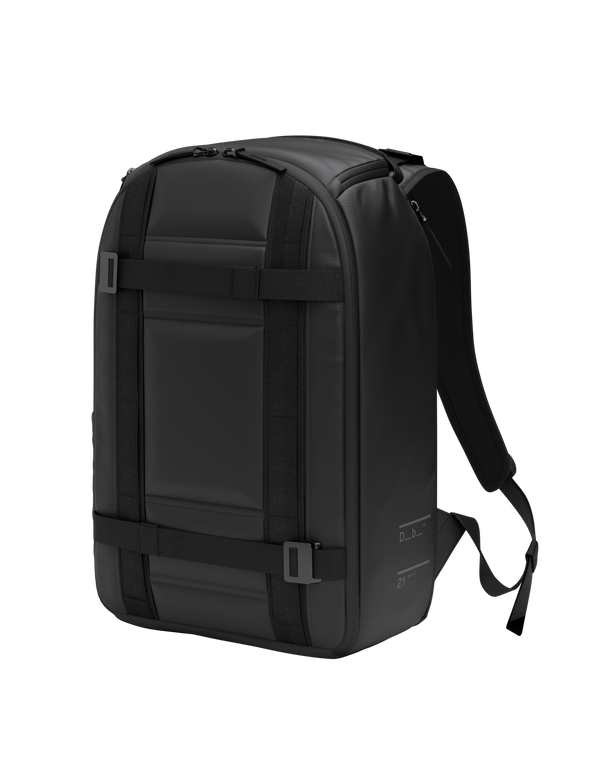
Chasing Florida’s coast requires gear built for mobility. The surf collection combines lightweight Scandinavian engineering with heavy-duty protection. From single sleeves for Cocoa Beach to high-capacity wheeled coffins built for hurricane swell, transport your gear effortlessly through airports and beaches. Pair your board bag with water-resistant surf backpacks featuring compartments for fins, wax, and tech.Check out a video walkthrough of the Surf Roller Pro.
Your Questions Answered.
Do people surf in Florida?
Yes, the state is actually home to a passionate community of surfers. While the summer months can bring some longer flat spells, the hurricane season and winter cold fronts transform the coastline into a surfer’s paradise. Because the state is a peninsula, surfers often road-trip from coast to coast chasing the best conditions.
Which side of Florida is better for surfing?
For year-round waves, stick to the Atlantic Coast in the East. Open-ocean exposure delivers consistent swells throughout the year, where the Gulf Coast in the North relies almost entirely on storms, winter cold fronts, and summer hurricanes to produce consistent and rideable waves.