


What is Ghostworking?
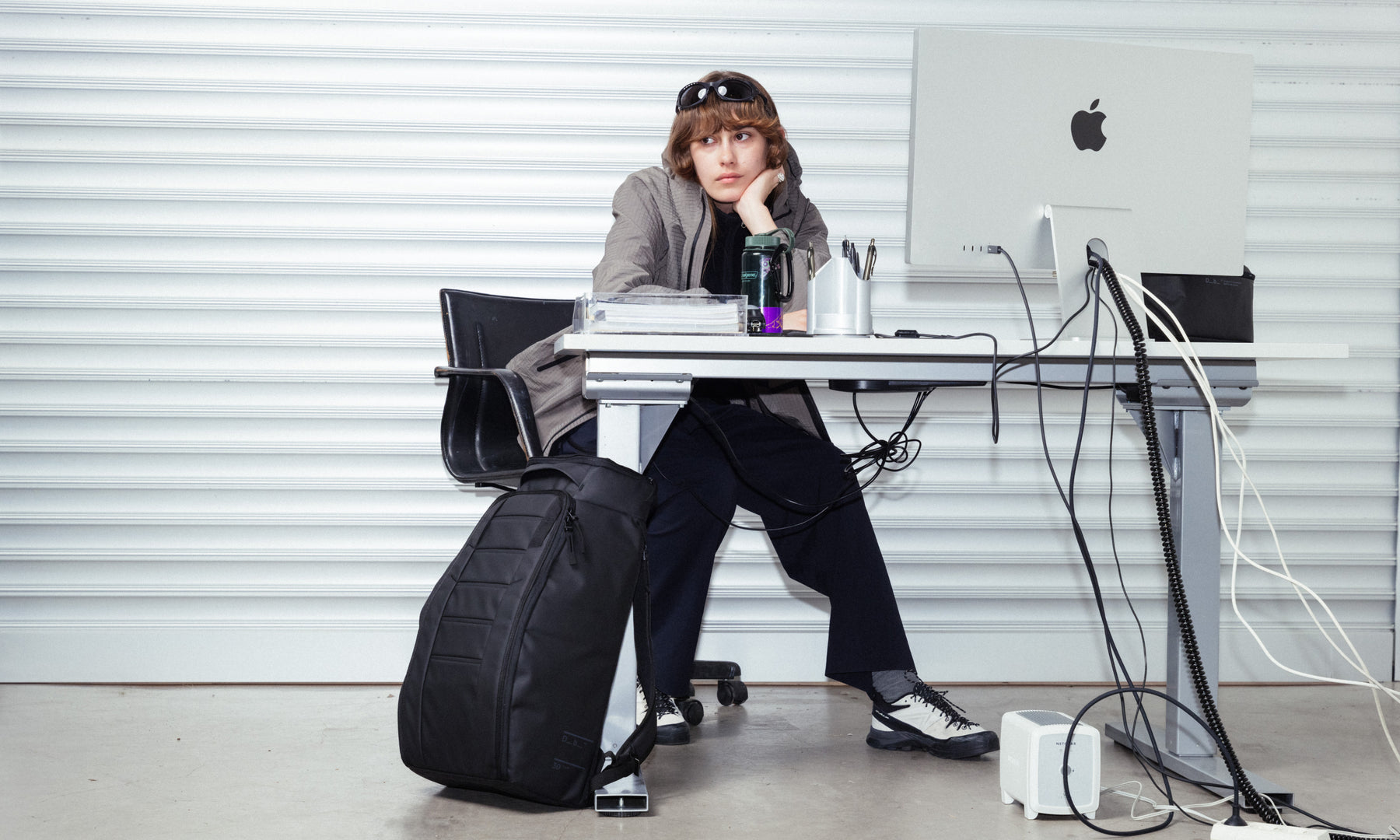
While the terms “ghostworking” or “ghost working” have many meanings, the trending term refers to the act of pretending to work in different ways while not really having tasks to do or while procrastinating. In many ways, it acts as an artificial boundary created by workers who have expectations they simply don't always have the capacity to meet.
Why Are Over Half of Us Playing This Game?
Even though the tactic can come across as lazy, it’s rarely the dominant factor. It’s usually a survival tactic for employees who generally do too much.
When a company cares more about what you do each minute of the day, rather than actual, meaningful output, they are monitoring instead of managing. Employees quickly realize that looking busy keeps the peace, while finishing their work early just gets them rewarded with more work. So, by stretching a two-hour task across a whole day, they also create an artificial boundary.
Are You Pretending to Be Busy at Work?
As ghostworking entails not actually working, there are some industries where this isn't really possible. But let’s be honest, ghostworking has existed as a phenomenon for a long time, and you can get away with it in almost any job. Anyone who has ever survived a retail shift knows the classic trick of hiding in the stockroom to "check inventory" for an extra ten minutes.
But physical ghosting takes a lot more effort than ghosting in a typical creative office job, where your mind is constantly producing, and you need to catch a break by moving the mouse and clicking the keyboard.
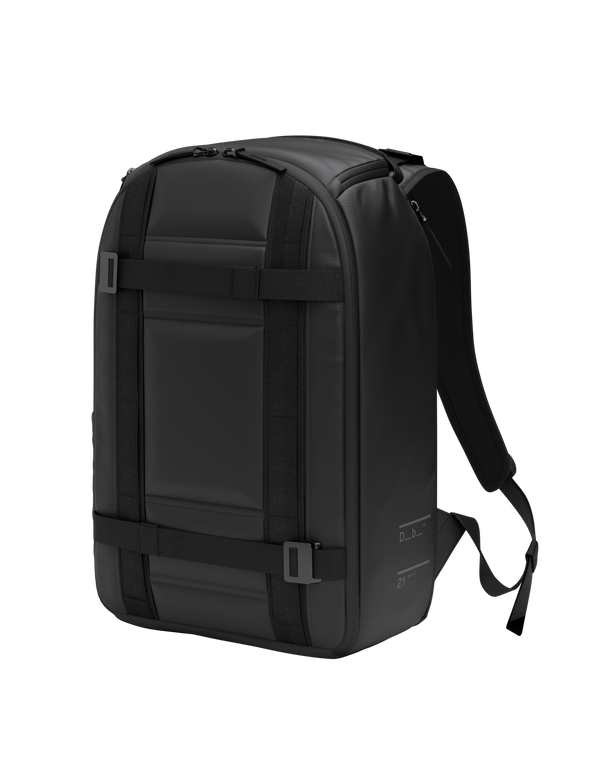
After all, it’s hard to escape when a customer is staring you in the face, and significantly easier when your workspace is a laptop. All you need is a protective laptop bag or a sleek commuter backpack, and your ghostworking can take place wherever you decide.

Common Tactics to Look Busy.
Because many modern workspaces have shifted from physical desks to digital solutions, the tricks for pretending to be busy have evolved. If you’ve ever found yourself doing any of the following, you’ve mastered the art of the illusion.
The Active Status.
Keeping your chat window open and frequently moving the mouse on platforms like Slack or Teams just to avoid appearing "Away" is the digital way of leaving your jacket on your chair while you grab a long lunch.
The Pacing Walk.
In hybrid or physical office spaces, this is the art of walking purposefully down corridors or carrying your tote with a notebook or folder to create the illusion of a packed, urgent schedule.
The Vague Excuse.
Claiming to be on a tight deadline or working on a project when approached by upper management, effectively buying yourself a few hours of mental peace.
How to Stop Procrastinating at Work.
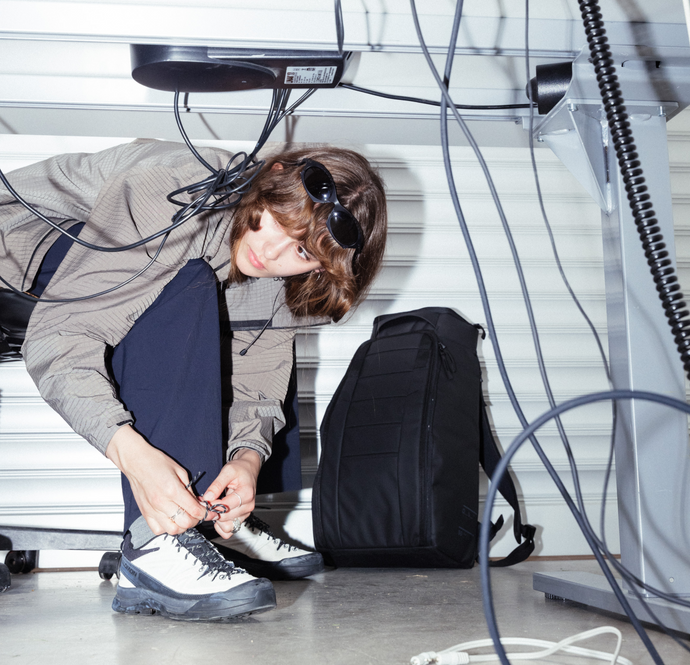
If ghostworking is the symptom of a broken system, procrastination is often our personal reaction to it. When we are drowning in digital noise, endless notifications and the pressure to perform, our brains naturally look for an escape.
To break the cycle while maintaining your breaks, you have to shift from surviving the workday to owning it. Here is how to stop procrastinating and start producing meaningful work.
1. Shift to "Deep Work" Blocks.
Procrastination thrives on constant interruption. When your day is fragmented by notifications and emails, it’s hard to find the motivation to start the next project.
Block out 90-minute windows in your calendar for uninterrupted, deep focus. Close your email, turn off notifications, and dive in. You'll accomplish more in one focused block than in an entire day of distracted multitasking.
2. Skip the "Green Dot" Anxiety.
The pressure to always appear online is a massive driver of both performative work and procrastination.
Let your team know you are closing chat apps for the next two hours to focus on a deliverable. When you remove the anxiety of the instant reply, the urge to procrastinate fades.
3. Tie Tasks to Freedom.
In a traditional corporate mindset, finishing work early just gets you more work. To beat procrastination, you need to create your own reward system that values your efficiency.
Pack your essentials, head to a coffee shop or a creative space, finish your goals for the day, and then actually stop. Use the time you saved to get outside, move, or plan your next adventure.
Your Questions Answered.
Why am I procrastinating?
Procrastination is rarely a sign of laziness, but actually more often a sign of emotional regulation. When you feel overwhelmed by a massive project or paralyzed by a fear of failure, your brain naturally seeks an escape hatch. To fix it, you need to eliminate distractions and focus on one thing at a time.
What is a ghost employee?
While ghostworking is just pretending to work, a "ghost employee" is a corporate fraud scheme. It involves keeping a fake or former worker on the payroll.