



What to Consider When Surfing in California.

Planning to catch waves in California? Getting the best out of the coast takes a bit of planning. From water temperatures and seasonal swell patterns to local lineup etiquette, a few key factors can turn a decent session into an unforgettable one.
These Are the Best Surf Spots in California.
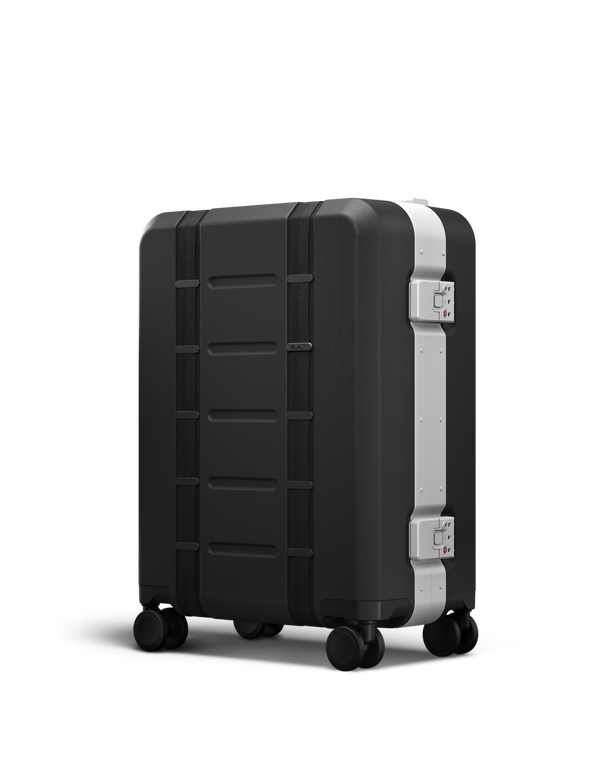
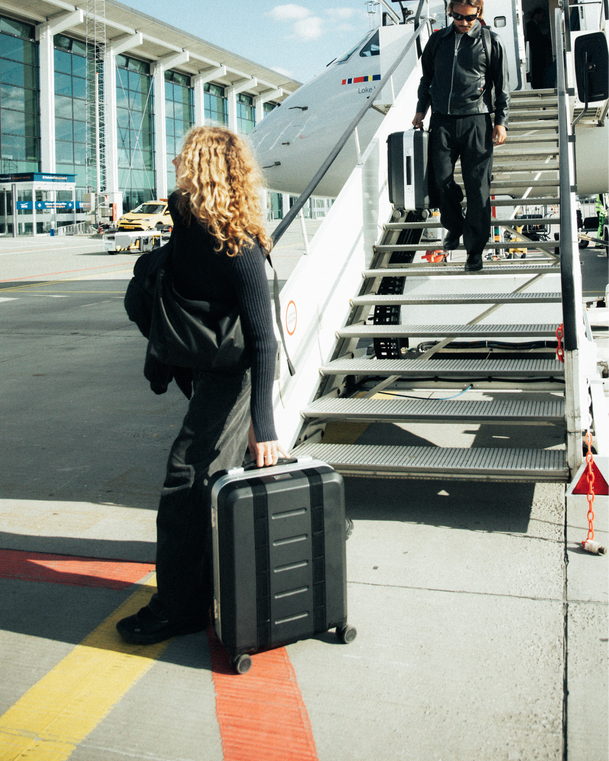
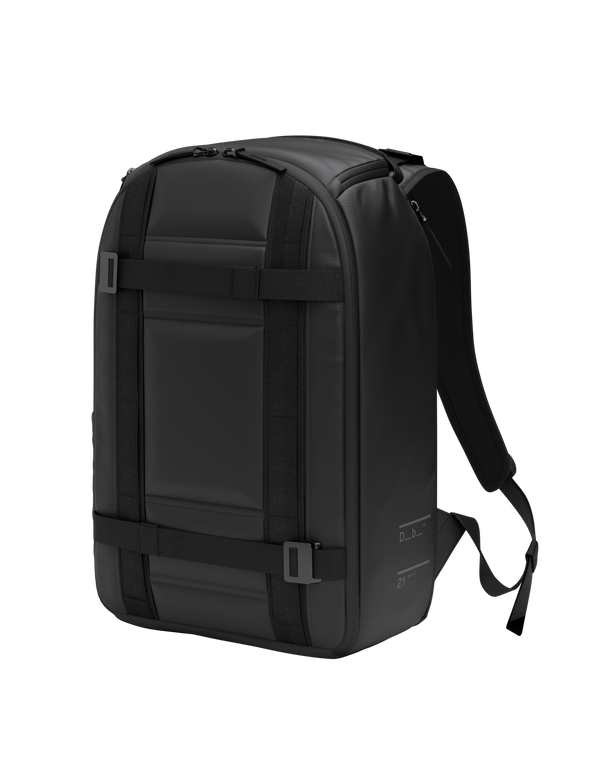
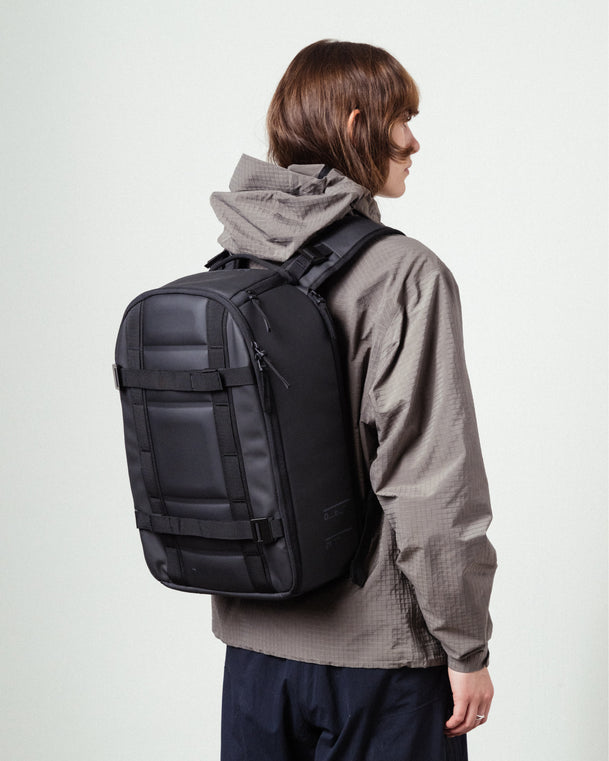
With a rich surfing culture and a coastline sculpted for ocean swells, California offers world-class breaks along the entire coast. Whether you are a tourist traveling with your travel bag, or a local grabbing your surf backpack for a quick session, here are seven of the state's best surf spots, ranging from beginner-friendly to professional.
Cowell's (Santa Cruz).
Located just inside the point from Steamer Lane, Cowell's is a sheltered, gentle break. Its soft, long-riding waves make it one of the premier places in the state for beginners.
San Onofre.
With mellow, beginner-friendly rolling waves paired with a classic, laid-back beach vibe. "Old Man's" is the go-to spot for soft waves and a relaxed surf culture.
Malibu.
Malibu is widely considered the historic heart of West Coast surf culture. The beach is divided into three main surf zones (First, Second, and Third Point), with First Point being the most famous peak.
It is known for creating exceptionally smooth, predictable waves that peel gently across the bay during summer south swells, making it a dream spot for newbies.

Rincon (Santa Barbara).
Nicknamed "The Queen of the Coast," Rincon is famous for delivering some of the longest rides in the US. During the winter, a single wave can sweep around the point and carry a surfer for up to a quarter-mile down the beach.
Since it offers such extended rides, it attracts huge crowds of skilled local surfers whenever a winter storm rolls in, making this spot better for intermediate and skilled surfers.
Lower Trestles (San Clemente).
Trestles is famous for its very clean, consistent waves that break evenly to both the left and right. Its reliable shape and soft ocean floor make it a favorite for intermediate and advanced surfers.
The lineup is heavily crowded and extremely competitive, packed with pros and top local talent, making it an intimidating place to learn.
Steamer Lane (Santa Cruz).
Steamer Lane delivers heavy, high-performance waves for advanced surfers and hosts major competitive events. Its cold water, steep drop-offs, and rocky hazards make this a spot strictly for skilled surfers.
Mavericks (Half Moon Bay).
When massive winter swells roll in, waves here reach 50 to 70 feet (15 to 21 meters) over a dangerous reef, making it the most difficult surf spot on the coast, perfect for professional surfers looking to improve their skills.

Surfing in California for Beginners.
California has world-class surf for everyone, but it requires picking the right beach. Skip the famous point breaks and stick to sheltered, sandy beaches like San Onofre, Cowell's, or Mondo's to learn safely without battling heavy crowds.
Must-Knows for Surfing in California.
To get the most out of surfing in California, a few quick realities will help you plan your sessions:
-
Wetsuits are key: Plan on a 3/2mm suit for SoCal and a warmer 4/3mm for Northern California's chilly waters year-round.
-
Expect company: Iconic breaks draw crowds, particularly during the early morning window when the winds are high.
-
The Northern trade-off: Driving north past Point Conception offers quieter lineups, but comes with colder water and a wilder ocean.
-
Mind the marine life: You'll share the ocean with local wildlife. Shuffle your feet along sandy bottoms to avoid stepping on hidden stingrays, and while sharks are present along the coast, severe incidents are extremely rare.
Gear Essentials.
Surfing California’s coast requires more than just a board and a wetsuit. Having the right organization, and using dry bags to keep wetsuit, cold-water booties, and sandy gear separated from your dry clothes keeps your post-surf transition seamless.
Explore our surf collection for travel-ready packs and surfboard bags.
When to Surf in California.
-
Summer (June - September): South swells light up Southern California’s point breaks like Malibu. Expect warmer air, softer waves, and heavy lineup crowds.
-
Winter (October - March): Powerful North swells sweep down the coast, bringing world-class waves to Rincon, Steamer Lane, and heavy big-wave action to Mavericks.
Californian Lineup Etiquette.
California lineups are very competitive. Always respect priority as the surfer closest to the breaking peak has the first priority. If you are learning, stick to designated beginner beach breaks like Cowell's or San Onofre to avoid collision risks.
“In California, you really get to experience a bit of everything, from cold, heavy reef breaks up north to super iconic point breaks in Southern California. Navigating crowded lineups comes down to respecting the local rhythm, staying patient, and reading the ocean carefully. When a good swell hits, being in the right spot at the right time makes all the difference."
– Frankie Harrer, Southern California Pro Surfer and Db Ambassador.
Explore More.
Your Questions Answered.
Where did surfing start in California?
Surfing started in Santa Cruz, California, in the summer of 1885 when three young Hawaiian princes were attending a military school in San Mateo and vacationing in Santa Cruz.
Does California have good surfing?
Yes. California is one of the world's top surfing destinations, with a long coast and waves for every skill level. Although it is great for surfing, the water is generally cold year-round, and some parts are best for skilled surfers.