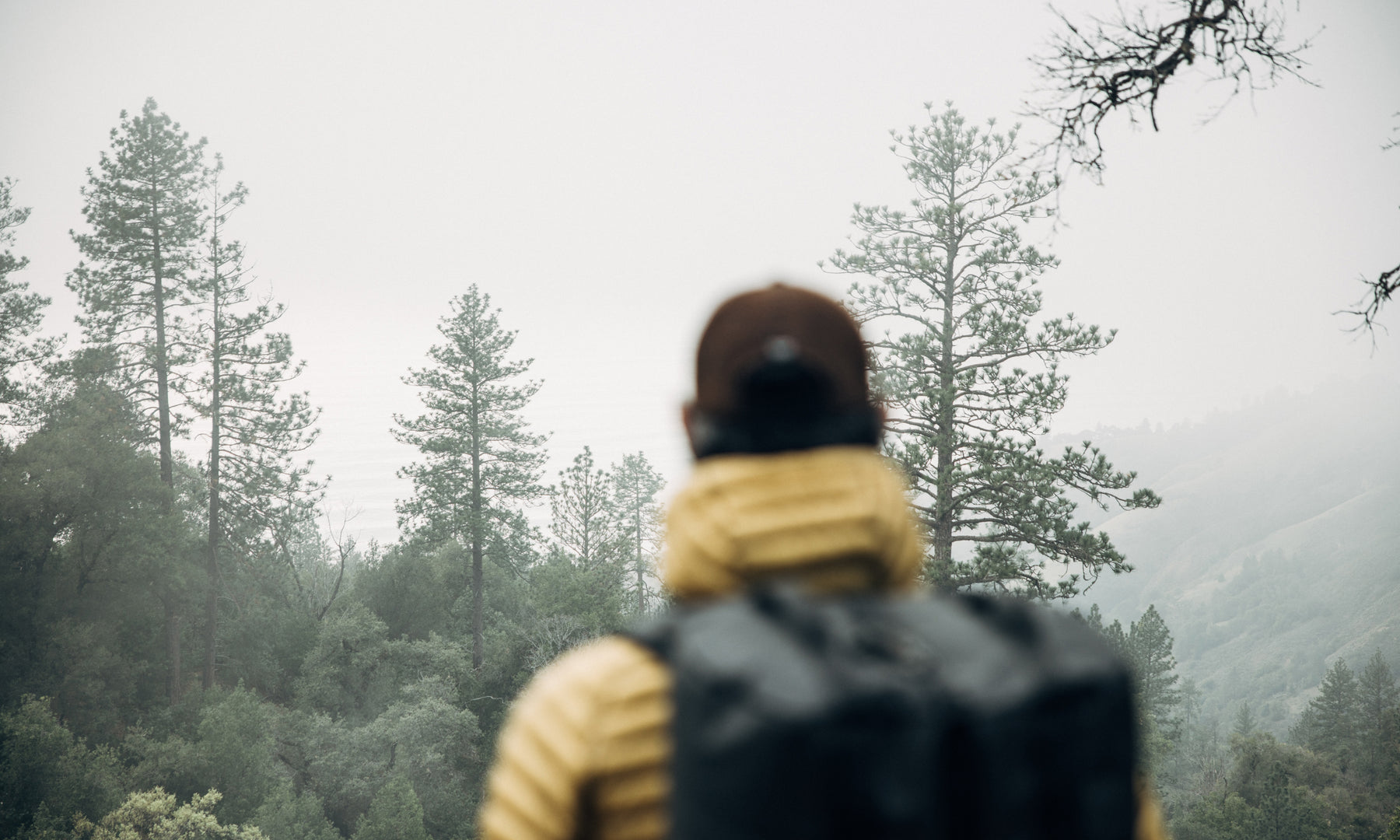
Backpacking Explained.
Backpacking is a broad term that simply means carrying everything you need in a backpack. Today, however, it is most commonly associated with a travel style where you travel with only the essentials on your back.
In this guide, we will focus on backpacking as a form of independent travel, exploring foreign places with only a backpack, often on long adventures and frequently solo. It is a way of traveling that values freedom, flexibility, and simplicity, allowing you to move easily from place to place while experiencing the world closely.
What are the Best Backpacking Routes?
The best route for backpacking depends on your budget, travel experience, interests, and how much time you have. Some travelers prefer beaches and nightlife, while others seek hiking, culture, food, or remote adventures. Backpacking is ultimately about freedom: choosing your own path and discovering the world at your own pace.
Southeast Asia: The Classic Backpacker Route.
Countries like Thailand, Vietnam, Cambodia, and Laos form one of the world’s most popular backpacking destinations. The region is known for cheap transportation, vibrant street food, tropical islands, and lively hostel culture. It is often considered the ideal destination for first-time backpackers traveling in groups or solo.
Europe by Rail.
Backpacking across Europe offers incredible variety in a relatively small area. Routes through Portugal, Spain, Italy, Germany, and the Czech Republic are especially popular. Europe can be more expensive than Southeast Asia, but excellent train connections and diverse cultures make it one of the most rewarding backpacking destinations many choose to visit.
South America: Adventure and Nature.
For travelers seeking dramatic landscapes and adventure, Peru, Bolivia, Chile, and Argentina offer unforgettable routes. Backpackers can explore the Andes Mountains, trek to Machu Picchu, visit salt flats, glaciers, and vibrant cities, all while meeting other travelers from around the world.
Australia and New Zealand.
Australia and New Zealand are famous for road trips, outdoor adventures, and working holiday opportunities. Backpackers often travel along Australia’s east coast or explore New Zealand’s mountains, lakes, and hiking trails. These destinations can be more expensive, but they are ideal for nature lovers and long-term travel.
Discover more destinations: Best places for solo travel.
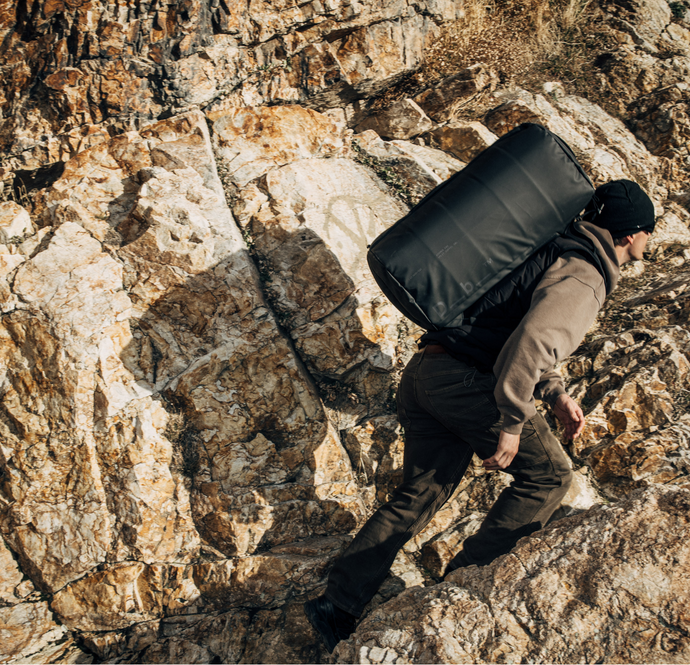
Backpacking Tips for Beginners.
Starting your first backpacking trip can feel overwhelming, but with the right preparation, it becomes one of the most rewarding ways to travel. Here are some essential backpacking tips for beginners.
1. Pack Light.
One of the biggest mistakes first-time backpackers make is overpacking. Bring only what you truly need and focus on versatile clothing and essentials. A lighter backpack makes traveling easier, cheaper, and far more comfortable.
2. Organize Your Backpack.
Before packing, lay everything out so you can see exactly what you are bringing. Use packing cubes or small organizers to separate clothing, electronics, and toiletries. Since many hostels do not provide closets or storage space, staying organized inside your backpack is essential.
3. Keep Important Items Accessible.
Always keep essentials within easy reach. This includes your passport, wallet, phone, charger, water bottle, snacks, and travel documents. Quick access saves time and reduces stress while traveling.
4. Bring the Right Gear.
When packing, focus on versatile essentials that serve multiple purposes, and remember that most forgotten items can be purchased along the way.
Your gear should include weather-appropriate clothing, basic toiletries, and a few key electronics such as your phone, charger, power bank, and travel adapter. When possible, choose lightweight, compact, and travel-sized versions to maximize space and minimize weight.
Backpacking is all about freedom and flexibility. The lighter your pack, the easier it is to move between destinations, navigate new cities, and embrace unexpected adventures without being weighed down by unnecessary gear.
Tip 5: Stay Safe, But Challenge Yourself.
Backpacking is often about stepping outside your comfort zone, but that doesn't mean taking unnecessary risks. If you're exploring unfamiliar trails or remote areas, avoid hiking alone unless you're experienced and have properly prepared. Always let someone you trust know your plans and location.
At the same time, don't be afraid to push yourself. Some of the best backpacking memories come from trying something new, visiting places you never expected, and stepping out of your comfort zone.
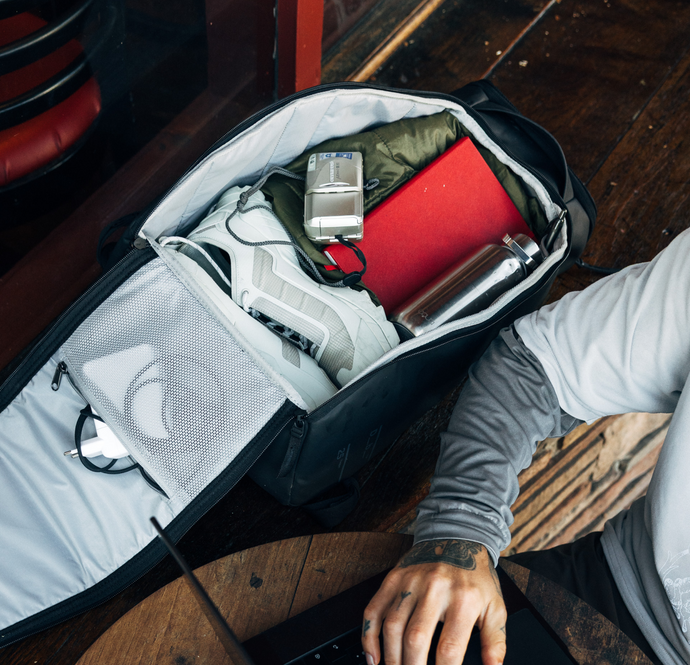
Beginner Backpacker Packing List.
We have gathered the essentials for your backpacking trip. Here is a packing list focusing on remaining lightweight while remembering the most important gear:
- Lightweight shirts and pants.
- Underwear and socks.
- A technical layer or fleece.
- A rain jacket.
- Comfortable walking shoes.
- Sandals.
- Swimwear.
- Toothbrush and toothpaste.
- Shampoo and soap.
- Sunscreen.
- Deodorant.
- Towel.
- Basic first aid kit.
- Passport and important documents.
- Phone and charger.
- Power bank.
- Universal travel adapter.
- Headphones.
- Camera gear (optional).
How to Choose a Backpacking Backpack.
Choosing your first pack is the ultimate turning point of your trip. A great travel pack should feel like an extension of your body that moves with you. Here is exactly what to look for to find your perfect match.
Size & Fit: 50L-60L.
For standard backpacking, a 50- to 60-liter bag is the ideal sweet spot. It is large enough for longer journeys but streamlined enough to keep you agile in any environment.
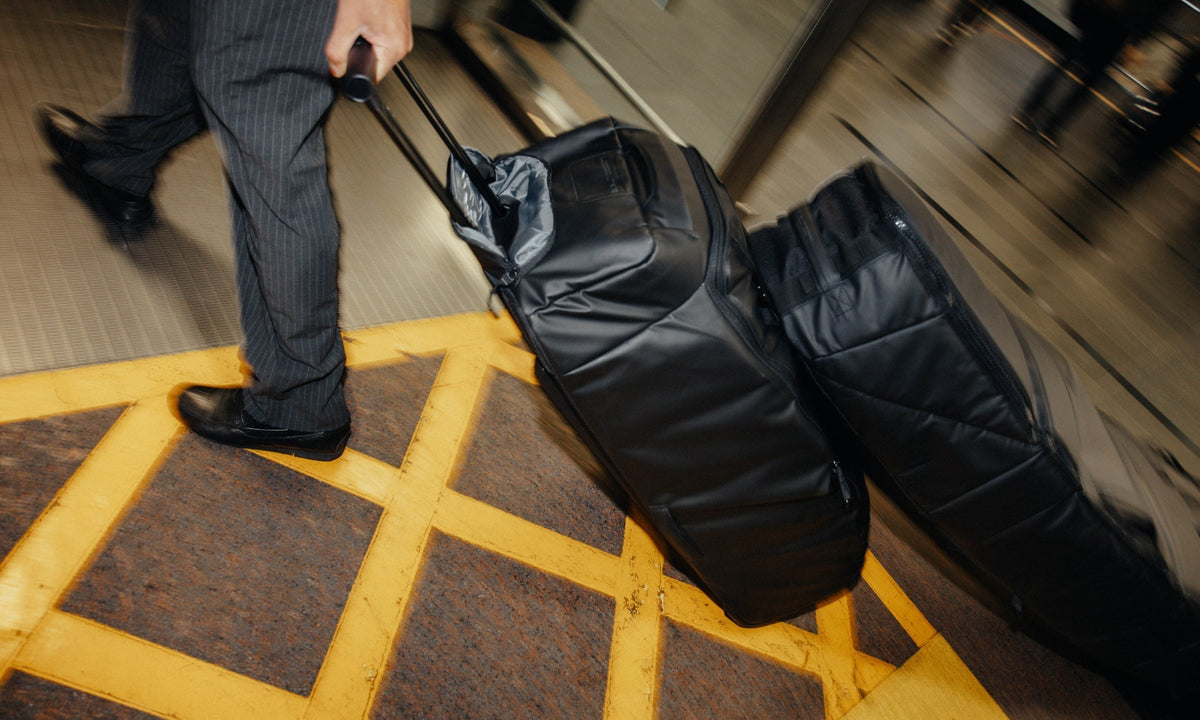
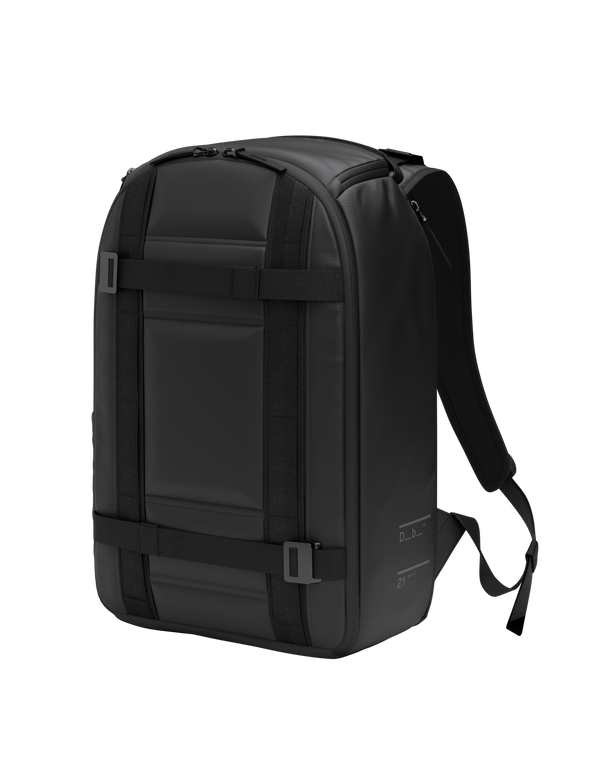
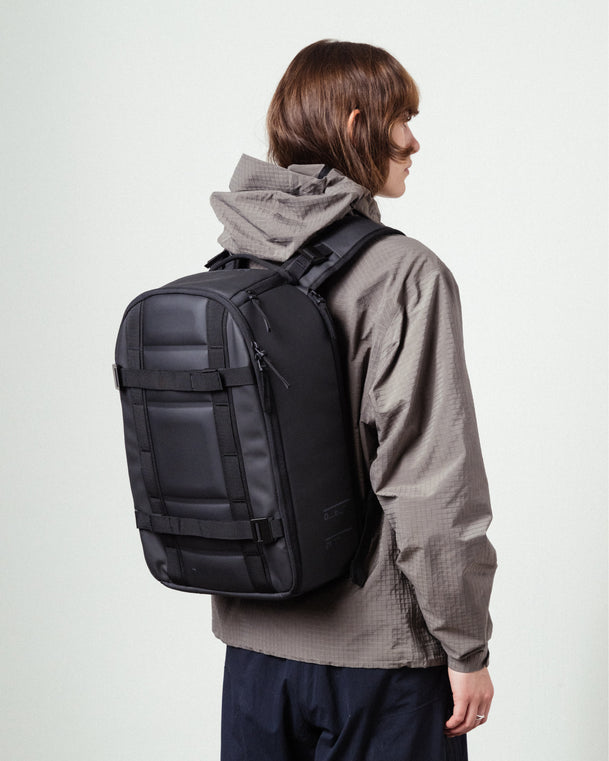
- The Roamer Pro Split Duffel 50L is the backpack version of a suitcase, allowing you to split it open like luggage, making it easy to find exactly what you need at any time.
- The Roamer Duffel 60L is a weather-resistant backpack with a large main compartment to fit everything for your adventures.
Accessibility & Hardware.
Traditional hiking packs open strictly from the top, forcing you to explode your entire bag onto a hostel floor just to find a clean shirt. For seamless travel, look for split-opening or side-access designs that let you open the bag like a suitcase for instant visibility.
Since travel is tough on gear, always inspect the hardware and make sure the backpack is robust, with heavy-duty zippers and impact-resistant buckles.
Your Questions Answered.
What is considered ultralight backpacking?
Ultralight backpacking is generally defined as carrying a base weight of less than 10 pounds (4.5 kg), where the base weight includes all gear and equipment but excludes consumables such as food, water, and fuel. The concept focuses on reducing pack weight by carrying only essential items, choosing lightweight materials and gear, and using equipment that serves multiple purposes.