

The Long Commute: Mindfulness Tips for the Driver.
When you’re behind the wheel, the commute can easily feel like just another chore. Between school drop-offs, traffic, and navigating the morning rush, gripping the steering wheel often leads to tight shoulders, which builds up tension that follows you through the workday. With a few simple shifts, you can transform your daily drive into a peaceful part of your day.
1. Box Breathing.
Box breathing is a simple way for stress relief where you inhale, hold, and exhale, just like tracing the four sides of a square.
- Up the left side: Breathe in deeply through your nose for a count of 4.
- Across the top side: Hold your breath for a count of 4.
- Down the right side: Exhale slowly through your mouth for a count of 4.
- Across the bottom side: Hold your lungs empty for a count of 4.
When driving, make sure to continue deep breathing through your nose and exhaling through your mouth if you feel tension building.
2. Mindful Awareness.
Being present may sound like a cliché, but when you really think about it, our minds are almost always dwelling on future tasks or past memories. If you find yourself raging at traffic or already going through your office to-do list, pause and focus on the now. Give yourself permission to be exactly where you are. The traffic won’t magically speed up just because you're stressing over it, and your work will still be waiting for you when you arrive.
Listen to your favorite podcast, tune into the sound of the engine, and feel the support of the seat beneath you. This commute isn't lost time, but a valuable part of your day.
3. Relax Your Muscles.
Grabbing the steering wheel a little too tightly, or holding down the brakes in a slow-moving queue for an hour straight will eventually strain your body. Remember to let your shoulders drop, relax your jaw, and consciously release the tension in your muscles.
Something as simple as letting the sunshine hit your face through the windshield or letting out a deep sigh at a red light can signal to your body that it’s safe to relax.

Mindfulness Tips for Commuting via Public Transport.
If you travel by bus, train, or subway, your commuting challenges look a little different. Instead of road rage, you might be dealing with crowded delays, loud noise, and the immediate temptation to doomscroll on your phone.
But because your hands aren't on a steering wheel, you actually have a unique opportunity to practice mindfulness on the go. With a few intentional habits, you can turn a chaotic train or bus ride into a slightly more peaceful event.
1. Skip the Screen.
The moment the doors close behind you, whether you were lucky enough to grab a seat or are standing in the aisle, the default for most of us is to pull out our phones and start doomscrolling.
Maybe you’re checking work emails early, or frantically updating your grocery list for the after-work run to the grocery store, but when you constantly force your mind to work, you never get a single moment of relief.
Leave your phone in your pocket and replace it with something analog. Bring a captivating book that you genuinely look forward to reading every day, or open a physical journal to write down your thoughts and clear your head before and after work. Give yourself permission to just zone out, look out the window, and let your mind settle into the journey.
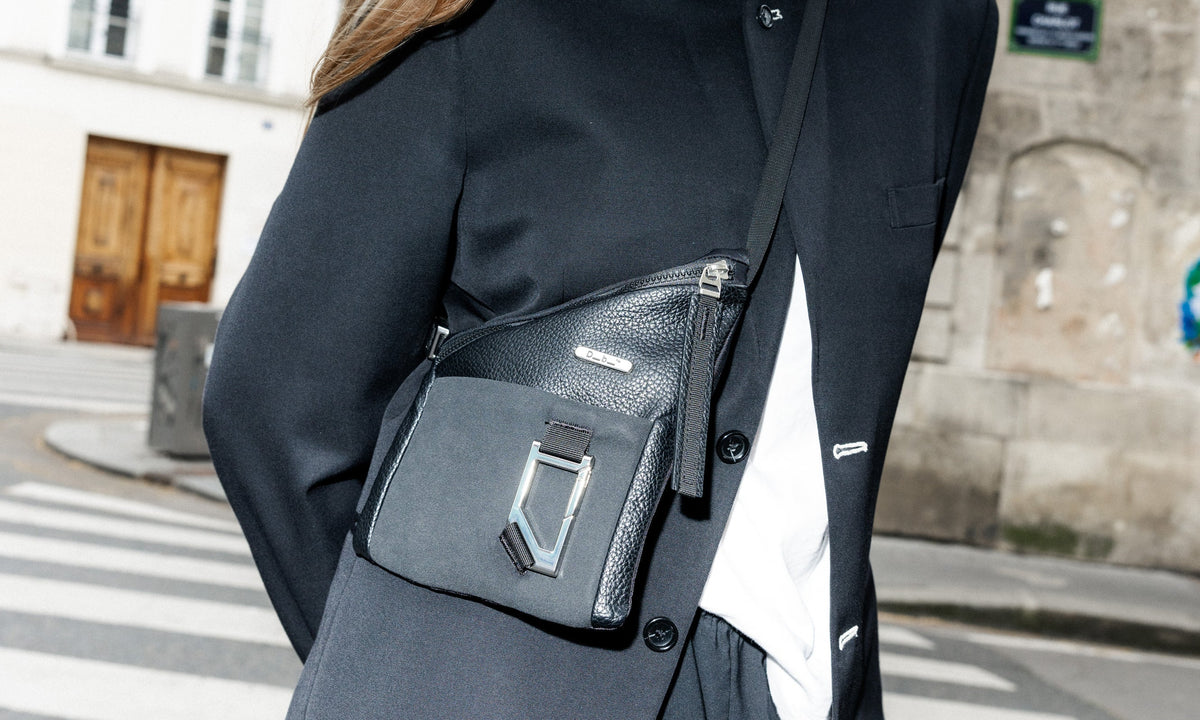
Pro tip: Make your own "mindfulness kit” in a sling bag, complete with books, journals, and pens.
2. Escape the Noise.
A crowded bus or train can quickly trigger sensory overload. If the noise around you makes it impossible to decompress, use your headphones intentionally. Instead of blasting fast-paced music or listening to the news, curate a dedicated commuter playlist.
Fill it with lo-fi music, soothing nature sounds, or audiobooks that let you dream about your own life. Close your eyes, let the audio mask the chaos around you, and use the rhythm of the sound to slow down your racing thoughts.
3. The 5-4-3-2-1 Sensory Check.
Some mornings are more hectic than others, and at the end of a stressful workday, the last thing you want is a delayed train or a missed connecting bus. If you feel overwhelmed, anchor yourself in the present moment by scanning your surroundings. This quick mindfulness tool instantly gets you out of your head and back into your body.
- 5 things you can see: The morning light through the window, the color of someone’s jacket, or the texture of the seat.
- 4 things you can physically feel: The weight of your backpack or bag on your lap, the soles of your shoes on the floor, your hand on your knee or the gentle sway of the train.
- 3 things you can hear: The low hum of the engine, chatter, tracks clicking beneath you, or your audiobook playing through your headphones.
- 2 things you can smell: The warm coffee in your hand, your perfume, or the crisp air outside.
- 1 good thing about this moment: Try to find just one positive thing about the exact moment you are in right now.
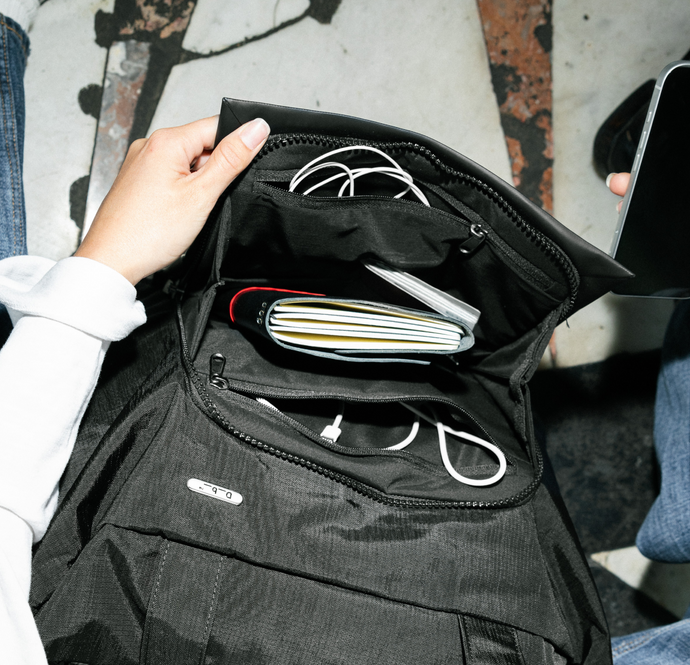
How to Pack for a Mindful Work Commute.
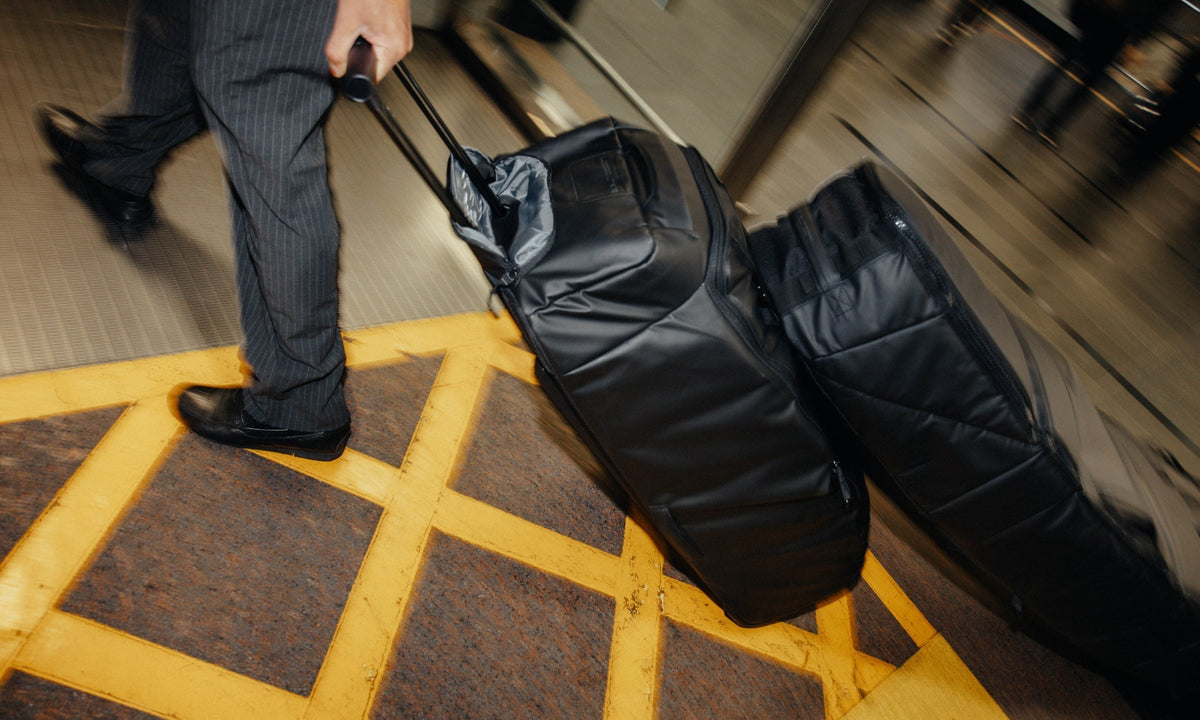
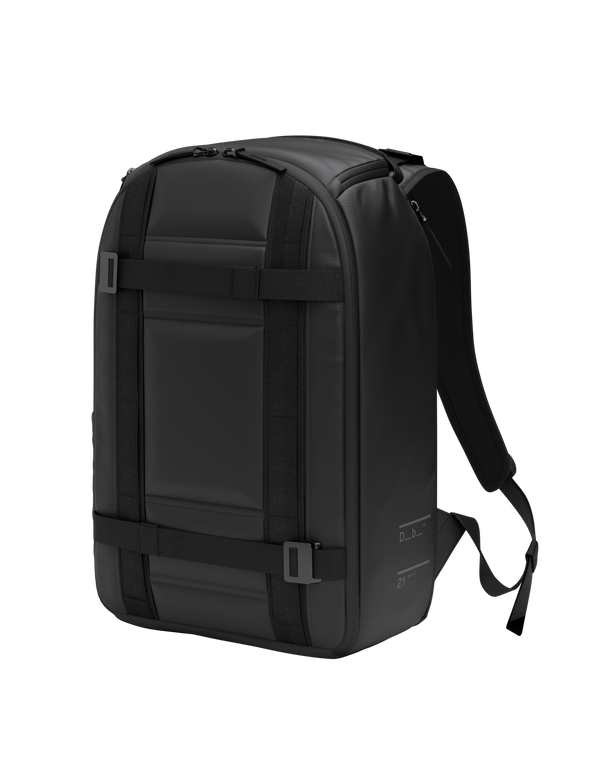
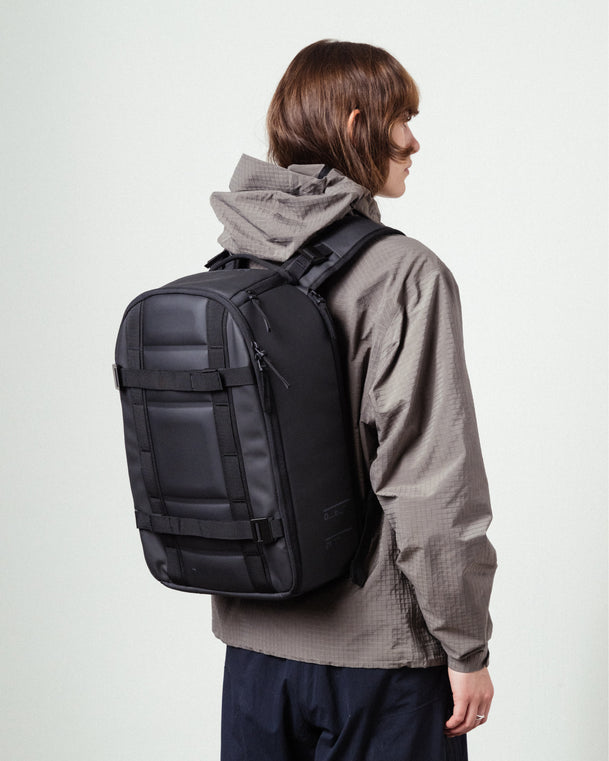
Whether you face a short drive or a long commute, reducing physical clutter is the first step to reducing mental clutter. Finding the best bags for commuting to work means looking for smart organizational features that keep your laptop, journal, and essentials securely in place.
Place your laptop in its own padded compartment, slip your book or journal into a quick-access pocket, and keep small essentials like car keys, transit passes, or headphones in designated zippered pouches.
By assigning a consistent spot to everything you carry, you eliminate the stress of digging through a messy pack for your transit pass or car keys, and your work commute instantly feels less frantic, allowing you to focus on the present moment.
To Sum It Up: Things to Do on Your Commute.
- Reset your breath: Use box breathing before you drive or when transit stress hits to instantly calm your nervous system.
- Anchor in the present: Stop racing ahead to your to-do list and remember that worrying won’t make traffic or trains move any faster.
- Relax your body: Check in with yourself and consciously drop your shoulders, unclench your jaw, and loosen your grip.
- Leave your phone in your pocket: Swap digital doomscrolling for a good book, a physical journal, or a calming audio playlist.
- Organize your carry: Pack light and stay organized so you can focus on the journey rather than digging through a messy bag.
Did You Know?
Your Questions Answered.
How can you make a long commute productive?
Productivity comes when your mind has had enough time to rest. Stop opening work emails early or doomscrolling, and focus on intentional habits like reading. If you are driving, swap the news for an audiobook or podcast.
What are some things to do on your commute?
Some great things to do while commuting include:
- Reading: Dive into a book.
- Mindfulness coloring: Purchase coloring sheets or books to channel creative focus.
- Centering yourself: Practice simple breathing exercises to anchor your mind in the present.
- Listening to podcasts: Learn something new or enjoy your favourite podcaster.
- Listening to audiobooks: Get lost in a great story while keeping your hands free.
- Journaling: Write down your thoughts to clear your head before or after the workday.