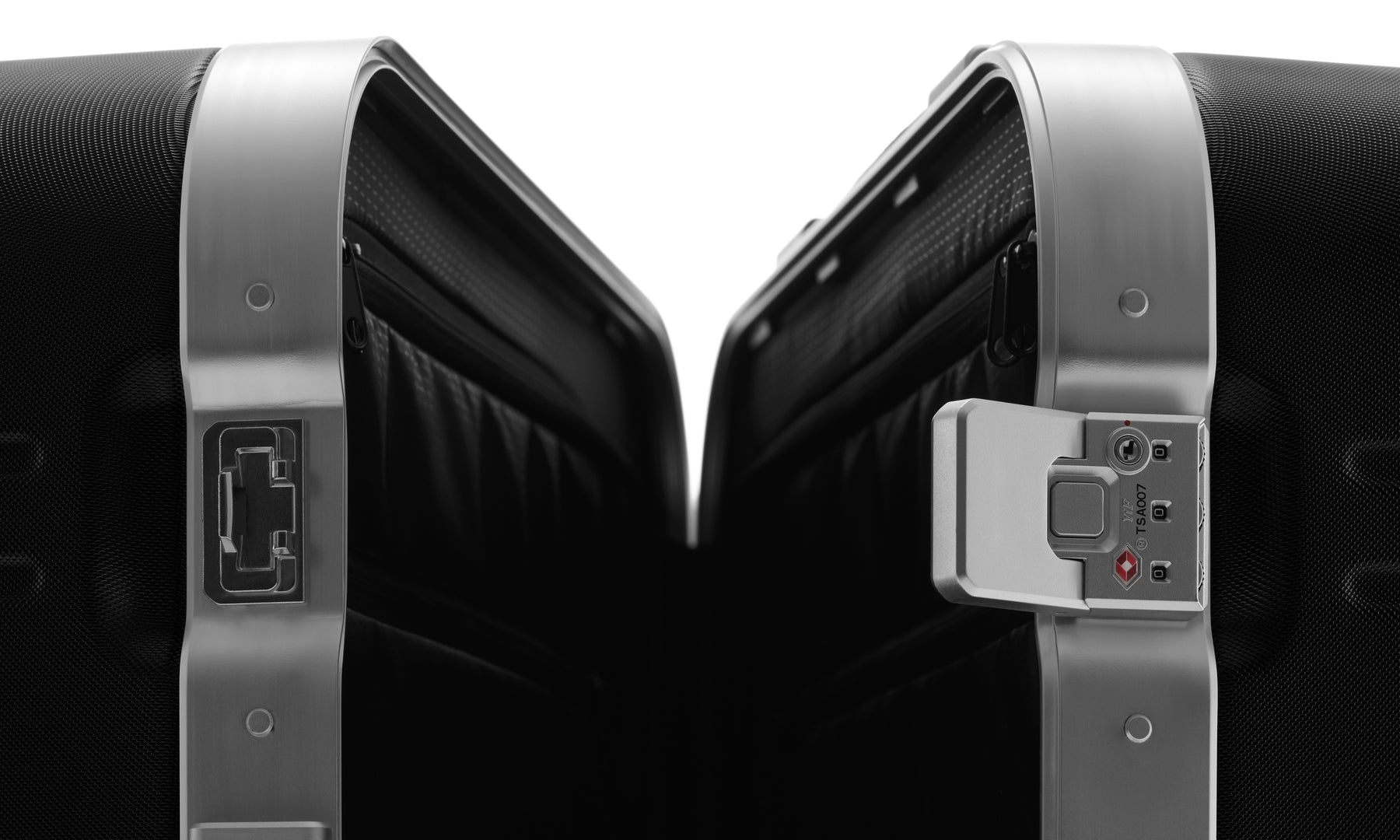
The Different Types of Luggage Locks.
There are several varieties of luggage locks on the market, but the most common is the TSA-approved lock. These are designed so that Transportation Security Administration (TSA) agents at the airport can open them using a universal master key, eliminating the need to break your lock during a security screening.
If your luggage isn't already equipped with an integrated TSA lock, purchasing a standalone one is the best way to keep your belongings secure while remaining flight-compliant.
Why is the TSA-Lock the Best Choice?
With a TSA lock, you eliminate the risk of damage to your luggage if security needs to inspect it. If your suitcase is secured with a standard padlock, agents may have to clip the lock or force the zippers, which can permanently damage your bag.
A TSA-approved lock is the gold standard for modern travel, providing security without the risk of a "forced entry." However, for maximum security and peace of mind, you should always stow your most valuable gear in your personal item or carry-on. Keep reading to find out how to set a TSA lock properly.
Explore: How to pack your luggage for travel.
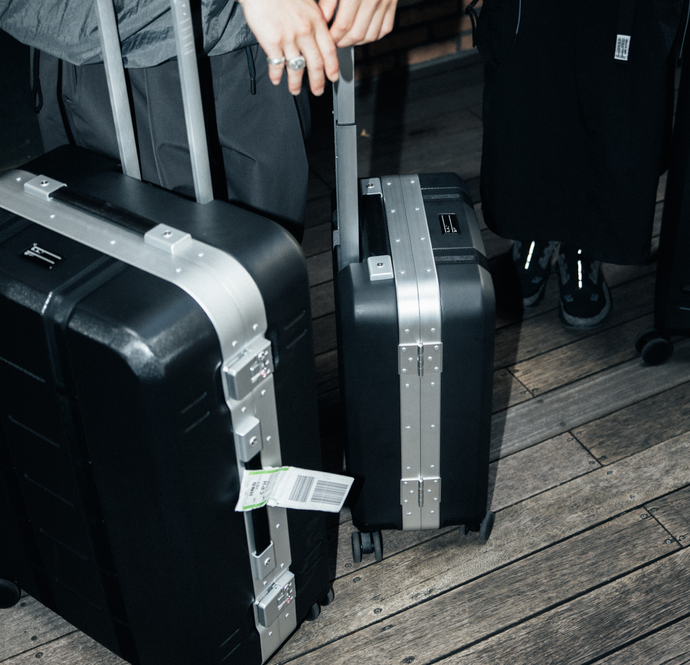
Guide: How To Set Your Integrated TSA Luggage Lock.
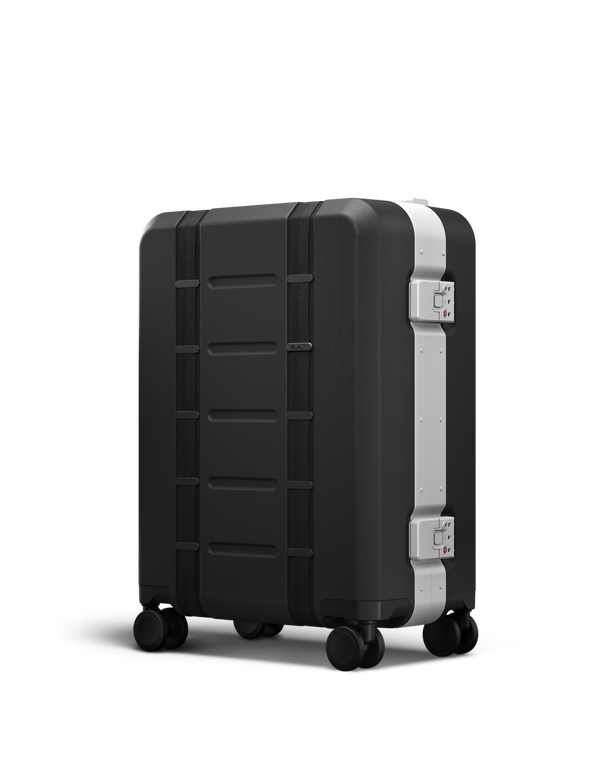
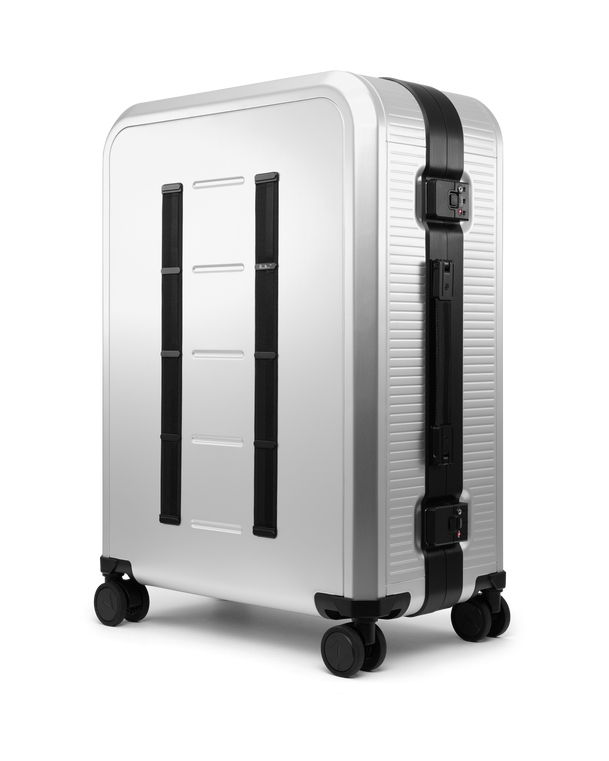
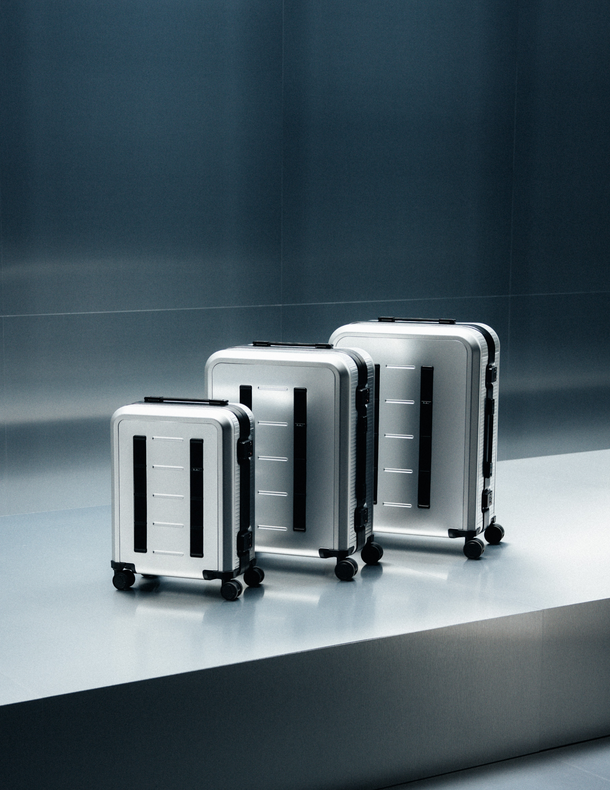
Follow this step-by-step guide on how to set your TSA luggage lock if your lock is integrated, like on our Ramverk Pro luggage series.
- Set your numeric code to 0-0-0.
- Use a pen to press down the reset button.
- Set your new code.
- Use the pen to push the reset button back up.
- Scramble the combination and check that your bag is locked and only opens with the new code.
Explore: Set the code on the TSA Approved numeric locks on The Ramverk Pro Luggage Series
Guide: How To Set Your Front-Access TSA Luggage Lock.
For standalone TSA locks, like our Essential TSA lock, you can follow these steps to set or change your combination. [Text Wrapping Break]
- Set your numeric code to 0-0-0.
- Use a pen to press the reset button.
- Set your new code.
- Press the release button to apply the new code.
How to reset a luggage lock?
If you want to reset your TSA luggage lock, follow the same process as when you initially set the combination.
- Set your numeric code to your current combination.
- Use a pen to press the reset button.
- Set your new combination.
- Use your pen to push the reset button back up.
Tips on the Go.
If your lock unexpectedly opens on any combination, it’s likely because a TSA agent didn't fully reset the cylinder after a manual inspection. To fix this and ensure your gear stays secure, simply take a small tool like a pen and rotate the TSA lock slot until both ends align perfectly with the arrow and the red dot.
This quick adjustment re-engages the internal mechanism, returning the lock to your private 3-digit code.
Explore More Ways to Keep Your Gear Protected.
- Drybags: Seal away moisture and protect your belongings by stashing damp shoes or wet travel essentials in a dedicated drybag.
- Washbag: Protect your fragile toiletries and prevent liquids from ruining your clothes with our padded washbags.
- Camera accessories: Protect your valuable camera gear with our camera inserts and organizers.
- Luggage tag: Make sure your bag is easily recognized at the carousel or identifiable to others if it's misplaced.
Your Questions Answered.
How to set a luggage lock without a reset button?
Most luggage locks feature a dedicated reset button – often a small hole that requires a pen to activate. However, some designs use a different mechanism where you must hold the latch in a specific position while scrolling to your new code.
If your lock doesn't have a visible reset point, your best bet is to check the manufacturer’s website or contact their customer service team for model-specific instructions.
Should you lock your luggage?
Yes, you should always lock your luggage, especially when handing it over as checked baggage. What happens between the baggage drop and pickup is out of your control. If your bag is lost or delayed, having a lock to protect your essentials provides an extra layer of security and peace of mind. As an additional precaution, make sure to always keep your most valuable gear with you in your carry-on.