


Best Surfing Destinations in Europe.

Europe is a continent of diverse countries with rich cultures and landscapes. Driven by the energy of the North Atlantic, the Bay of Biscay, and rugged coastlines stretching from Scandinavia to the Canaries, surfing in Europe offers something for every part of your journey.
Whether you are packing a single board for beach breaks or loading up a multi-board case to chase heavy reef slabs, finding the best surfing in Europe comes down to knowing where to go and how to haul your gear without any hassle.
The Best Countries for Surfing in Europe.
When planning a trip around surfing in Europe, Portugal, Spain, France, and England top the list for reliable swells, iconic setups, and rich coastal culture. For those looking to escape the crowds in search of raw, cold water, Norway stands out as an unforgettable destination.
Before booking your flights, make sure your boards and daily gear are protected. Exploring the best places for surfing in Europe requires a reliable system, from high-capacity surf travel bags to keep your boards safe in transit, to weatherproof surf backpacks built for coastal hikes and beach days.
Surfing in Portugal.
Portugal is widely considered the epicenter of the best surfing Europe has to offer. The country delivers year-round swell consistency and incredible wave diversity.
Where to Go.
Ericeira, Europe’s only designated World Surfing Reserve, offers everything from friendly point breaks to world-class reefs like Coxos. If you travel further north, you will reach Peniche, a town famous for its beach-break surf waves at Supertubos Beach.
Travel Tip.
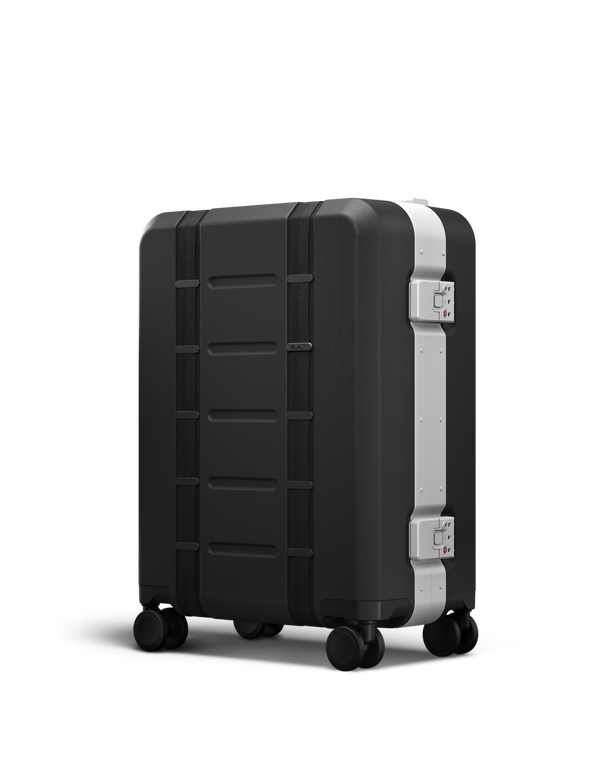
Conditions change fast along the Atlantic coast. Pack your boards in our new padded multi-board roller bag so you are ready for everything from small summer waves to heavy winter swells.

Riding the Waves of Spain.
Spain offers two vastly different surfing experiences: the lush, green coastline of the north and the volcanic, warm-water setups of the Canary Islands.
Where to Go.
Northern regions like the Basque Country and Cantabria host world-class waves, including the iconic Mundaka. Meanwhile, the Canary Islands offer warmer reef breaks throughout the winter months.
Surf Camp Tip.
If you're looking for a surf camp experience, check out Lapoint Surf Camp in Fuerteventura. Tucked away near the quiet town of Lajares, it combines solar-powered design and low-key luxury with easy access to the west, north, and east coasts, keeping you close to the waves and away from standard tourist hubs.
Read our full guide to the 5 Best European Surf Camps for more inspiration.
Surfing in Southwest France.
Southwest France is the historic heartland of European beach-break riding. Endless pine forests give way to miles of golden sand and punchy sandbars that power up every autumn.
Where to Go.
- Hossegor: World-famous for fast, heavy, "hollow" waves that smash near the shore, challenging enough for pro surfers.
- Biarritz: A short drive away from Hossegor, offering gentler, longboard-friendly waves surrounded by historic European architecture.
What to Bring.
Surfing here often means driving between spots regularly. Toss your wet gear and sticky wax into a dry bag to keep your rental car clean.
Explore: What is a dry bag?
Surfing the Shores of England.
England’s wave-riding culture is deeply rooted, passionate, and centered around its rugged southwestern coastline.
Where to Find the Best Surf.
- Fistral Beach (Newquay, Cornwall): The undisputed hub of the UK surf scene, famous for reliable Atlantic swells and a vibrant beach vibe.
- Croyde Bay (Devon): Famous for fast, punchy waves breaking over shallow sandbars best suited for confident surfers looking for power.

Norway’s Cold-Water Surf Scene.
For surfers who want to experience silent, breathtaking nature, Norway offers an Arctic surf adventure.
Where to Find the Best Surf in Norway.
- The Lofoten Islands: World-famous for pristine waves breaking against dramatic, snowy mountains where you can surf under the midnight sun in summer or, if you are lucky, the northern lights in winter.
- The Jæren coast: Located in the southwest, offering long stretches of sandy beaches and rocky points that catch raw Atlantic swells.
What to Bring.
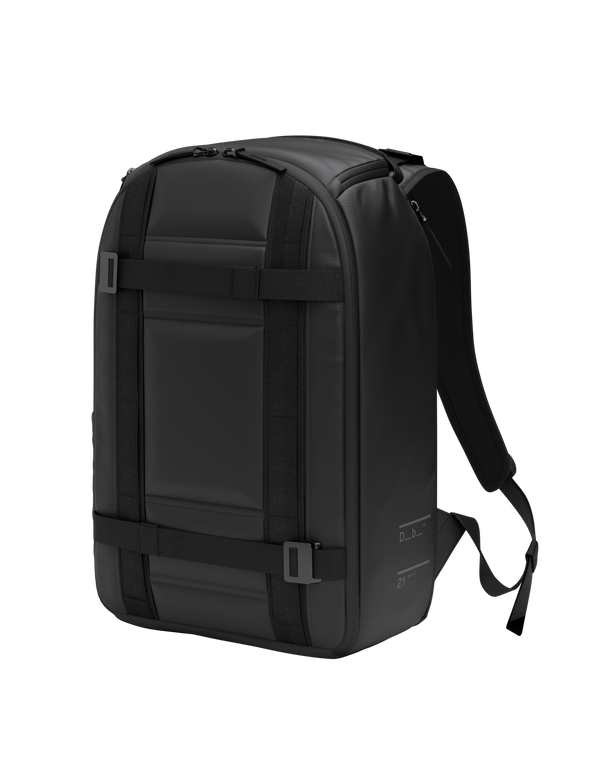
Warm post-surf gear: Cold-water missions require more preparation than warm-water trips. Pack dry clothes and a heavy jumper in your surf backpack so you can warm up immediately after exiting the water.

Packing for a European Surf Trip.
Whether you are flying, taking a ferry, or road-tripping along the coast, getting your gear to the water intact and hassle-free is a top priority.
-
Protective surfboard bags: Built for long-haul travel, our length-adjustable, easily compressible bag combines armor-like Rib Cage Construction™, while removable NoseJob™ and Tailgate™ packs cushion the board's nose and tail using memory foam, zipper guards, and dual-purpose storage for wetsuits and towels.
- Connecting luggage: Use bags and backpacks that hook directly onto your rolling board bag with the Hook-Up System™. Linking your gear keeps your hands free while navigating busy airports, ferry ports, and train stations.
- Lightweight bags and totes: Leave heavy travel bags at your stay. A tote or backpack makes it easy to haul everything you need down to the sand.
Dry Bags: Essential for keeping wet gear contained in your car and protecting your dry clothes, keys, and towels on the beach.
Explore: How to pack a surf bag.
Your Questions Answered.
What European country has the best surfing?
Portugal is widely known as the best European country for overall surf, variety, and wave quality throughout the year.
What is the surf capital of Europe?
The title of Europe's surf capital is split between Hossegor in France and Ericeira in Portugal. While Hossegor attracts surfers for hollow beach breaks and high-profile events, Ericeira draws surfers with its steady variety of waves.
When is the best time for surfing in Europe?
The autumn months of September, October, and November offer the ultimate balance for most surfers in Europe with warm water, consistent Atlantic swells, and lighter coastal winds. Winter brings the heaviest swells for advanced surfers, while summer offers smaller, beginner-friendly waves.