
Warum wir zu viel einpacken
Um dies zu ändern, müssen wir zunächst den Grund für unser Handeln verstehen. Beim Überpacken geht es selten um die Kleidung, sondern um Kontrolle. Psychologisch betrachten wir unsere Habseligkeiten als eine Erweiterung unserer Komfortzone. Selbst wenn wir es nicht merken, neigt eine leichte Angst dazu, die Oberhand zu gewinnen, wenn wir Grenzen überschreiten und unsere vertraute Umgebung verlassen.
Wir nehmen noch zwei zusätzliche Ladegeräte und Schuhe mit Absätzen mit, die Blasen verursachen, nicht weil sie funktional sind, sondern weil sie uns das Gefühl geben, auf alle Eventualitäten vorbereitet zu sein. Zu verstehen, dass deine Absätze nicht wie durch Zauberhand bequem werden, nur weil du an einem anderen Ort bist, ist der erste Schritt zu einem leichteren Gepäck.
Die Angst, unvorbereitet zu sein.
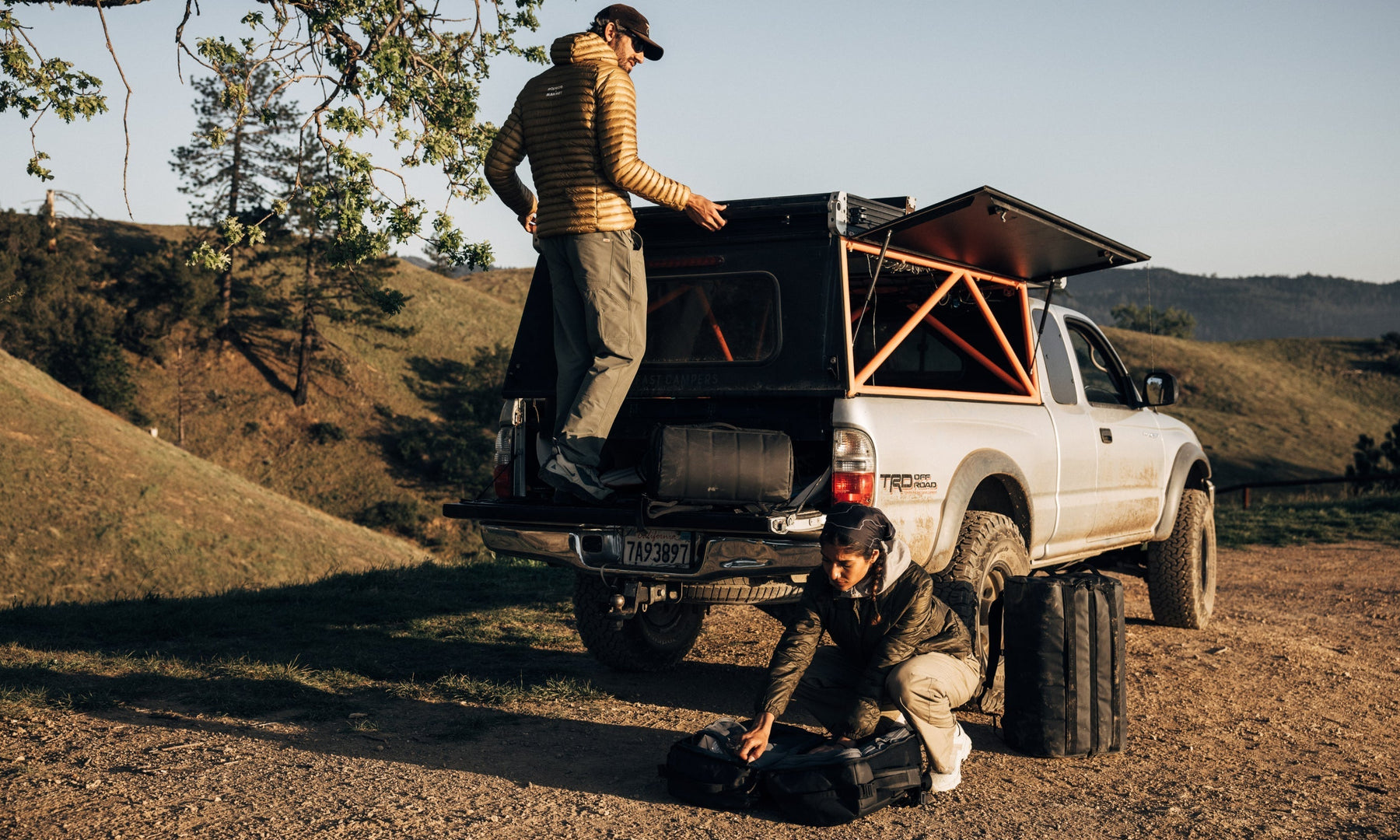
Die Entfernung von zu Hause schafft eine seltsame Dringlichkeit und ermöglicht unser katastrophales Denken. Ohne das Sicherheitsnetz unserer eigenen Schränke neigen wir dazu, zu viel einzupacken. Egal, ob es um das Gewicht deines Koffers oder die buchstäbliche Belastung eines überfüllten Duffel Bags geht – der Preis ist derselbe: deine Bewegungsfreiheit. Wir müssen den Fokus von dem, was wir vielleicht brauchen könnten, auf die Flexibilität verlagern, die wir durch das Tragen verlieren.
Die "Just-In-Case"-Falle.
Wir packen für das Abendessen, das nicht auf der Reiseroute steht, oder für den Regen, der wahrscheinlich nicht kommt, in dem Bestreben, die Lücke zwischen unserer Komfortzone und unserem Ziel zu schließen. Aber für jedes hypothetische Szenario einzupacken, macht dich nicht unbedingt besser vorbereitet. Hier findest du weitere Expertentipps dazu, wie du das Überpacken vermeiden kannst.

So vermeidest du Überpacken
Damit wir nicht zu viel einpacken, muss wir vom passiven Packen zu einer aktiven Entscheidungsfindung übergehen. Bevor sich ein Artikel seinen Platz in deinem Gepäcks verdient, stelle dir diese Fragen:
- Was sind meine absoluten Must-Haves?
- Kann ich ihn am Zielort kaufen, wenn ich ihn brauche?
- Habe ich diesen im letzten Jahr verwendet?
- Was sind meine tatsächlichen Pläne für die Reise?
- Kann ich meine Kleidung auf verschiedene Arten kombinieren?
Überlegen, welche Dinge wirklich wichtig sind.
Fange beim Packen mit deinen unverzichtbaren Dingen an. Wenn ein Artikel keinen Zweck für deine Reiseroute hat, ist er nicht notwendig. Priorisiere besonders nützliche Ausrüstung, die in verschiedenen Umgebungen eingesetzt werden kann.
Die 80/20-Regel der Garderobe.
Die meisten Reisenden tragen 80 % der Zeit 20 % ihrer Kleidung. Wenn du es leicht halten möchtest, ist das Ziel, nur diese 20 % einzupacken. Um dies zu erreichen, ist eine kleine Garderobe unerlässlich. Jedes Kleidungsstück sollte sich seinen Platz verdienen, indem es mit mindestens zwei anderen Kleidungsstücken kombiniert wird.
Plane nach Aktivität, nicht nach Tag.
Indem du für deine Aktivitäten packst, anstatt für die Anzahl der Tage, die du unterwegs bist, kann sich dein Geist auf tatsächliche Szenarien konzentrieren, was dazu führt, dass du weniger packst. Wenn du keine bestimmten Aktivitäten geplant hast, gehe deinen Tag durch – vom Aufstehen bis zum Schlafengehen – und überlege, was du wirklich tragen und verwenden möchtest.

Verwende Smart Organization, um Überpacken zu verhindern.
Packbeutel sind das architektonische Gerüst deines Koffers. Wenn du Packbeuteln bestimmten Kategorien zuweist, schaffst du für jede einzelne eine physische Grenze. Sobald die Packbeutel voll sind, hast du genug eingepackt. Dies ist der effektivste Weg, um deine Kapazität sichtbar zu machen und ein Überpacken zu vermeiden.
Entdecke mehr von unseren Reiseaccessoires.
Die Kunst der Auswahl
Gutes Packen ist auch ein Prozess des Weglassens. Es ist die letzte Phase, in der du von „potenziell“ zu „unerlässlich“ wechselst. Indem du deinen Koffer als Kollektion und nicht als Aufbewahrungsort betrachtest, stellst du sicher, dass jedes Teil einen Zweck erfüllt.
Leg alles vor dich hin.
Visualisiere dein Kit, indem du alles auf einer ebenen Oberfläche ausbreitest, bevor es in die Nähe der Tasche geht. Diese physische „Karte“ deiner Ausrüstung macht es leicht zu erkennen, wo du Schichten doppelt eingepackt oder zu viele „Was-wäre-wenn“-Optionen gewählt hast. Wenn es auf dem Boden nicht stimmig aussieht, wird es sich unterwegs auch nicht funktional anfühlen.
Die „Ein-rein, eins-raus“-Regel
Sobald deine Tasche ihr Idealgewicht erreicht hat, wende die strikte „Ein-rein, eins-raus“-Regel an. Wenn du dich dafür entscheidest, eine zusätzliche Schicht hinzuzufügen, muss etwas mit dem gleichen Volumen wieder ausgepackt werden. Dadurch musst du den tatsächlichen Wert jedes Hinzufügens abwäge, dein Gepäck bleibt im Limit und du bleibst flexibel.
Weitere Ratgeber entdecken:
Antworten auf deine Fragen.
Wie vermeidet man es, auf Reisen zu viel einzupacken?
Der effektivste Weg, um zu viel einzupacken, ist die Planung nach Aktivitäten statt nach Tagen. Ändere deine Denkweise weg von "Just-in-Case"-Szenarien hin zu einer modularen Garderobe, bei der jeder Artikel mit mindestens drei anderen kombiniert werden kann.
Verwende Packbeutel, um deiner Ausrüstung physische Grenzen zu setzen. Wenn du Vielseitigkeit priorisierst und ein strukturiertes Organisationssystem verwendest, stellst du sicher, dass deine Ausrüstung schlank, funktional und bereit für das Abenteuer bleibt.
Wie lautet die 3-3-3-Regel beim Packen?
Die 3-3-3-Methode begrenzt dein Kit auf drei Oberteile, drei Unterteile und drei Paar Schuhe. Wenn du neun Teile auswählst, die sich schichten und kombinieren lassen, kannst du über 15 einzigartige Looks kreieren.
Was ist die 5-4-3-2-1-Packmethode?
Die 5-4-3-2-1-Methode empfiehlt fünf Oberteile, vier Unterteile, drei Paar Schuhe, zwei Schichten und ein Accessoire. Dies ist eine gute Möglichkeit, wenn du dein Kit so klein wie möglich halten möchtest.