



A Beginner's Guide to Surfing in Morocco.

Morocco is a great place for learning how to surf. The country is known for its warm water and consistent right-hand point breaks, offering the conditions needed when you are relatively new to surfing.
Discover why Morocco is the ideal country for beginners, the best surf spots, when the optimal time to go is, and what else Morocco has to offer in this guide.
Why Morocco Is Great for Beginners.
While Morocco’s North Atlantic coastline is well known among professionals, the vibe of the region is very generous to those standing on a board for the first time.
Chill Waves.
Instead of aggressive, hollow beach breaks that dump in shallow water, the headlands sculpt incoming ocean energy into long, predictable right-hand point breaks.
Waves roll toward the shore with a rhythmic slowness, giving you the important seconds needed to set your paddle, find your footing, and stand up.
Learning Environment.
The physical environment trades freezing water and gray skies for dry, golden sunlight and ocean temperatures that rarely require more than a lightweight 3/2mm wetsuit.
Coastal Culture.
Out of the water, the ritual of sharing fresh mint tea on the beach after a three-hour morning session creates a rhythm where learning to surf feels less like a harsh boot camp and more like a relaxed lifestyle shift.

The Best Surfing Spots in Morocco.
Navigating the coastline requires knowing where the swell energy gets filtered down to a manageable scale. For anyone looking to catch green waves or refine their technique, four locations offer the ultimate setup.
The Bay of Imsouane.
Located roughly two hours north of the city of Agadir, Imsouane, called “The Bay”, is home to what is widely considered the longest wave in Africa. On a medium swell, waves reel endlessly for over 600 meters at a gentle, rolling pace, offering beginners long rides with soft sand bottoms to actively practice posture and weight distribution without having to worry about time.
Banana Point, Tamraght.
Just south of Taghazout lies the quieter village of Tamraght, anchored by Banana Point. Named after the nearby banana groves, this right-hand point breaks over a mix of sand and rocks. It provides clear sectioning, making it an ideal spot for intermediate surfers who want to practice timing their takeoff in a real lineup as this is a popular beach for international surfers.
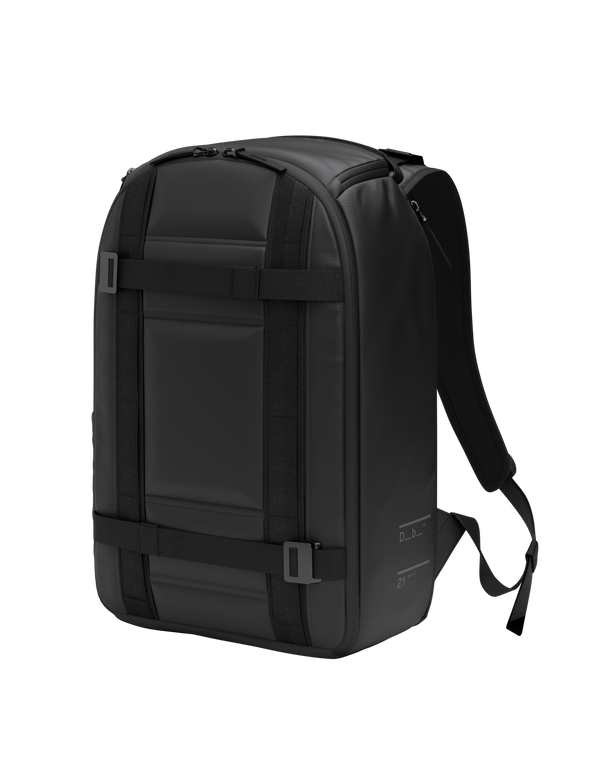
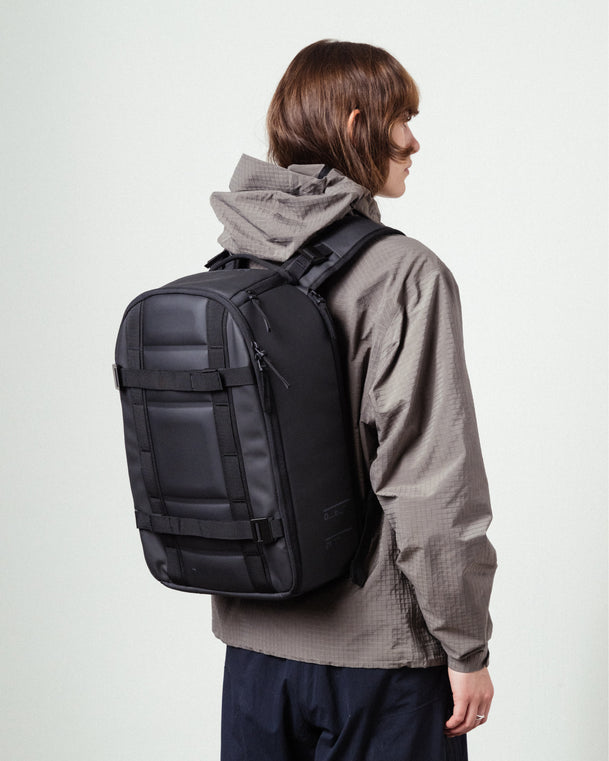
Pro tip: Place your wet clothes in your dry bag, and grab your surf backpack to head to Banana Point's famous sunset horseback rides along the water’s edge. It is the ultimate way to end a full day on the ocean.
Panoramas, Taghazout.
While Taghazout is famous for high-performance breaks like Anchor Point, Panoramas sits on the sweeping sandy beach right at the edge of town. It operates as a broad, open beach break that absorbs energy across a wide area.
-
Inside zone: Waist-deep, friendly whitewash ideal for mastering board balance and pop-up mechanics.
-
Outside zone: Accessible entry point for catching your first unbroken green waves.
Essaouira.
Further north, the city of Essaouira sits inside a massive, curved bay protected by offshore islands. The harbor and island barrier strip away the heavy power of northern ocean swells, leaving behind small lines that wash onto a wide, flat sand beach. It is the most stress-free environment on the entire coast for your very first day on a surfboard.
Ready to go? Explore our surf collection.

When to Go
Choosing when to visit depends heavily on your comfort level with ocean power and what kind of trip you want to experience.
Summer: April to September.
This is generally the calmest period along the Atlantic coast. Swells drop in size, winds blow consistently, and the ocean transforms into a friendly playground.
If your goal is to spend hours playing in warm water, building core paddling strength, and catching whitewater without battling strong currents, this is the optimal time to go.
Winter: October to March.
The North Atlantic storm machine kicks into high gear, sending powerful groundswells toward the coast. This is the prime season for experienced surfers worldwide, but beginners can still thrive by traveling with local guides.
During these larger swells, sheltered nooks like Imsouane Bay and inner beach breaks filter out the heavy energy, providing clean, manageable wave height even when the outer points are firing.
Learn more in our Guide on surfing through September.

Morocco is More Than Surf.
A trip to the Moroccan coast is rarely defined solely by time spent in the lineup. When your shoulders are tired from paddling, it is time to explore. A short drive inland leads into the foothills of the High Atlas Mountains to Paradise Valley, where you find palm trees and turquoise freshwater pools carved into the limestone, an ideal sanctuary for washing off the salt. A surf trip to North Africa is actually defined as much by the atmosphere out of the water as the waves themselves.
Whether you're watching the late afternoon sun turn the cliffs gold from a rooftop terrace in Taghazout or wandering on the coast, the country inspires you to stay long after your surf session ends.
Read: What to consider when surfing in California.
Take a Break From the Water and Explore Morocco.
-
The Medinas: Stroll through the alleys of Essaouira or Agadir to experience spice markets, handwoven textiles, and local leather.
-
Visit a traditional hammam: A hammam is a steam bath, where your skin is scrubbed with local soap and argan oil, offering the ultimate relief for tight back muscles after heavy paddling sessions.
-
Rooftop culture: As the sun goes down, life naturally migrates toward the rooftops, making the end of your night calm and special.
Your Questions Answered.
What is a green wave?
A green wave is a smooth and unbroken wave that has not turned into white foam. Since green waves require you to ride for longer, beginners usually start by riding broken whitewater. Catching your first green wave is therefore considered a major step up.