


How to Pack a Camera Bag.

Whether you are a hobbyist photographer or a professional creative, traveling with your camera requires planning. In this guide, we will cover how you can keep your gear safe and protected with the right equipment and packing techniques.
What Matters Most When Packing Your Camera Bag.
To capture invaluable moments, you need your valuable gear to work when you arrive at your destination. Figuring out how to pack your camera, lenses, and tech gear for maximum protection can sometimes feel like a puzzle.
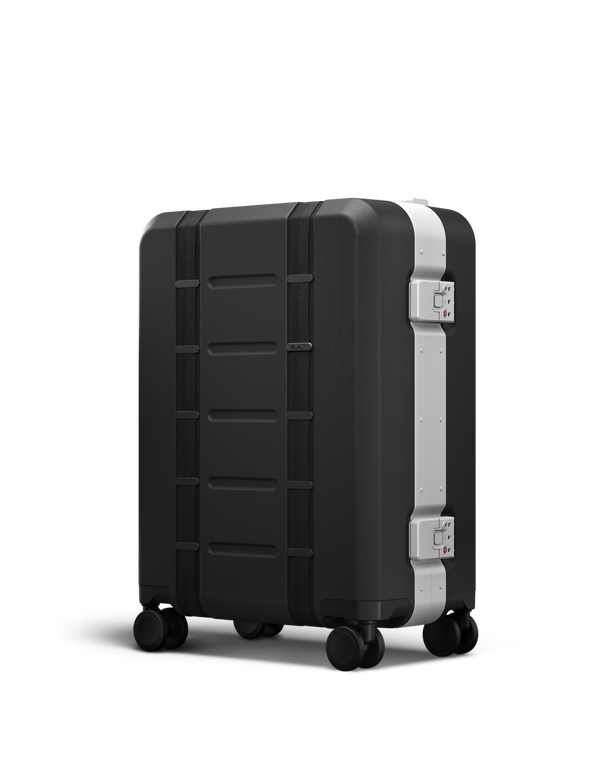
The first step is to use a sturdy camera bag or when traveling, a camera travel bag – both to protect your gear and to keep it organized so you can easily see what you want to grab when the right moment arises.
The second important step is to always detach the lens. Leaving a lens mounted on your camera increases the risk of it breaking under pressure, and it takes up unnecessary space.
If you aren't using a camera backpack with dedicated camera inserts, you should improvise your protection by wrapping your camera body and each lens individually in clothes or soft materials to absorb impact and keep them from knocking together in transit.
A Step-by-Step Guide on How to Pack a Camera Bag.
Some trips demand more gear than others. To avoid having to leave a lens behind, we have put together a step-by-step guide to solve the puzzle of packing your gear and maximizing every inch of space in your bag.

1. Lay Out Your Gear.
Start by gathering every piece of equipment you plan to bring and laying it out on a large, flat surface like a table or a bed. Seeing everything at once helps you group similar items together, and forces you to ask yourself what you actually need.
Leaving unnecessary gear at home is the easiest way to save space and avoid clutter before you even open your bag.
2. Detach Lenses.
Remove all lenses from your camera bodies. Make sure every lens has both its front and rear caps securely attached, and put the body cap on your camera to keep dust out.
3. Open Your Bag Completely and Adjust Dividers.
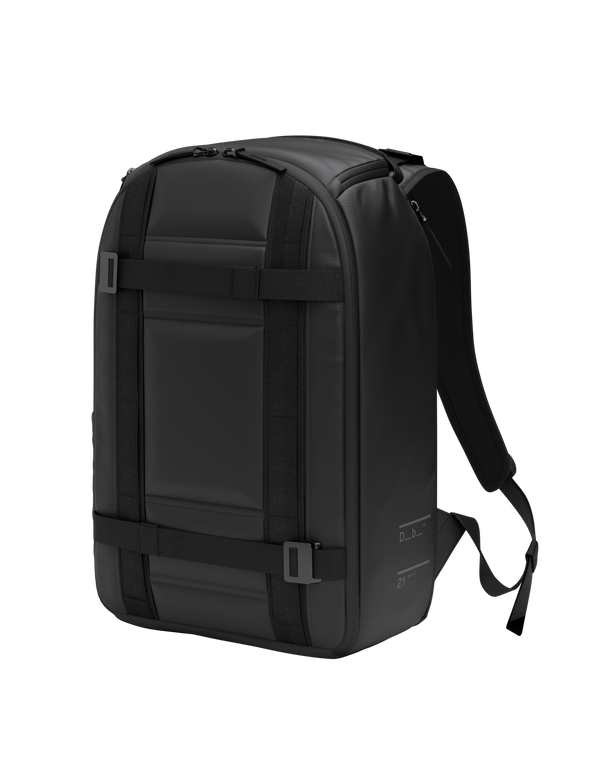
If you have a backpack with a full clamshell opening like the Hugger Backpack, lay it wide open, as this will give you a full overview of your layout. Place your camera insert inside the backpack and rebuild the compartments to perfectly hug the specific gear you laid out in Step 1. This one requires some trial and error before you find your perfect fit.
4. Pack the Heaviest Items First.
Place your heaviest items, usually the camera body and your largest lens, at the bottom or center of the bag. This keeps the bag's center of gravity low, making it much more comfortable to carry.
5. Pack Lenses for Quick Identification.
When inserting your lenses, place them so the focal length numbers are facing up. If they are in the open, this makes it easy to see everything and grab exactly what you need in a split second. For an even better overview, put a small piece of tape or a label on the outside with the lens focal length visible.
6. Organize Batteries, Cards, and Cables.
Lastly, use the zippered mesh pockets on the inside of the bag for your small tech. Keep your empty memory cards and dead batteries in a separate pocket from your fresh ones so you never have to guess which is which during a fast-paced shoot.
Pro tip: Maximize corner space for your smaller essentials.
Explore More.
Your Questions Answered.
Can I take my camera bag on the plane?
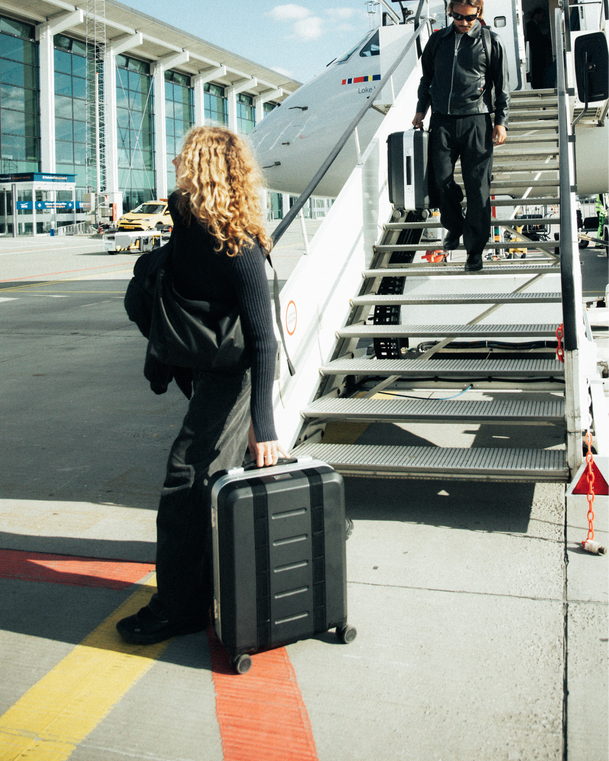
Yes. In fact, you should never put your camera bag in checked luggage. Checked bags are often thrown around, which can easily break delicate lenses. Also, airline rules require all lithium batteries to be kept in the cabin with you, as they are not allowed in the cargo hold.
Does a camera bag count as a personal item?
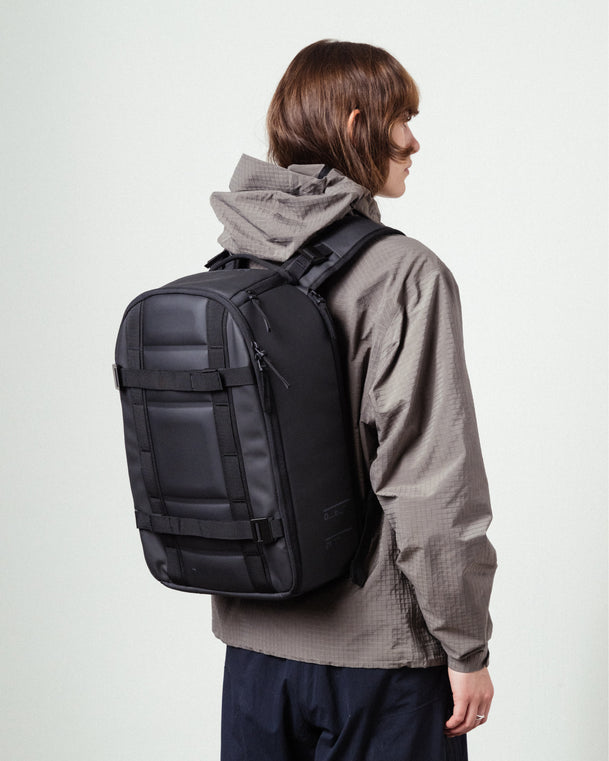
In most cases, a camera bag counts as a personal item as long as it is small enough to fit under the seat in front of you. Small camera backpacks and sling bags usually pass without an issue.
However, if you are traveling with a large, heavy-duty camera backpack, the airline will likely count it as your main carry-on luggage. Always check your specific airline's size restrictions before flying.
What is the best material for a camera bag?
High-density nylon is the best overall material for camera bags. It offers tear resistance, weather protection, and durability while remaining lightweight for travel and outdoor trips.
While canvas and leather offer a classic look, they require more care and add unwanted weight. Always choose a bag with water-repellent materials and strong padding.
How do I store a camera in a bag?
The safest way to store a camera is to detach the lens, attach the body cap, and place it snugly inside a padded compartment. If your bag doesn't have built-in dividers, wrap the camera body securely with soft materials so it doesn't move around or knock into other hard items.