


Ultimate Travel Guide: Surfing In Portugal.

Portugal is known as one Europe's capital of surfing with mellow beach breaks in golden sunlight. With the raw power of the Atlantic, this country offers year-round swells combined with world-class point breaks.
Whether you are packing your first board into a travel pack or wheeling a board bag packed with big-wave guns, here is your essential guide to navigating Portugal’s surf scene.
Portugal’s Best Surf Spots (North to South).
Ericeira.
Europe’s only official World Surfing Reserve. You get roughly 8 kilometers of coastline packed with high-quality breaks.
The vibe: World-class waves, heavy crowds, great post-surf coffee.
Key breaks: Ribeira d'Ilhas (consistent, long point break) and Coxos (heavy, fast right-hand barrel, not for beginners).
Peniche.
A peninsula that sticks straight out into the ocean, meaning if the wind is blowing onshore on one side, it’s offshore on the other.
The vibe: Pure surf town. Smells like neoprene and wax.
Key break: Supertubos. Fast, hollow, sand-churning barrels that host the WSL every year. Bring extra ding repair tape.
The Algarve.
Down in the southwest corner, the coast wraps around two directions. If massive winter swells make the west coast unrideable, the south coast picks up clean, sheltered lines.
The vibe: Sunny, laid-back, cliff-lined beaches.
Key breaks: Arrifana (reliable point break) and Amado (classic surf camp beach break).
Espinho & The North.
Just south of Porto, the water gets colder and the crowds thin out drastically.
The vibe: Raw, industrial-meets-ocean, uncrowded.
Key breaks: Heavy beach breaks and jetty setups that require a thicker wetsuit and a bit more local awareness.

Nazaré: How the Monster Waves Actually Work.
Even if you have no intention of paddling out at Praia do Norte, you have to see it in person during winter. Standing on the cliff next to the lighthouse while the ground shakes under an 80-foot wall of water is surreal.
The Physics Behind the Hype.
It isn't just luck. Just off the beach sits the Nazaré Canyon – an underwater trench 5,000 meters deep pointing straight at the shore like a funnel.
When winter storms fire up in the North Atlantic:
-
Deep-water swells travel down the canyon at high speed without losing energy to friction.
-
The moment the water shoots out of the canyon, it hits a shallow sand shelf right off the lighthouse.
-
That sudden wall of sand forces all that deep-water energy to compress and shoot straight up into the air.
Note: Unless you are towing in with a jet ski team and wearing an inflatable vest, stick to watching from the cliff.

Where to Surf as a Beginner.
You don’t need to drop into a liquid skyscraper to enjoy Portugal. The trick is hitting sandbars protected from heavy open-ocean swells.
-
Foz do Lizandro (Ericeira): A forgiving river mouth with soft sand and plenty of room to practice your pop-up without bumping rails.
-
Baleal Bay (Peniche): A sheltered crescent bay that turns heavy swell into rolling whitewash. Perfect for learning to trim.
-
Praia do Amado (Algarve): Long stretches of sand and low-tide peaks that make surf school lessons easy and safe.
Best Time to Go.
Aim for May to September. The water is slightly warmer, the winds are lighter, and the swells drop down to a manageable 2 to 5 feet.
How to Pack Your Board Bag for Portugal.
Flying with surfboards and road-tripping along the Portuguese coast is notorious for beating up gear. Between airline baggage handlers and throwing bags into cramped rental car trunks, reliable protection is essential.
-
Single board travel: If you’re taking a daily driver or longboard, use a heavy-duty, nose-and-tail protected surfboard bag that folds flat when you reach the hotel.
-
Quiver and multi-board bags: Heading over for winter swells? Squeeze 2 to 3 boards into a wheeled surfboard bag. Look for length-adjustable designs so your shortboards aren't sliding around inside a bag built for a gun.
-
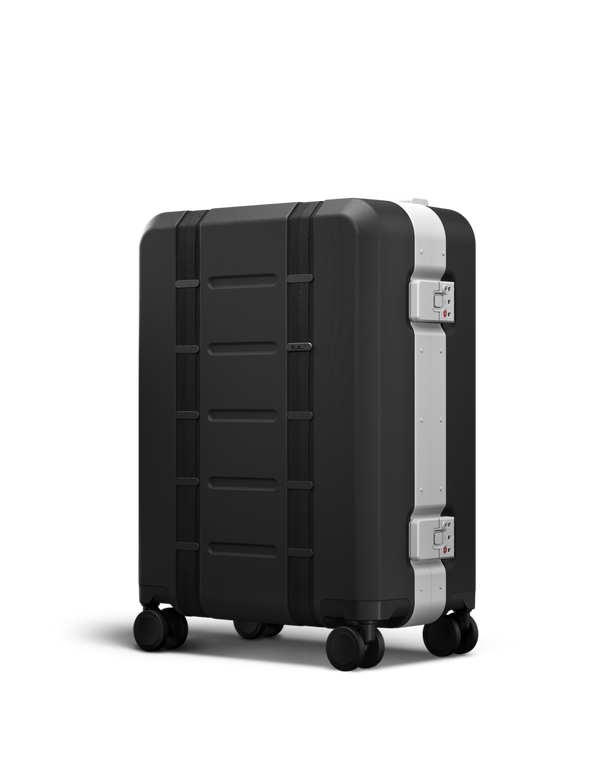
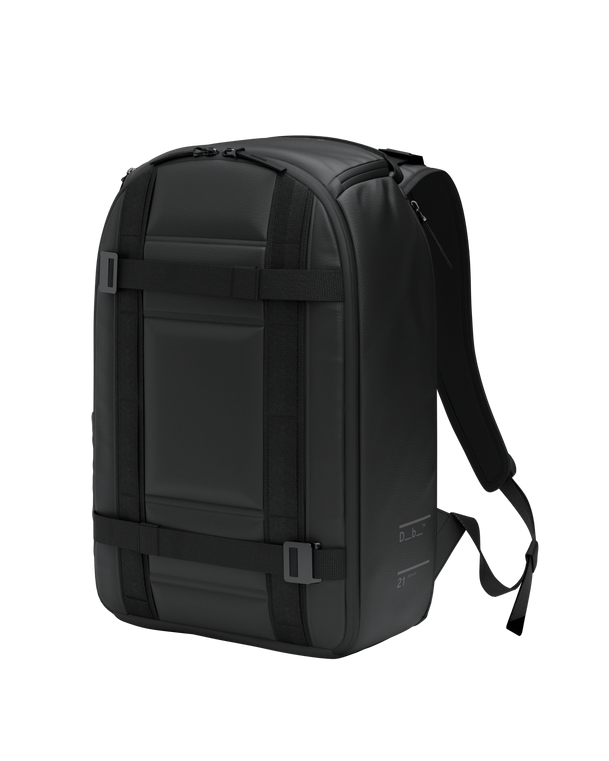
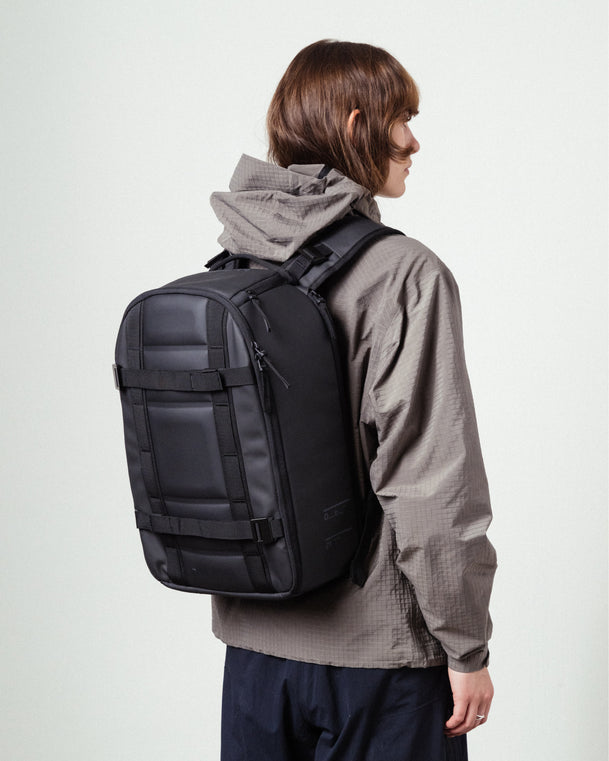
Wetsuit and travel packs: Portugal's Atlantic water is cold year-round. Keep wet neoprene, fins, and wax isolated from your clothes using a surf backpack or or travel bag.
Your Questions Answered.
What wetsuit should I pack for Portugal?
-
Summer (June-September): 3/2mm full suit or a 2mm spring suit. Water temps run 17°C-20°C.
-
Winter (October-April): A solid 4/3mm (or 5/4mm if you run cold) plus 3mm booties. Water drops down to 13°C-15°C.
Do I need a rental car?
Yes. While you can take a bus to Ericeira or Peniche, waves in Portugal shift constantly with tides and wind. Having a car (or camper) lets you check three spots in 30 minutes and score the cleanest window of the day.
Can I surf in Portugal year-round?
Absolutely. Winter is for advanced surfers looking for power, barrels, and Nazaré watching. Summer is for longboards, beginners, and post-surf beers in the sun.