


Back to School Essentials for College.

Starting a new college semester brings big changes. Returning to campus after a break or stepping into your first lecture hall makes fall the ideal season for a total refresh. Update your tech setup, your daily carry, and your campus routine.
This guide breaks down essential productivity tools, smart packing hacks for long days on the go, and nice-to-have additions designed to make college life easier.
Make Your Dorm Feel Like Home (Without Clutter).
Balancing comfort with limited space is key when moving into a college dorm. Since you cannot paint or change the furniture, focus on lighting. Ditch the harsh overhead lights for a warm desk lamp or string lights to create a relaxing study vibe.
Keep a throw blanket and your favorite pillows on your bed to transform it into a cozy spot for both day hangouts and sleep. If you share a room, noise-canceling headphones offer an instant personal oasis when you need privacy.
Equally important to making a small space feel cozy is keeping it free of daily chaos. Establish a dedicated wall hook or desk corner exclusively for your backpack or tote, keeping the floor clear and your morning routine more efficient.
Packing your bag the night before with your laptop, chargers, notebooks and water bottle keeps your desk organized and lets you run on autopilot in the morning. When your alarm goes off, your space is calm, and you can grab your bag and head straight to your first lecture.
Explore: Tote bag or backpack for school?
College Back to School List: Productivity Must-Haves.
Staying productive can feel easiest at the start of the semester, when you are fresh after a long break. To maintain momentum all year long, build a strong foundation with quality stationery:
-
Colored markers and highlighters: Essential for color-coding lecture notes and tracking textbook terms.
-
Flashcards: Ideal for self-testing between classes.
-
Post-it notes: Perfect for adding quick side notes inside textbooks or reminders.
-
Book tabs and page markers: Small sticky tabs that let you organize specific chapters or reading assignments without damaging your pages.
-
Paper calendar: Keeps track of daily assignment deadlines, exam dates, and seminar schedules offline, to get a full overview of your month.
-
Book covers or protective sleeves: Shield expensive textbooks and notebooks from coffee spills, torn pages, and daily wear and tear.
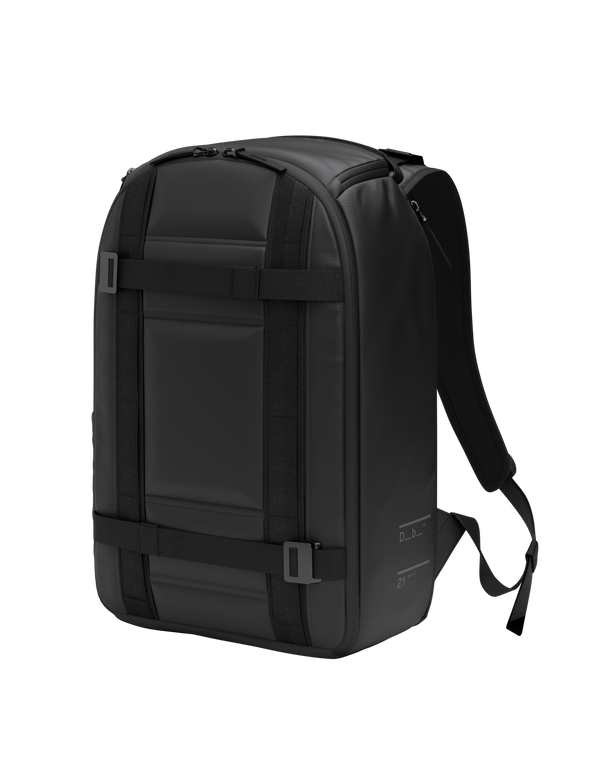
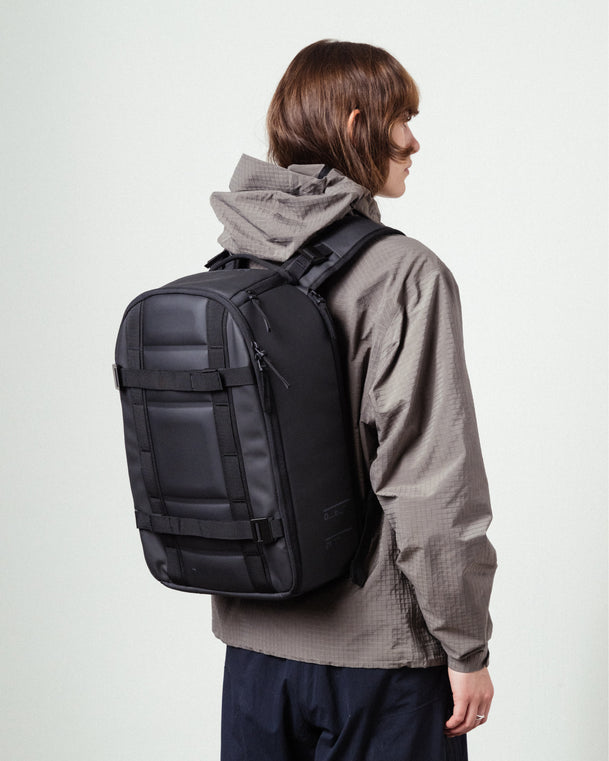
Keep it organized and protected with our back to school backpacks in new seasonal colors.

Best Back to School Gear for College: Tech Essentials.
A lightweight laptop or digital tablet with long battery life is non-negotiable for taking notes during lectures and working on assignments on the go. Pair it with a reliable set of noise-canceling headphones to block out distractions in busy study lounges, focus during online seminars, and review recorded lectures without interruption.
Nice-to-Have: Tech.
While not strictly essential, dedicated tech accessories can smooth out your daily workflow. Organize this tech in a tech organizer to elevate your setup.
-
Portable power bank: Keeps your phone, tablet, and earbuds charged during long days of back-to-back classes.
-
External monitor: Adds a second screen to make researching and writing papers seamless without constantly switching tabs.
-
External hard drive: Offers secure offline backup for large project files and software if your cloud fills up.
-
Advanced calculator: If your major requires it, invest in a good high-quality calculator that will give you far more functions than a regular one.
Explore: How to organize your tote bag.
How to Pack Your Campus Backpack Efficiently.
Carrying heavy textbooks and tech across campus every day can quickly lead to shoulder strain, lost cables, and cracked screens. Packing your bag strategically keeps your gear safe, your weight balanced, and your morning routine running smoothly.
Choose the Right Backpack Volume.
Before you start packing, picking the right bag size with proper ergonomic support is the single most important step to prevent back strain and daily struggles.
-
Day trips and light lectures: A 18L-22L is ideal for commuters or students who rely mostly on a laptop, a notebook, a water bottle, and a charger.
-
The daily backpack: A 24L-28L is the sweet spot for most college students. Holds a laptop, textbooks, lunch, a rain jacket, and a change of clothes for the gym or campus job.
-
Long days and travel: The 30L+ is best for heavy-load majors (like architecture or nursing) or students who commute long distances and need space for extra layers and meals.
Explore: What are the best backpacks for college students?

Load Your Backpack Correctly.
-
Protect your tech: Always place your laptop in the dedicated padded compartment to shield it from impacts.
-
Keep heavy items against your back: Place heavy textbooks flat across the back panel closest to your spine to keep your center of gravity balanced and prevent lower back strain.
-
Fill the middle section: Position notebooks, planners, and tech pouches in the center compartment to keep mid-weight items organized.
-
Pack soft gear last: Tuck jackets and gym clothes into the remaining room.
-
Use internal mesh pockets for small items: Stash smaller essentials like chargers, markers, flashcards, pencils, and calculators in zippered mesh pockets for maximum visibility and quick access.
-
Keep daily essentials in the top pocket: Place your ID card, keys, and phone in the quick-access top pocket so you can grab them on the go without digging through your main bag.
Continue reading: How to pack your backpack for school.
Your Questions Answered.
When do college students go back to school?
For the fall semester, college students usually head back in late August or early September. For the spring semester, classes continue after winter break in mid-to-late January. Exact start dates vary based on the school, location, and whether the university runs on a semester or quarter system.
What should I pack for graduate school?
For grad school, you can follow this packing list:
-
Tech and gear: Reliable laptop, external hard drive for research backups, noise-canceling headphones, and a portable power bank.
-
Professional attire: Business casual clothes for classes, plus 1-2 formal outfits for presentations and conferences.
-
Study and organization: Professional backpack or tote, planner, notebook, sticky page tabs, and an ergonomic laptop stand.
-
Campus gear: Reusable coffee mug, water bottle, and meal-prep containers for long days in labs or libraries.