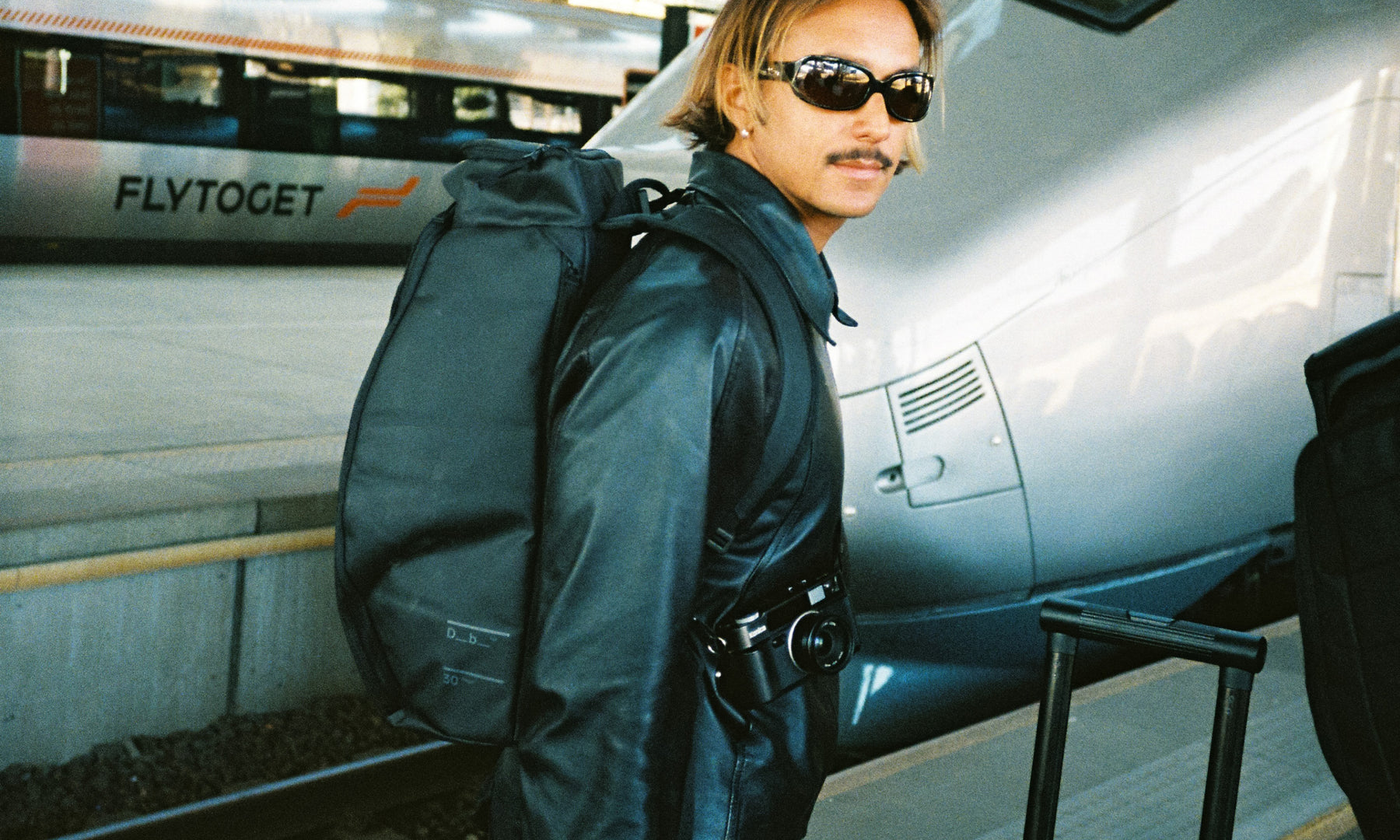
Start by Defining Your Journey.
Instead of just looking at liters, begin with purpose. What kind of trip are you planning?
Daily Use
Typical use: Commuting, errands
Suggested capacity: 15–25L
Active Days
Typical use: City exploring, short hikes
Suggested capacity: 20–35L
Overnight
Typical use: 1–3 nights away
Suggested capacity: 30–45L
Extended Travel
Typical use: Multi-day backpacking
Suggested capacity: 45L+
Your environment matters too: warm climates mean less gear, cold ones demand more layers and protection. Let context set the stage for capacity.
Everyday & Around‑Town Backpacks – Light and Versatile.
For daily life, work, café stops, and travel days when you don’t need to carry everything:
Perfect everyday picks
- Essential Backpack 12L – Minimalist and lightweight, ideal for city days or commuting with essentials only.
- Db Daypack 17L – Slightly larger without becoming bulky – great for everyday carry and travel days.
These are backpacks that blend form and function – easy to wear all day, and discreet enough for travel or city life.
All‑Day & Active Bags – Balanced Capacity and Comfort.
If your day includes walking, transit, or light adventure, you want a bag that can handle a little more without feeling cumbersome:
Great all‑day choices
- Hugger Backpack 20L – Spacious enough for layers, snacks, and essentials without weighing you down.
- Hugger Backpack 25L – A flexible option when you want a bit more storage during active days.
Features to look for here include ergonomic straps, good airflow on the back panel, and thoughtful pocket placement for quick access.
How to Choose a Travel Backpack – Ready for Longer Days.
When your backpack becomes your travel companion – carrying clothes, tech, and layers – it helps to choose something versatile and organized.
Reliable trip companions
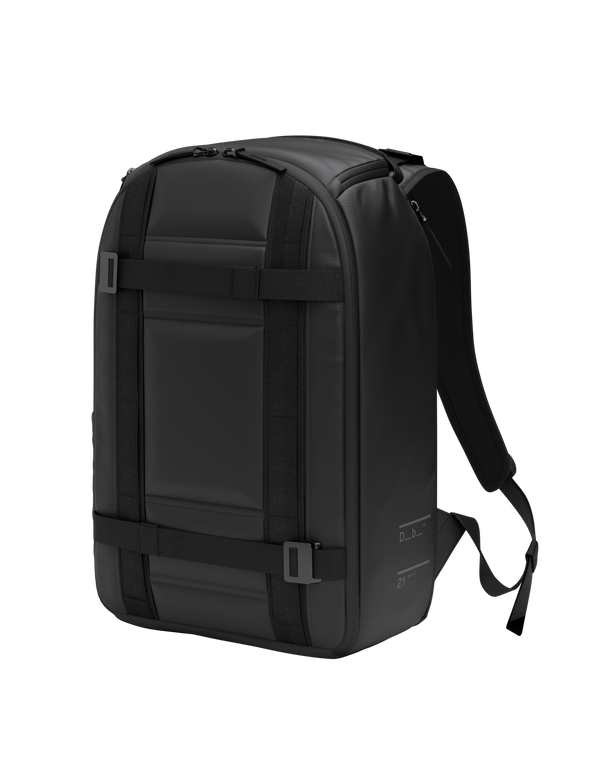
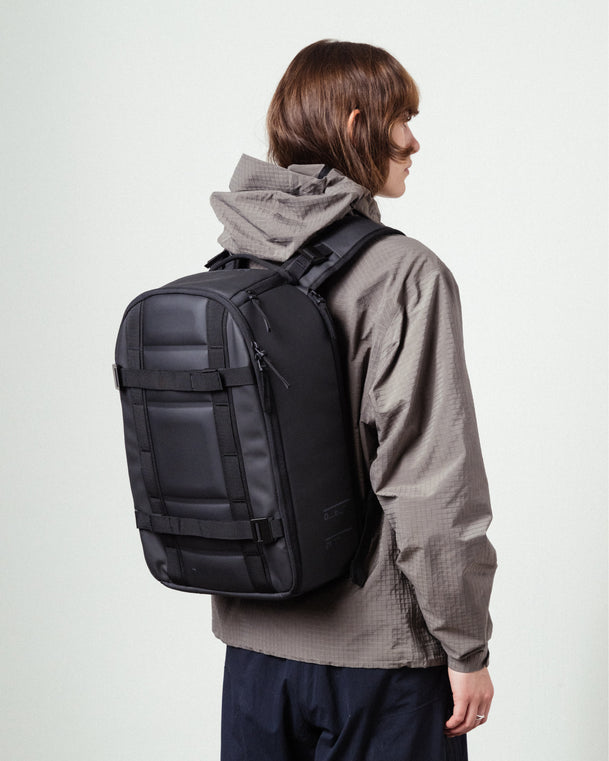
- Ramverk Backpack 26L – A solid all‑around travel backpack with balanced capacity and thoughtful organization.
- Roamer Duffel 40L – A slightly larger option with easy front access, ideal if you’re packing for planes, trains, and long days on the go.
These models strike a good balance between storage and comfort – roomy enough for travel gear but structured to carry weight efficiently.
Hybrid & Adventure Options – Flexible by Design.
There are moments when a backpack needs to be adaptable – like a duffel that transforms:
Versatile hybrid bags
- Roamer Duffel Pack 25L – A convertible solution: open the duffel for easy packing, wear it as a backpack when moving.
Hybrids are worth considering if your travel involves transitions (e.g., airport, hotel, trailhead) because they blend accessibility with capacity.
Also check out our: The Best Ski Trip Accessories to Bring on Your Next Journey
What to Look for in Any Backpack.
Accessibility.
How you reach your gear matters. Top loaders are straightforward, but side or back panel access can save time and frustration – especially when packing or unpacking on the move.
Stability & Comfort.
Your bag should feel like an extension of your body:
- Adjustable shoulder straps
- Breathable back panels
- Chest and hip straps when you carry heavier loads
These features make all the difference on longer journeys.
Organization Inside.
Good internal organization keeps items tidy – especially important when every minute counts:
- Pockets for tech and travel documents
- Hydration sleeve compatibility
- Zippered compartments for smaller essentials
Fit Comes First.
No backpack is universal. Fit matters more than capacity:
- Try backpacks with a bit of weight inside
- Adjust straps before committing
- Notice how weight transfers to shoulders, hips, and back
A well‑fitted pack feels natural, whether you’re walking city streets or forest trails.
Choose for Movement, Not Just Metrics.
Choosing a backpack is about alignment – between you, your plans, and your gear. When a backpack complements your movement rather than complicates it, every step feels easier. Think about purpose over specs. Let design and comfort guide you. And let your pack become a part of the story you’re about to write.
Pack well. Move freely. Explore boldly.
Your Questions Answered.
How to choose a hiking backpack?
Pick a bag that balances capacity, comfort, and stability. For day hikes, 20–35 L is ideal – enough for water, snacks, layers, and essentials. Look for ergonomic straps, a ventilated back panel, and chest or hip straps for weight distribution. Ifyou’replanning multi-day treks, go larger (40 L+) and prioritize durability, internal organization, and hydration compatibility.
How to choose a camping backpack?
Camping backpacks need to carry gear for overnight or extended stays while staying comfortable on uneven terrain. Capacity depends on the length of your trip: 30–45 L for 1–3 nights, 45 L+ for longer adventures. Features like multiple compartments, easy access points, and reinforced straps help keep your gear organized and your load balanced. Convertible or hybrid packs are worth considering if you’ll move between trails, campsites, and vehicles.
How to choose a backpack for school?
For school or campus life, focus on size, organization, and comfort. A 20–30 L backpack fits books, notebooks, a laptop, and daily essentials without feeling bulky. Look for padded laptop sleeves, multiple compartments for smaller items, and adjustable straps for all-day comfort. Lightweight materials and clean lines make the backpack easy to carry from class to class.