- Bestseller
€209
Items not reserved. Complete your order now to secure your gear!
Your cart is currently empty.
Designed in Scandinavia
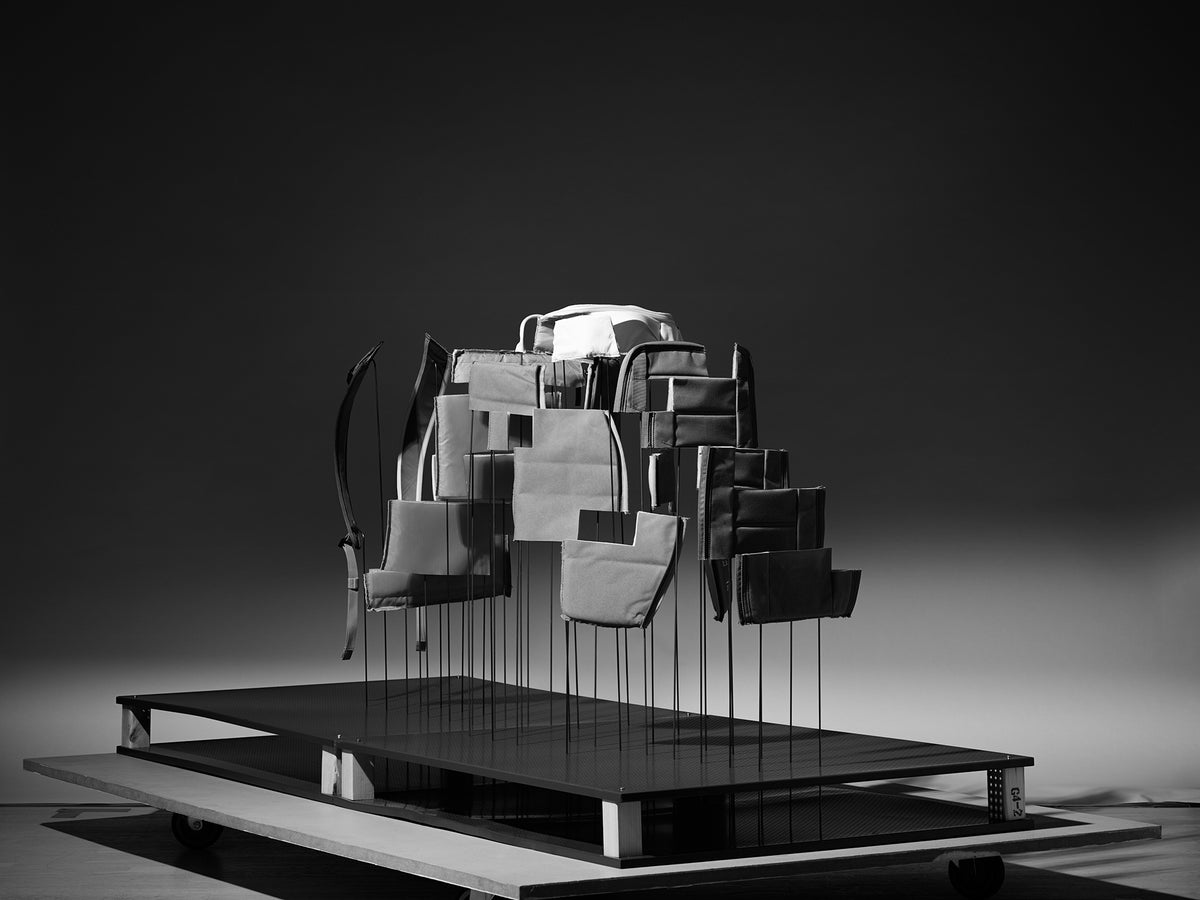
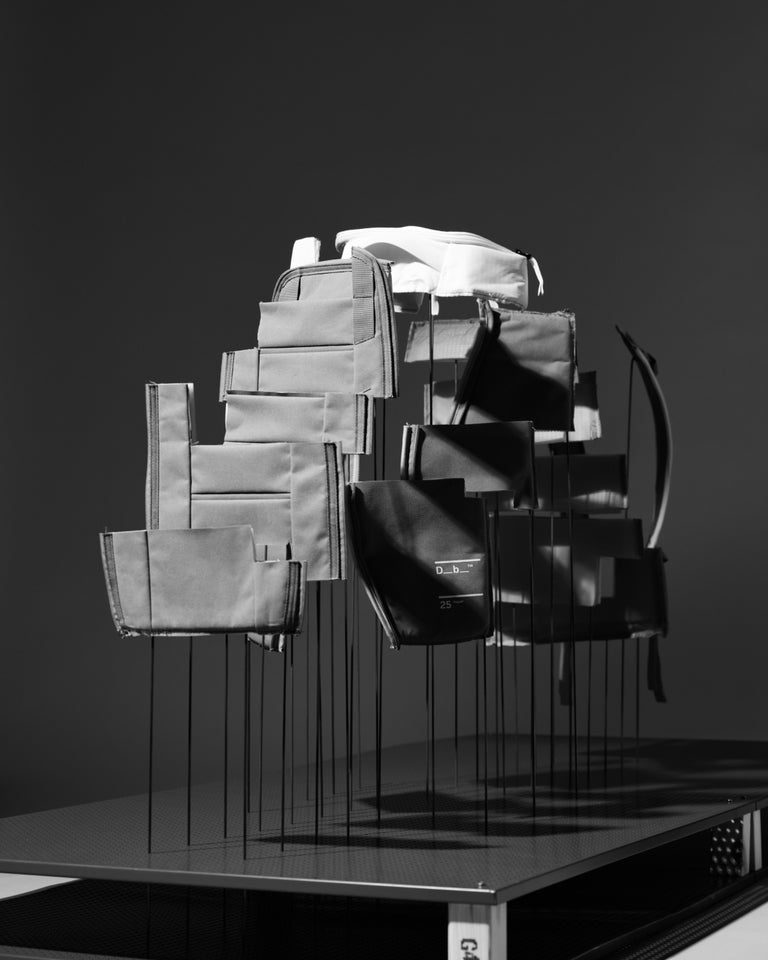
Final production happens in Vietnam and China, in a small number of factories we've worked with for years. The fabrics and components that go into them also come from Taiwan and South Korea. We publish the list.
We keep those relationships long because it's the only way to have a useful conversation about overtime, wages and planning — short-term ordering is what pushes factories into forced overtime, and that's on the brand, not the factory.
No serious human rights problems came to light in 2025 — but we'd rather be straight about what that sentence is worth. Our visibility past tier 1 is limited. We don't run our own grievance line for workers in our supply chain beyond tier 1; we rely on channels our auditors and other brands operate. And we're not yet a Fair Wear member. Living wages get negotiated factory by factory, and we're not always a significant customer in those factories.
Keep an eye on your inbox for more news and Db Black perks, and don’t forget to mark us as a safe sender so we don’t end up in your spam folder.
Join Db Black for member benefits made for frequent travellers.
Sign up now to receive
Your ExpertVoice deal.
$[Deal Price]
$[Original Price]
Discount applied at checkout.
On sale now — lower than your ExpertVoice discount.
Not eligible for ExpertVoice discount.
You’ll see your ExpertVoice discount at checkout.