


Skiing vs Snowboarding: A Beginner's Guide to Picking Your Side.

Skiing and snowboarding take you down the same mountain in two very different ways. On skis, you face forward, and each leg moves independently. On a snowboard, you stand sideways with both feet on one board. That one difference shapes everything from your first lesson to the way you ride a chairlift.
Skiing usually feels easier on day one. Snowboarding asks for more patience before it clicks. Neither is the better sport. The right one is the one you want to keep learning.
The Key Differences Between Skiing and Snowboarding.
|
What to Compare |
Skiing |
Snowboarding |
|
Stance |
Facing forward |
Standing sideways |
|
Feet |
Move on their own |
Attached to one board |
|
Steering |
Legs and edges of two skis |
Heel edge and toe edge of one board |
|
First sessions |
Easier to find basic balance |
More time spent learning edge control |
|
Next challenge |
Moving from wedge turns to parallel turns |
Linking heel-edge and toe-edge turns |
|
Gear |
Skis, bindings, poles and rigid boots |
Board, bindings and soft boots |
|
Flat terrain |
Skate or push with poles |
Unstrap one foot and push |
|
Chairlifts |
Both skis stay on |
Rear foot unstrapped |
|
Common injury area |
Knees |
Wrists |
How Skiing and Snowboarding Work.
On skis, you face your ski tips, with one ski under each foot. You turn by steering and tilting the skis. Beginners start with a wedge. That's the "pizza" shape with the tips closer together and the tails farther apart. Later you work toward parallel "french fries." Turning across the slope also helps control speed.
On a snowboard, you stand sideways with one foot leading. You steer the board and shift pressure between its heel edge and toe edge to link turns. Your balance and the shape of each turn help you manage speed.
Once the movements settle in, both feel smooth. Snowboarding locks your legs into one flowing ride. That's why it often reminds people of surfing or skating.
Not sure which foot leads on a board? Your instructor can help you test your stance. Regular means left foot forward. Goofy means right foot forward. Neither is better.
Your First Lessons Feel Very Different.
Your first ski lesson covers standing up and moving on gentle snow before stopping and turning. A wedge helps you manage speed while you build balance. Your instructor may start without poles so you can focus on your feet.
Facing forward can feel familiar. Each leg adjusts on its own. That helps many beginners find their feet early.
Snowboarding starts with a different puzzle. You learn to move with one foot strapped in before riding with both feet attached. Then you work on controlling the board on its heel edge and toe edge. Linking those movements into turns takes practice.
Catch an edge, and the snow arrives quickly. Getting back up becomes part of the session.
Leave room for that messy stage. One difficult morning tells you very little about how much you'll enjoy snowboarding once the movement starts to click.
The Learning Curve Goes Beyond Your First Turns.
The skiing vs snowboarding learning curve has no fixed timetable. Your balance and previous sports experience matter. So do the snow conditions and the instructions you get.
I'd measure progress by control. Can you stop where you intend to? Can you turn both ways and manage your speed on suitable terrain? Those milestones mean more than reaching a certain run by day three.
For snowboarders, the first linked turns can feel like a breakthrough. Moving from one edge to the other without stopping between every turn creates a rhythm. Progress may start to feel smoother once that movement becomes familiar.
Skiers face a new challenge when moving from wedge turns toward parallel turns. Using the edges with more precision takes practice. Steeper slopes and uneven snow add demands in both sports.
Skiing tends to be easier early on, while snowboarding often speeds up once turns link. Either way, give your choice time. Confidence should follow control.

The Gear You Need for Each Sport.
The clothing is the same. Waterproof jacket and pants. Warm layers. Gloves. Goggles. A helmet. The difference is what goes on your feet.
-
For skiing, you need skis with bindings, poles and ski boots. Ski boots use a rigid shell to support your feet and lower legs. That helps transfer movement to the skis. It also makes the walk from the parking lot feel like a small expedition.
- For snowboarding, you need a board with bindings and snowboard boots. The boots feel closer to sturdy winter boots. They flex more and make walking much easier.
Neither type of boot should leave you fighting pain all day. A secure fit matters more than how comfortable a boot looks on the shelf. If rental boots pinch or create pressure points, go back to the shop for an adjustment.
Lift tickets and lessons usually cost the same for both sports. Your rental package and your resort make the bigger difference.
The Mountain Feels Different on Each Setup.
The equipment changes how you get around as well as how you ride downhill.
Chairlifts. Skiers keep both skis on. Snowboarders release the rear foot to move through the lift line and unload. Both need practice. Tell the lift attendant if you need help.
Flat sections. Skiers skate or push with their poles. Snowboarders often release one foot and push. A long flat connector can test your patience before your technique.
Surface lifts. Rope tows and T-bars ask for balance in both sports. The sideways stance makes them especially awkward for new snowboarders.
Groomed runs. This is where most beginners spend their first days. Both sports can feel smooth on prepared snow once you learn to control your turns.
Powder. A snowboard gives soft snow a surf-like feel. Wide skis float too. Deep snow adds its own demands in either sport and belongs later in your learning.
Moguls. Skiers move each leg through the bumps separately. Snowboarders guide one board through the same changing terrain. Neither setup removes the need for good timing.
Spend your first trip on gentle terrain where you can repeat turns without feeling rushed.

Falls Feel Different on Skis and a Snowboard.
Knees are a common trouble spot for skiers. Wrists are a common one for snowboarders. A 2024 overview from the American Orthopaedic Society for Sports Medicine highlights this difference.
On a snowboard a fall can send you onto your hands. My advice is to ask about snowboard wrist guards and learn how to fall with an instructor. Getting back up is already enough of a workout.
On skis a twisting fall can put stress on your knees. Have the rental team fit your boots and professionally adjust your bindings. Never skip that step.
For either sport start with a properly fitted helmet and a lesson. Stay on terrain you can control. Take a break before tired legs start making decisions for you.
And don't let one good run convince you that gravity has changed its mind.
Traveling With Skis and Snowboards Takes Some Planning.
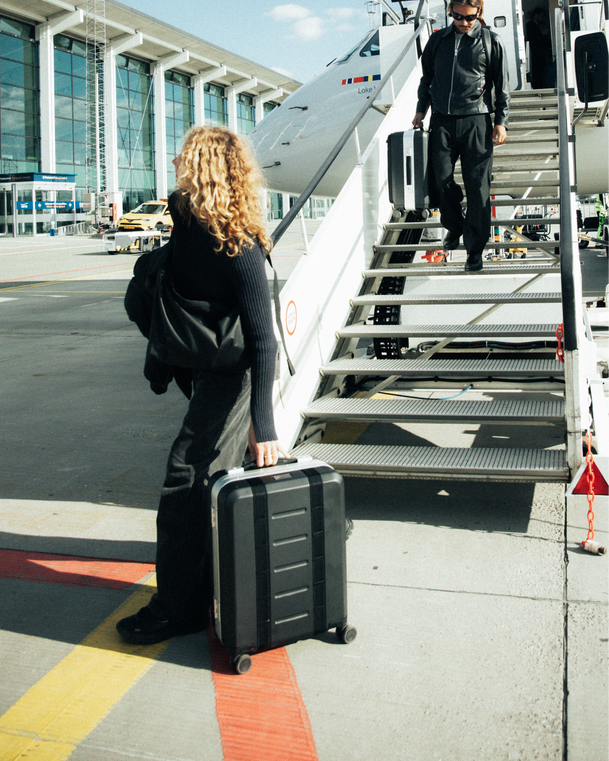
Ski gear comes in more pieces. Two skis. Two poles. Two boots. A snowboard combines your riding equipment into one board with bindings. It still takes up space in a car or at the airport.
For a first trip I recommend renting at the mountain. You can try the sport before buying a setup.
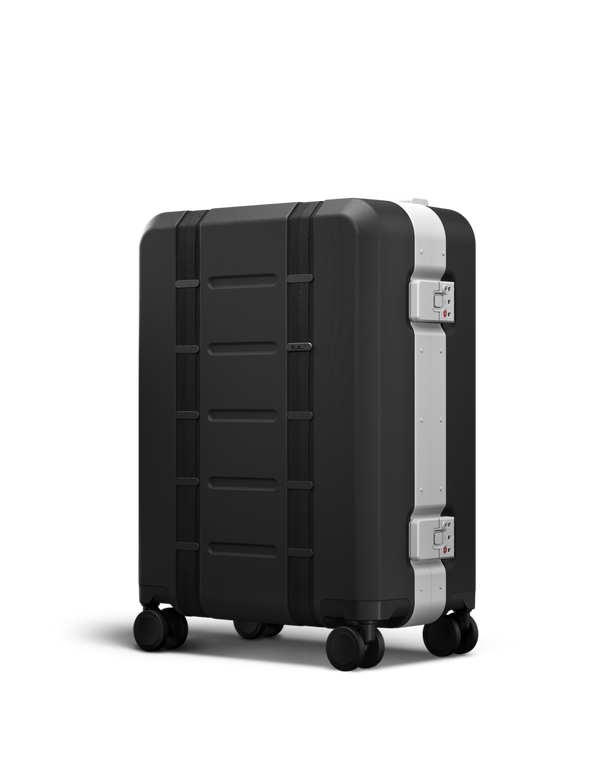
Once you're hooked your own gear needs a proper bag. Our Snow Roller Pro rolls your skis or board and boots through the airport in one piece. You can find it with the rest of our ski and snowboard bags.
Before flying, check your airline's rules for sports equipment. Confirm the weight allowance and any packing restrictions for your ticket. Space in a bag doesn’t automatically mean permission to fill it.

How to Choose Between Skiing and Snowboarding.
If you are asking "should I ski or snowboard?", think about the trip you actually have planned and the feeling you’re chasing.
Lean toward skiing if you:
-
Want a familiar stance and early control
-
Have a short first trip
-
Like the idea of moving each leg on its own
-
Ski with friends or family who already ski
Lean toward snowboarding if you:
-
Feel drawn to the sideways stance
-
Already enjoy skating or surfing
-
Are happy to work through a tough first few sessions
-
Dream about powder and the surf-like feel
Board sports experience helps with confidence. It doesn’t replace learning how edges work on snow.
In our Pack Heavy → Chase Light episode, snowboard world champion Mia Brookes shares how she started snowboarding at 18 months old. Her parents simply wanted to spend time on the hill together.
Most of us have missed that particular head start.
The part I'd borrow is the reason to go. Time outside with people you like is a solid starting point. You can build the turns from there.
Five Things I'd Do on My First Day.
If I were starting tomorrow, this is exactly how I'd set up day one.
-
Take a Lesson.
I'd book instruction for the sport I choose. A friend who rides well isn't automatically a good teacher. Tell your instructor that you're new and let them choose suitable terrain.
-
Rent Before Buying a Full Setup.
Start with equipment fitted for your size and ability. Ask the rental team to explain how it works. You'll make a better buying decision once you know what you enjoy.
-
Dress for Time on the Snow.
Wear waterproof outerwear and layers you can adjust. Beginners spend time standing still and getting back up. Staying warm makes it easier to focus.
-
Practice Stopping Before Chasing Speed.
I'd repeat the basics until I could manage my speed and direction. Ask your instructor when you're ready to move on. The easiest run your friends enjoy may still be too much for day one.
-
Finish Before You're Exhausted.
Take breaks and stop when you're tired. One more run is rarely worth losing control because your legs have had enough.
My goal for day one is simple: finish it wanting a day two.
Find Your Reason to Come Back.
I’d choose skiing for a familiar first step. I'd choose snowboarding if the sideways ride is what keeps catching my eye.
Give your choice a few sessions. Take the lesson. Get comfortable on gentle snow. Leave enough energy to enjoy the next day.
Need a place to start? These U.S. ski resorts for beginners pair gentle terrain with ski and snowboard schools.
The best result is finding a way down that makes you want another trip.
Your Questions Answered.
Is it easier to ski or snowboard?
Skiing is easier at first because you face forward and move each leg on its own. Snowboarding takes more patience as you learn balance and edge control. Many snowboarders then progress quickly once they link their turns.
Is skiing or snowboarding better for beginners?
Skiing suits beginners who want early control on a short trip. Snowboarding suits beginners who accept a tougher start and love the sideways feel. Both are great first sports with a good lesson.
How long does it take to learn skiing or snowboarding?
There is no fixed number of days for everyone. Your first lessons focus on basic movement and control. Riding on your own in changing conditions takes longer. Use your ability to stop and turn every time as a benchmark rather than a deadline.
Is skiing or snowboarding more tiring for beginners?
Both can be tiring. Beginner skiers feel their thighs working hard while holding a wedge. Snowboarders use extra energy getting up after falls.
Can you switch from skiing to snowboarding?
Yes. Knowing the lifts and mountain conditions helps when you switch. The movement still changes. Skiers need to learn a sideways stance with both feet on one board. Snowboarders need to manage two skis on their own. A beginner lesson is useful in either direction.